POK internet shutdown crosses 100 days despite formation of new government
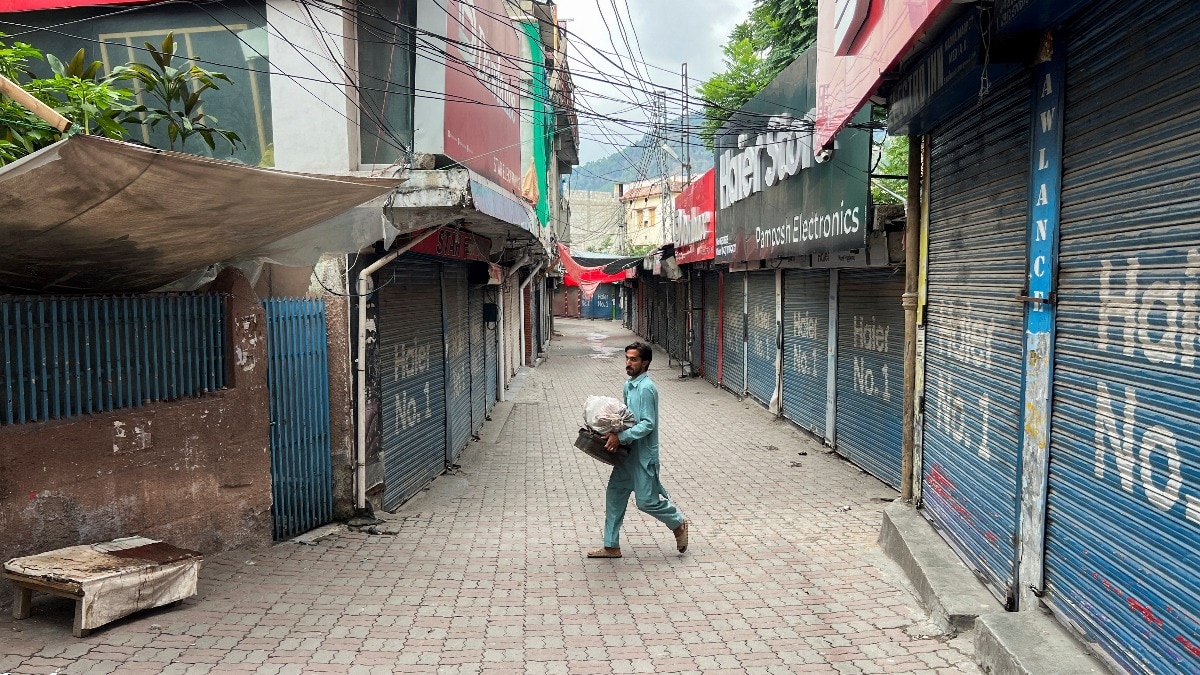
Internet access in Pakistan-occupied Kashmir has remained severely restricted for more than 100 days, with mobile data and broadband services still disrupted despite the formation of a new government following weeks of protests and phased elections.
Al Jazeera reported, citing NetBlocks, an independent organisation that monitors internet access and digital disruptions, that the partial internet shutdown began on June 5. More than three months later, residents continue to face difficulties accessing websites and apps, including platforms used for online banking.
The prolonged blackout has affected everyday life as well as commercial activity across the territory. Students have also been hit, with disruptions to the academic calendar prompting authorities to postpone entrance examinations. The restrictions began after authorities moved against a protest movement demanding electoral reforms and changes to the political system in Pakistan-occupied Kashmir.PROTESTS, INTERNET BLACKOUT AND CRACKDOWN
The unrest intensified ahead of local elections that were originally scheduled for July 27.
At the centre of the protests was the Jammu Kashmir Joint Awami Action Committee (JKJAAC), a grassroots umbrella organisation that had demanded, among other changes, the removal of 12 reserved legislative seats allocated to refugees from Kashmir who live elsewhere in Pakistan after migrating from India.
Authorities banned the JKJAAC on June 5, the same day the internet shutdown was imposed. The crackdown on demonstrations later turned violent, with deadly clashes reported on July 27.
Residents and local estimates have put the death toll at more than 50, including seven law enforcement personnel. However, the JKJAAC has claimed that 89 civilians were killed during the massive rights protests and subsequent security crackdowns in Pakistan-occupied Kashmir between June 5 and August 5, 2026. The figures, however, could not be independently verified.
The election itself unfolded under the shadow of violence. The JAAC called for a boycott, while clashes, allegations of rigging and attempts to disrupt polling were reported during the first phase on July 27. Ballot boxes were looted and set on fire in Bhimber, while voting was suspended at several polling stations in Kotli and Bhimber.
The situation was even more volatile in Poonch, the main stronghold of the protest movement. Authorities split the election into three phases over security concerns, with voting scheduled for July 27, August 2 and August 10. By the final phase, only four of the 11 constituencies originally scheduled to vote went to the polls, while voting in the remaining seven was postponed because of unrest.
Despite the continuing protests and boycott calls, a government was eventually formed based on the results from areas where voting took place.NEW GOVERNMENT FORMED AMID CONTINUING PROTESTS
Lawmakers in Pakistan-occupied Kashmir elected Syed Iftikhar Ali Gillani as Prime Minister after he secured 30 of the 44 votes cast in the legislative assembly, according to election officials and regional authorities.
Gillani, a member of Pakistan's ruling Pakistan Muslim League-Nawaz, defeated Mukhtar Ahmed Abbasi of the Pakistan Peoples Party, who received 14 votes. His election marked the PML-N's return to power in the territory after a decade. Prime Minister Shehbaz Sharif congratulated Gillani on his election.
The result followed legislative elections in which candidates backed by the party of former Pakistan Prime Minister Nawaz Sharif secured a commanding lead. The elections were held in stages because of security concerns and came amid a boycott campaign by the banned JKJAAC.
The group has continued to hold rallies despite being outlawed by the regional government, which cited security and public-order concerns.
India's position on Pakistan-occupied Kashmir has remained unequivocal: the entire Union Territories of Jammu and Kashmir and Ladakh, including the areas under Pakistan's illegal occupation, are an integral and inalienable part of India. New Delhi has consistently rejected any attempt to legitimise Pakistan's control over these territories, maintaining that their occupation is the result of an illegal act and cannot alter India's territorial claims.
The continued political and security turmoil in POK also raises questions about the nature of governance there. The recent protests, internet restrictions, violence and disruptions to the electoral process have brought renewed attention to the grievances of local residents.- EndsPublished By: Satyam SinghPublished On: Sep 15, 2026 18:11 IST