
Prosecutors in France probe secret filming of women with smart glasses
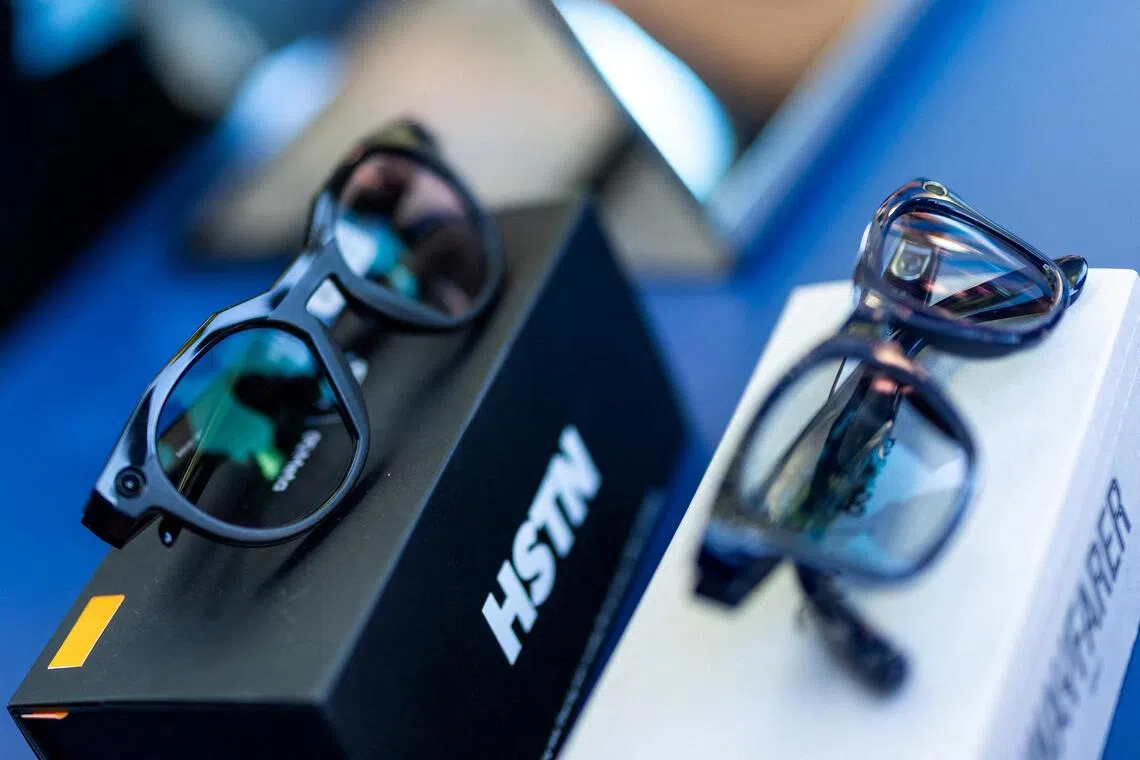
People wearing smart glasses can take photos, film videos, listen to music, make phone calls, translate text or interact with an AI assistant.
PARIS - Paris prosecutors said on Sept 22 they had opened several probes after receiving complaints concerning women filmed on the street without their consent using smart glasses.
Anyone wearing smart glasses can take photos, film videos, listen to music, make phone calls, translate text or interact with an AI assistant.
Meta’s smart spectacles, developed in partnership with Ray-Ban maker EssilorLuxottica, have become a commercial success.
Meta sold seven million pairs in 2025.
Other companies, including Google and Snap, are also preparing to roll out AI-powered glasses.
Calls have grown in Europe for action against what campaigners call “pervert” smart glasses after secretly filmed footage of girls and women has appeared online, with a petition in Britain demanding a ban on their sale.
In France, the e-Enfance association, which operates the national hotline for victims of online abuse, earlier this month sounded the alarm about videos recorded with camera-equipped glasses and shared online.
The Paris public prosecutor’s office said on Sept 22 it had received “complaints relating to violations of privacy linked to the use of smart glasses”.
Prosecutors did not say which brands were involved.
Prosecutors pointed to a “growing trend on social media involving women being filmed on the street with smart glasses without their consent and the videos being published online”.
Under French law, such an offence is punishable by up to two years in prison and a €45,000 (S$65,000) fine.
Prosecutors said that in some cases investigations had also been opened for sexual assault when “the acts are accompanied by non-consensual sexual contact”.
The Paris prosecutor’s office said its cybercrime division “tested smart glasses in September in order to identify the commission of other cybercrime-related offences”.
Such offences could include the theft of a cryptocurrency wallet’s recovery phrase, enabling criminals to steal the funds.
The e-Enfance group said it had received around 20 reports from women as of Sept 8, most involving Meta glasses.
“We need to strengthen oversight of these devices from the design stage,” said the association’s Veronique Bechu.
“And when creators make a business model out of humiliating strangers, platforms must adopt a zero-tolerance approach and suspend repeat offenders,” she added.
According to the association, the cases reported to its hotline tended to follow a recurring pattern: a content creator approaches a young woman or girl in a public place and discreetly films her using smart glasses.
The aim is to “provoke a reaction, make her uncomfortable or place her in an embarrassing situation” before sharing the footage on social media, mainly TikTok.
Those filmed often become the target of ridicule, misogynistic insults and even threats, the association said, citing the case of a teenage girl filmed in Paris during an annual French street music festival.
After approaching her, a man wearing Meta smart glasses filmed her and posted the video on TikTok, Instagram and X, where it went viral. The teenager subsequently received “hateful comments and death threats”.
Meta has said it has taken multiple steps to prevent tampering with a blinking LED light on its glasses designed to indicate when recording is taking place. AFP

