Punjab power crisis deepens as 14-hour cuts hit factories, farms
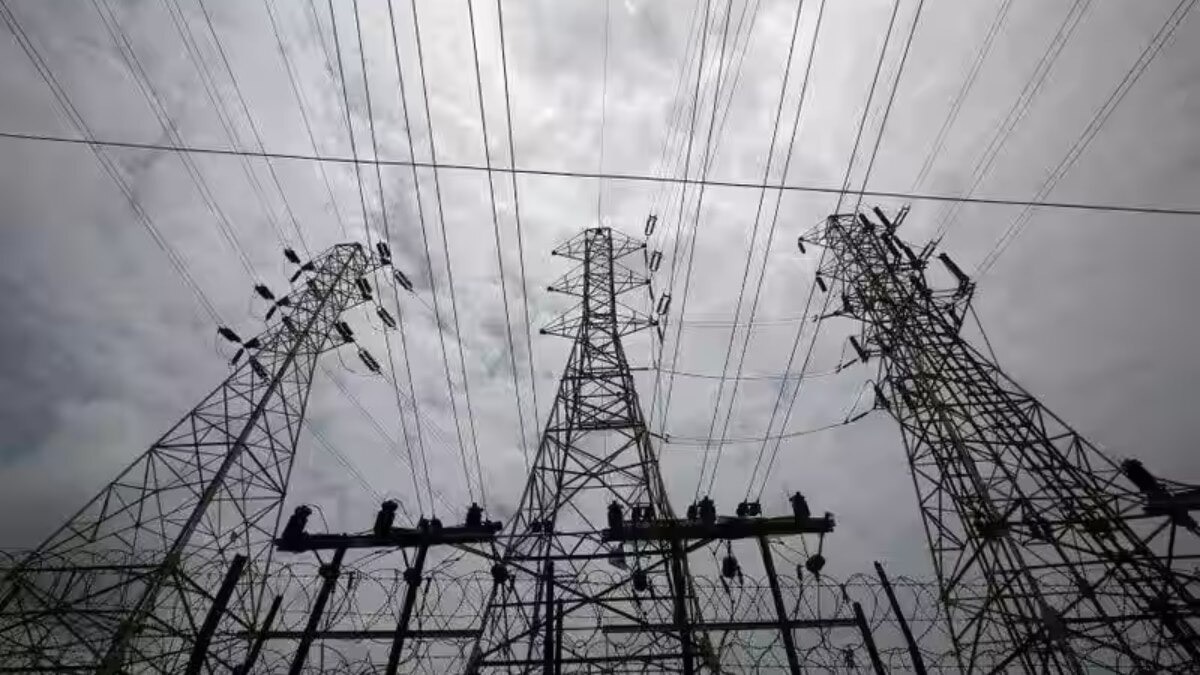
Punjab is in the grip of a severe power crisis, with electricity cuts stretching to as long as 12 to 14 hours in parts of the state as soaring demand, low coal stocks and outages at key power plants squeeze supply across industry, agriculture and homes.
What began as four-hour scheduled cuts for industrial consumers last week has now escalated sharply. Category 2 and 3 industrial units in Ludhiana, Jalandhar, Amritsar, Mohali, Rajpura and other areas saw their power supply disconnected from around 4:30 pm on Saturday and restored only at 6 am on Sunday.
Domestic consumers, meanwhile, are reporting unscheduled power cuts lasting four to five hours a day.
The crisis comes as Punjab's peak power demand has surged. The state's peak load touched 16,519 MW on Saturday, after reaching 16,619 MW a day earlier, compared with 12,489 MW during the same period last year.
Power generation has been hit by coal shortages and technical problems at several plants. One 700 MW unit at the private Nabha Power plant in Rajpura and one 660 MW unit at Talwandi Sabo are currently offline.
Along with other thermal and hydel units that are out of service, nearly 1,915 MW of generation capacity is currently unavailable.
Punjab State Power Corporation Limited's own generation is around 4,162 to 4,300 MW, forcing the state to draw more than 11,000 MW from the northern grid.
Coal stocks at some private plants are also critically low. Supply remains under pressure at Rajpura and Talwandi Sabo, with stocks well below the recommended 20-day buffer.
Government plants at Lehra Mohabbat, Goindwal and Ropar have relatively better coal stocks.
Punjab Power Minister Tarunpreet Singh Sondh has linked the situation to the wider national coal shortage, saying several private power plants across India are operating at around half their capacity with only three to four days of coal stock.
Sondh said the Nabha and Talwandi Sabo plants depend on central coal allocation and that technical problems at private units are being addressed. Teams are working to bring two units back online within 24 to 48 hours, he said.
The minister also claimed that the state's own power plants are running at full capacity. He said Punjab had written to the Union Power Minister seeking the state's rightful share of central power, with around 1,000 MW currently unavailable.FACTORIES FALL INTO DARKNESS
The prolonged outages are hitting Punjab's industrial sector hard, with manufacturers saying production has come to a halt in several areas and forcing them to depend on expensive diesel generators.
In Mohali's industrial area, metal units that require uninterrupted high-load power have been left without electricity, with workers sitting idle and production affected.
Dilpreet Singh, General Secretary of the Mohali Industry Association, said his metal unit, which supplies tractor factories, was struggling to meet delivery schedules.
“The situation is getting worse. There are scheduled cuts of four to five hours plus endless unscheduled interruptions. The factory is in complete darkness,” he said.
Jaswinder Singh of Ameya Industry said running a generator consumes around 10 litres of diesel an hour, adding significantly to operating costs while also affecting production and order fulfilment.
The disruption has also spilled onto the streets.
In Jalandhar's industrial area, people frustrated by power cuts lasting 10 to 11 hours blocked traffic at Sodal Chowk around 11:30 pm. Protesters raised slogans against the Punjab government and PSPCL.
One protester said continuous cuts of 10 to 11 hours were being imposed, while another said scheduled cuts were taking place from 7 pm to midnight.PADDY CROPS UNDER PRESSURE IN MOGA
The power crisis is also putting Punjab's agriculture sector under strain, particularly in Moga where paddy crops are in urgent need of irrigation.
Farmer unions staged protests at several locations on Saturday, blocking key roads and highways. Demonstrations were held at Baghapurana main chowk, Nihal Singh Wala main chowk, near the power grid on the Ferozepur-Ludhiana road in Ajitwal, outside the power grid in Kadyal in Dharamkot and on the Moga-Kotkapura road near Samalsar.
Farmers said they were promised eight hours of continuous electricity for agricultural use, but supply has instead remained irregular and in some cases lasted barely an hour.
Canal water arrangements are also inadequate in several villages, according to the farmers.
Farmers from villages including Singhawala, Tarewala and Nahalkhote said their paddy crops were on the verge of drying up.
Jagdeep Singh, who has 11 acres under paddy, said neither timely electricity nor canal water was available.
Kewal Singh, who farms 20 acres, said each acre had cost around Rs 25,000 for transplanting, apart from Rs 80,000 in rent. Without adequate water, he said, the entire investment was at risk.
Small farmers Gurpreet Singh and Baljit Singh, who have three to four acres each, said their crops were wilting.
Iqbal Singh of the Bharatiya Kisan Union (Ekta Ugrahan) accused the government of making false claims about eight-hour power supply and canal water. He warned that the agitation would intensify if the situation was not resolved soon.
Farmers had also protested a day earlier in Moga and Ajitwal after officials promised a solution within two days. They said that assurance had not materialised and that they would now continue their sit-in indefinitely.advertisementGOVERNMENT BLAMES COAL SHORTAGESondh has pointed to the national coal shortage as one of the main reasons behind the power crisis.
He said private plants in several parts of the country were running at around half capacity because of inadequate coal stocks. According to him, the Nabha and Talwandi Sabo plants rely on coal allocated by the Centre.
He also said technical faults at private plants were being addressed and teams were working to restore two units within 24 to 48 hours.
The state government has sought additional central power, with Sondh saying Punjab is currently missing around 1,000 MW from its rightful central share.
AAP Punjab chief Aman Arora also acknowledged that there was a power issue but defended the Mann government's record, saying it had provided uninterrupted electricity for four-and-a-half years earlier.
Arora blamed inadequate coal supply from the Centre and said state officials had met representatives of the Union government, but the meetings had not yielded much result.OPPOSITION ATTACKS MANN GOVERNMENT
The power crisis has triggered sharp political reactions in Punjab, with opposition parties targeting the AAP government over the prolonged outages.
BJP leaders, including Anil Sarin, criticised the AAP government's model and questioned the power cuts despite claims of adequate coal reserves at some plants.
Shiromani Akali Dal leader Sukhbir Singh Badal also attacked the Bhagwant Mann government over the crisis.
“Bhagwant Mann must tell Punjab: Where is the 12-hour agriculture power supply he claimed?” Badal said.
Congress leaders Gurmeet Rana Sodhi and Raj Kumar Verka accused the AAP government of pushing Punjab into darkness.
Jai Inder Kaur of the BJP Mahila Morcha also raised concerns over the severity of the crisis and the unrest triggered by the outages.
With peak demand now significantly higher than last year, generation capacity constrained by plant outages and coal stocks under pressure at key private plants, the electricity shortage is being felt across Punjab.
Factories are losing production and orders, farmers are watching paddy fields struggle for water, residents are enduring long blackouts and businesses are turning to costly diesel generators.
For farmers in Moga, the demand is now clear: they say they will not lift their indefinite protests until continuous eight-hour electricity supply for agriculture is restored.
The crisis comes as Punjab heads towards high-stakes elections, adding another challenge for the AAP government. While the state government has blamed the Centre for inadequate coal supplies and its unavailable share of central power, the prolonged outages have left industry, agriculture and ordinary consumers bearing the immediate cost.- EndsPublished By: Sonali VermaPublished On: Sep 12, 2026 23:53 IST