R6.3bn allegedly moved offshore through spaza shops amid terror funding concerns - IOL
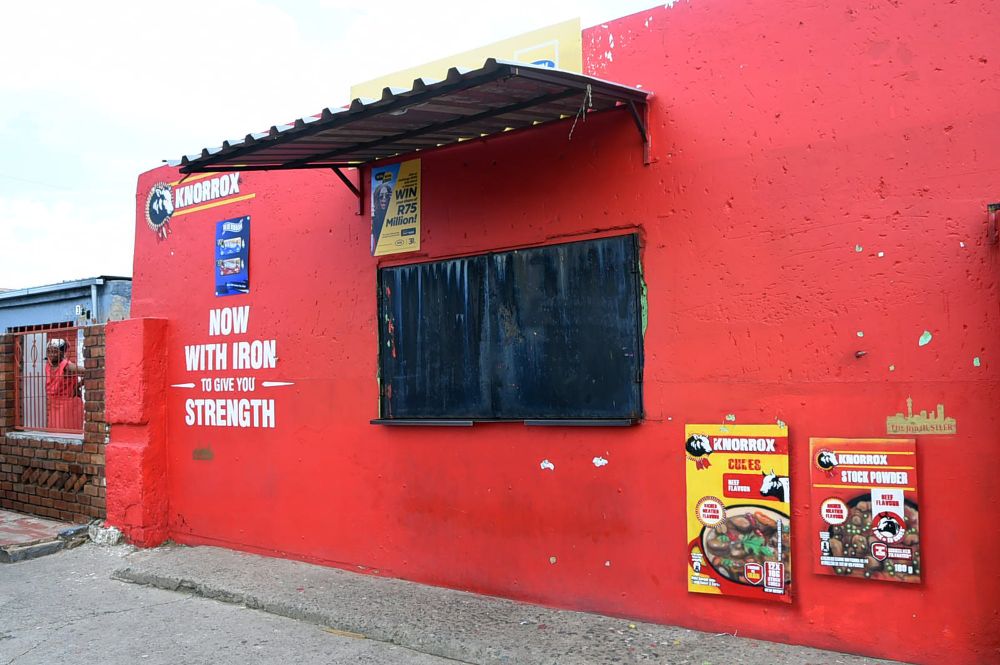
The Department of Small Business Development says applications flagged with discrepancies were rejected before any money was paid out.
Billions of rand generated through informal businesses, including spaza shops, may be moving out of South Africa through unregistered financial channels, according to a new report examining migrant communities and the informal economy in Tshwane.
The report, titled The Nature of Stealthy Remittance in South Africa (Insights from SADC immigrants operating in Tshwane’s informal economy), estimates that about R6.3 billion generated by foreign-owned spaza shops was moved illegally out of the country.
It says the money was transferred through mechanisms including unregistered SIM cards and informal cash networks.
According to the report, such unmonitored flows contributed to weaknesses in South Africa’s systems for detecting money laundering and terrorist financing, which were among the concerns that resulted in the country being placed on the Financial Action Task Force (FATF) grey list.
The report further alleges that funds moved through such networks reached terrorist cells, including Islamic State (IS) affiliates, operating in Kenya, Somalia, Nigeria and Mozambique.
Official government data shows that roughly 87 000 spaza shops were recently registered nationwide, of which approximately 32 824, or about 38%, are owned by non-South African citizens.
However, the report noted that regional estimates and informal-sector figures suggest foreign nationals operate a significantly higher proportion of unregistered or informal township stores, with estimates ranging from 50% to more than 70%.
The study said remittances through informal channels often take place outside the formal financial system, potentially leaving transactions unrecorded and untaxed in both the host country and the country receiving the money.
“Consequently, tax authorities and financial regulators face considerable difficulties in tracking financial flows, assessing their economic impact and ensuring compliance with relevant fiscal and financial regulations,” read the report.
It also warned that informal social networks, digital communication platforms and community-based remittance systems had created alternative financial ecosystems operating alongside formal banking institutions.
According to the report, these networks can facilitate the movement of money while reducing the visibility of transactions to regulators including the South African Revenue Service (SARS), the South African Reserve Bank (SARB) and other financial oversight bodies.
Parliamentary committees, including the Standing Committee on Finance, have previously raised concerns about billions of rand allegedly leaving the country through unmonitored channels, including cash generated by informal traders such as spaza shop owners.
MPs have argued that untaxed and illegal outflows deprive the national fiscus of revenue that could otherwise be used to fund public services.
SARS is targeting the estimated R200 billion spaza shop sector as part of efforts to broaden the country's tax base. While political and public pressure has focused particularly on foreign-owned outlets amid concerns about tax and other compliance failures, SARS has said its enforcement does not distinguish between businesses based on nationality.
Instead, the revenue service faces broader structural challenges in bringing South Africa’s informal economy into the formal tax system.
Government data indicates that only about 30% of spaza shops are registered taxpayers, leaving an estimated 70% outside the formal tax net.
Many spaza shops operate predominantly with cash and rely on informal or fragmented supply chains. The limited use of point-of-sale systems and formal invoicing can make it difficult for SARS investigators to establish an electronic or documentary audit trail.
Financial investigation consultant Emerald van Zyl also raised concerns about the role of banks in illicit financial activity and alleged that some had supported terrorist groups.
Van Zyl said the issue had its roots in developments following the release of political leaders from Robben Island in 1990.
“Many individuals advanced to positions as Cabinet ministers or bank directors, creating a conflict of interest that prevented them from holding banks accountable and ultimately led to the failure of consumer protection in South Africa,” he said.
The 2025 SARB report, Money Laundering, Terrorist Financing and Proliferation Financing Sector Risk Assessment for the South African Banking Sector, found that the country's banking sector faced high inherent risks relating to money laundering, terrorist financing and proliferation financing, particularly among larger domestic institutions.
According to the report, these offences generate some of the largest, most recurrent and most deeply embedded criminal proceeds within South Africa's banking system. The assessment drew on suspicious transaction reports, suspicious activity reporting patterns, supervisory intelligence and case outcomes.
SARB, through its Prudential Authority (PA), last week announced a R28 million administrative penalty against Capitec Bank for non-compliance with the Financial Intelligence Centre Act (FICA).
The penalty followed regulatory inspections conducted in 2023.
The action followed a larger R56.25 million administrative sanction imposed in December 2024, of which R35 million was suspended.
That penalty related to FICA violations identified during retail and business banking inspections covering 2021 and 2022. The inspections identified issues including delays in cash threshold reporting, inadequate documentation relating to sources of funds and shortcomings in risk management programmes.
The regulatory penalties formed part of wider efforts to strengthen South Africa's financial controls following the country's placement on the global financial watchdog's grey list. South Africa exited the grey list in October 2025.
The SARB report said the banking sector served approximately 80.2 million clients at the end of 2024.
It also noted that undocumented foreign nationals reportedly use informal financial mechanisms and, in some cases, access transactional services through proxy arrangements or other unverified means.
SARB analysis of transaction trends found that local bank accounts were primarily receiving illicit proceeds through money remittances, SWIFT transfers, electronic funds transfers (EFTs) and cash deposits.
The report also referred to sanctions against domestic bank Sasfin during the review period. The penalties related to FICA non-compliance within its foreign exchange division.
Following those compliance failures, SARS instituted legal proceedings against Sasfin, filing a civil damages claim of approximately R4.87 billion.
The case arose from a SARS investigation which found that former foreign exchange clients had allegedly formed a syndicate and colluded with corrupt bank employees to unlawfully move funds offshore while obscuring the audit trail to avoid tax collection.
The Financial Intelligence Centre's (FIC) 2022 report similarly identified South Africa as facing significant terrorism-financing risks, noting that as much as 70% of cross-border remittances in the region move through informal, cash-based channels outside the formal banking system.
South Africa is home to sizeable diaspora communities from countries associated with terrorism-related risks, including Somalia, Kenya, Nigeria and Mozambique.
“Financial transactions within these communities rely predominantly on cash. Unregulated, alternative remittance networks like hawala and mobile money are highly favoured by low-income groups,” the report said.
It added: “Cash transmitted in this manner may be carried directly to a particular conflict country, or more likely, to neighbouring countries where it can be carried overland across further borders.”
The FIC said cash moved across borders outside the formal banking sector was difficult to detect and confiscate, while distinguishing legitimate alternative remittance activity from the channelling of illicit funds remained a significant challenge.
“A significant challenge is to distinguish the alternate remittance systems used for channelling funds by the vast émigré community in South Africa, as these systems are unregistered, unregulated and operate outside the formal banking sector,” the report said.
The Department of Small Business Development says applications flagged with discrepancies were rejected before any money was paid out.