R9.5m Ferrari linked to Hangwani Maumela could be sold after court ruling - IOL
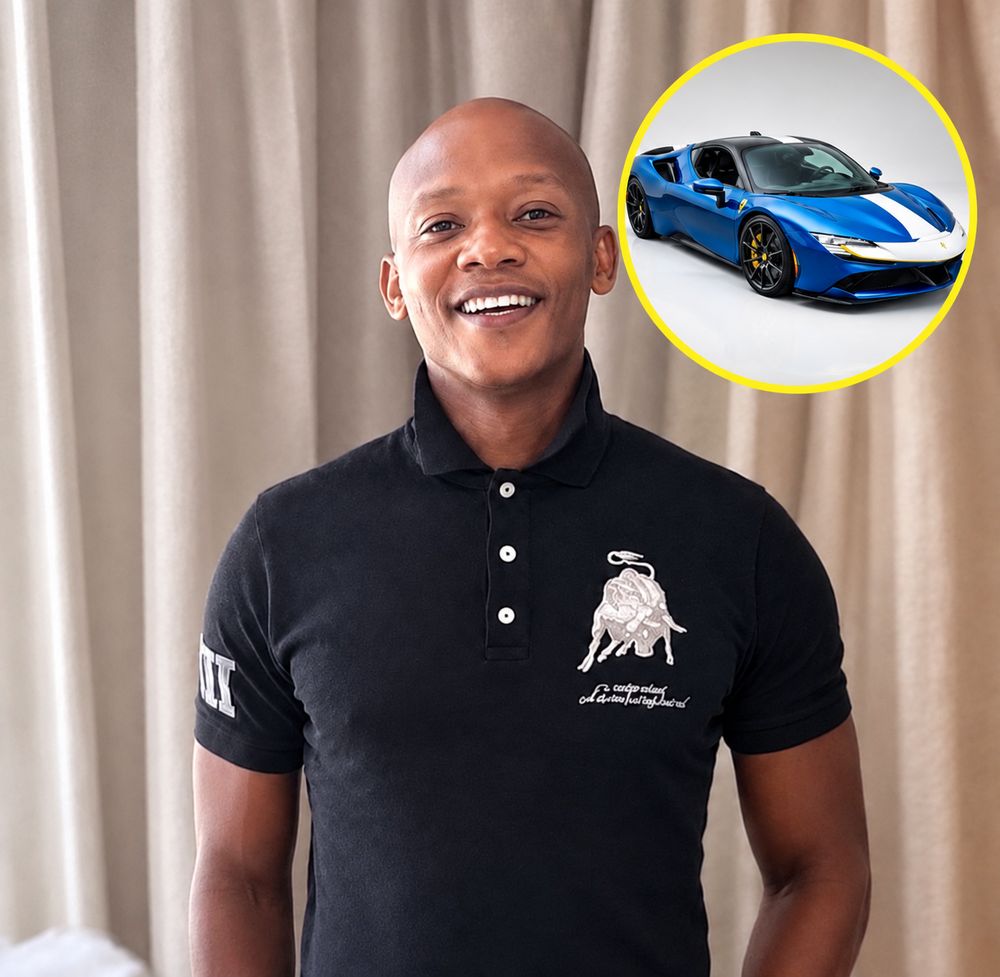
Hangwani Maumela. INSET: The Ferrari SF90 Stradale linked to Maumela
A R9.5m Ferrari could soon go under the hammer after a family trust linked to Hangwani Maumela failed in its bid to keep the car from being sold.
The Ferrari was frozen as part of the Special Investigating Unit's probe into alleged R2bn looting at Thembisa Hospital.
Acting judge SG Maritz dismissed the trust's urgent application in the Pretoria High Court last week Friday, after finding that the trust had given conflicting accounts of who owned the car and had shown no right to stop the sale.
"This judgment is a significant affirmation of the preservation and civil recovery mechanisms available to the SIU through the Special Tribunal to prevent the dissipation of assets that are the subject of corruption investigations and related civil proceedings," the SIU said in a statement on Monday.
"The SIU remains committed to investigating serious allegations of corruption and maladministration, recovering losses suffered by the state, and ensuring that assets linked to unlawful conduct are preserved in the public interest."
The SIU said it had referred evidence of possible criminal conduct uncovered in its investigation to the National Prosecuting Authority.
The Ferrari SF90 Stradale is one of several luxury cars preserved under a Special Tribunal order granted in September 2025.
On August 13 the tribunal authorised curator Jacobus Gideon Louw van Wyk to sell the car for no less than R9.5m and bank the money in an interest-bearing trust account until the main case is finalised.
Van Wyk argued that storage, insurance and maintenance costs were eating into the value of the preserved assets.
The judgment put insurance and storage at about R100,000 a year and R5,000 a month, with a further R408,000 needed to reinstate the warranty.
The Maumela side, which the tribunal called the "Maumela Syndicate", opposed the sale and argued that the Ferrari would gain value.
Van Wyk sold the car to Scuderia South Africa for R9.6m on August 18, but put the deal on hold the next day after the trust lodged an appeal.
The trust then turned to the High Court, arguing that the appeal had automatically suspended the sale order.
Maritz found that the order was interim and only regulated how preserved property was managed, so the appeal did not suspend it.
The judge set out at least five different versions of who owned the Ferrari.
The trust told the tribunal it was the owner, while Maumela said in the same court papers that the SIU had confirmed on oath that he owned it.
Drive Time Auto CC was the registered owner when the car was frozen, and the Maumela side later claimed the company had lent the trust R7.8m against it, which Drive Time denied three times.
A bank notification showed that a third company, More Concerts (Pty) Ltd, paid the R11.1m balance of the purchase price to Scuderia.
The curator's attorneys recorded that Maumela told police that the transfer of the car into the trust's name was fraudulent, and the trust did not deny this.
"Its deponent attributed ownership to the trust and to himself, told the police that the trust's registration was fraudulent, told the tribunal that the vehicle was registered in another's name as security, and suggested that yet another entity paid the price," Maritz said.
"The applicant has not attempted to reconcile these versions."
Maritz made no finding on who owned the car.
He found that the appeal had no reasonable prospects of success and that the trust would suffer no irreparable harm, because the money from the sale would sit in the trust account earning interest.
"Nor are there exceptional circumstances," Maritz said.
"Selling a valuable, preserved asset pending an appeal is not out of the ordinary."
Van Wyk had agreed not to sell the car before 4pm on Wednesday, but refused to extend that deadline.
The trustees of the MHR Maumela Family Trust were ordered to pay the costs, though Maritz turned down the curator's request for punitive costs and for the trustees to pay out of their own pockets.