Rand strengthens as US election result weakens dollar - IOL
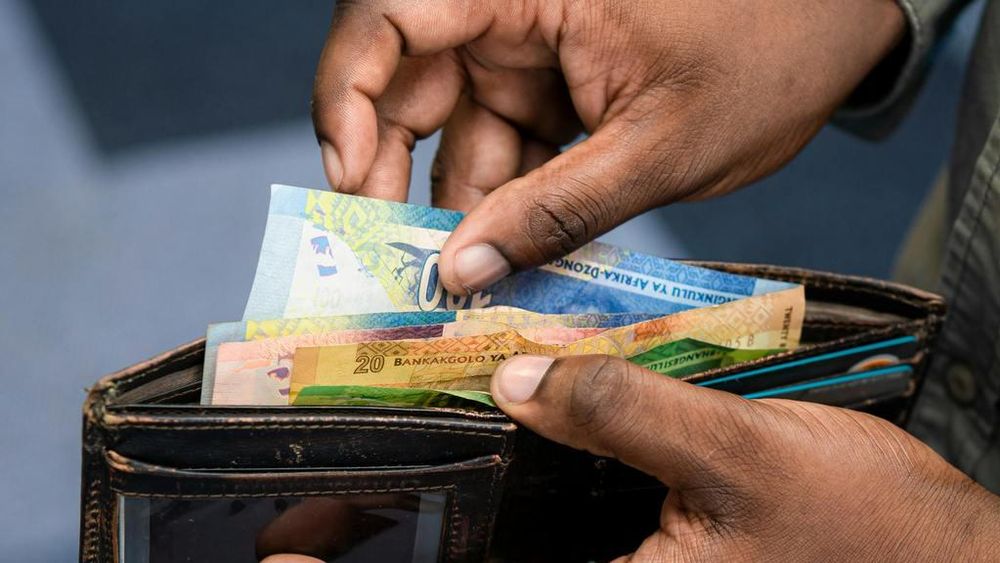
The local currency traded at R16.39 to the dollar mid-morning, compared with R16.65 on Tuesday.
The rand strengthened to a two-week high against the dollar on Thursday, supported by a weaker US dollar, firmer precious metals prices and improved risk appetite in emerging markets, analysts said, following a stronger-than-expected Democratic victory in the US midterm elections.
The local currency traded at R16.39 to the dollar mid-morning, compared with R16.65 on Tuesday, having traded at R16.45 on Wednesday during South Africa’s municipal elections. TreasuryONE put the rand at around R16.35, its strongest level in two weeks.
Andre Cilliers, currency strategist at TreasuryONE, says the US election result exceeded market expectations, putting the dollar under pressure as investors anticipated greater political gridlock in Washington over the remainder of President Donald Trump’s term.
The result could constrain the administration’s fiscal agenda, while raising the prospect of renewed disputes over government funding and the debt ceiling. Markets tend to read this combination as modestly negative for the dollar, Cilliers says.
Johann Els, senior economist at PSG, says the initial market reaction was something of a relief rally, but he is not sure it marks a renewed trend. He points to risks in the US economy, including large fiscal and current account deficits and slowing job growth.
Els expects the dollar to weaken over the longer term, providing support for the rand. He also points to improving South African fundamentals, including a better-than-expected fiscal position, a lower peak in the debt ratio than previously thought, further expected credit rating upgrades and a lower inflation target that has narrowed the gap with US inflation.
Benjamin Newton, investment manager at Credo, says Democrats have taken both chambers of Congress. Markets have historically been comfortable with divided government in the US, he says, because it reduces the prospect of major policy surprises and makes another large fiscal expansion less likely.
Cilliers says oil has fallen by more than 10% to about $94 a barrel amid hopes that the US-Iran conflict could move towards resolution. He adds that, if sustained, lower oil prices and a stronger rand could translate into cheaper fuel and a better inflation outlook.
Els says the longer oil stays above $100 a barrel, the higher the risk of a US and global recession. In his best scenario, oil would be nearer $50 a barrel by this time next year, which he believes would bring South African inflation back to 3% or lower and put rate cuts back on the cards.
Newton says there is arguably a greater political incentive to find an off-ramp with Iran, but cautions against confusing an incentive with an outcome. He adds that escalation would push oil higher and could put pressure on both equity and bond markets.
With 23% of votes counted in South Africa’s municipal elections, the ANC had 31.68% of the vote against the DA’s 29.68%. The contest was even closer when 15% had been counted.
Cilliers says the municipal election results will not be finalised until the weekend, with coalition negotiations then taking centre stage.