
Renewables must compete with fossil fuels, Mussa says - Valor International
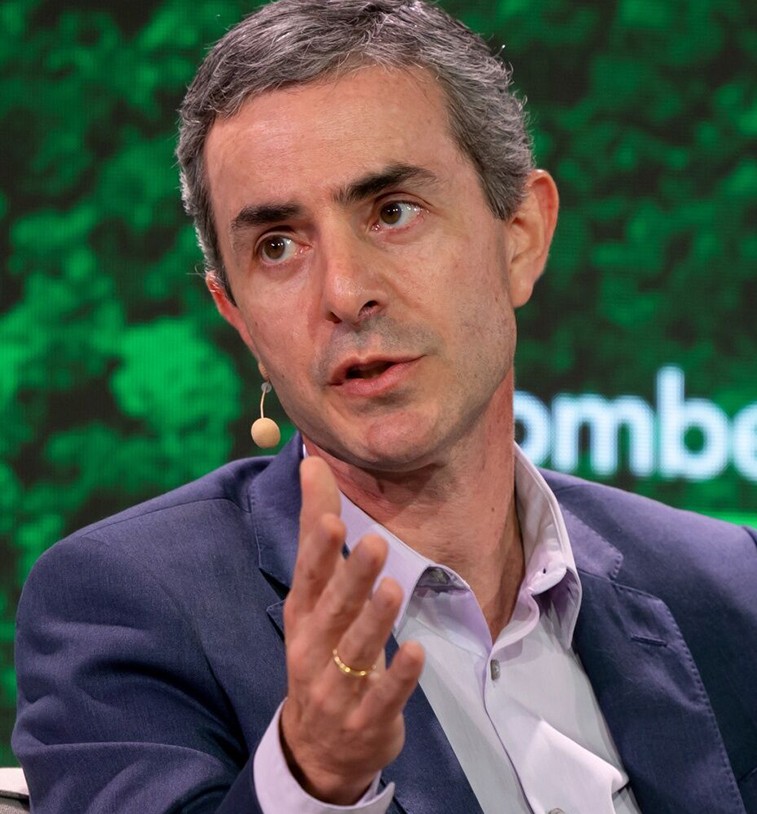
Former Raízen CEO Ricardo Mussa leads the Sustainable Business COP (SB COP), a global business alliance that presents COP31 negotiators with examples of sustainable initiatives. Speaking from Türkiye, where the meeting is being held, he emphasizes the need to present an economically viable model to win countries’ support for the energy transition. He argues the focus should be on currently available alternatives that offer the best returns, such as combining solar and wind generation with batteries. Mussa cautions, however, that replacing fossil fuels within 10 years is “utopian.”
Valor: How will the business sector promote the energy transition at COP31?
Ricardo Mussa: Influencing the decision texts at COPs is extremely difficult. The process involves 197 countries, all with equal voting power, and decisions are reached by consensus. On the other hand, we have learned that the best way to do this work is to present examples that help explain why we are seeking change. At SB COP, we search the global private sector for the best examples of successful projects. We held a competition and received 1,400 submissions. To be selected, an initiative must generate an economic return, have a verifiable track record, and be replicable and scalable.
Valor: What specific examples are being taken to Türkiye?
Mussa: We are taking 50 examples to show negotiators, including some from Brazil. One is Vale’s operation in Carajás. Forty years ago, the company received nearly 1 million hectares in the heart of the Amazon for iron ore mining. Since then, it has exported more than R$2.6 trillion worth of ore, created 200,000 jobs, and preserved 98% of the area. Another example is Fazenda Roncador in Mato Grosso, a global model for integrating livestock and crop farming. It uses biofertilizers and biopesticides. The owner says, “I pursued sustainability and found productivity.”
Valor: The coalition represents 57 million companies in 123 countries. Where do business leaders from these countries agree and disagree?
Mussa: The main area of agreement is that we need to find profitable, sustainable mechanisms and focus on those with the greatest likelihood of success. Everyone also agrees on the need for energy efficiency. Electrification is highly relevant. There is also agreement on the need to improve financing mechanisms. Disagreements center on the pace of energy targets and the best way to manage the global carbon market.
Valor: Türkiye, which shares the COP31 presidency with Australia, is leading a proposal to accelerate electrification to 35% of the energy mix by 2035. Is that feasible?
Mussa: It is a very ambitious target, but part of the COP process is precisely to raise the bar. There is consensus that electrification is an increasingly important path for every country. Even setting aside the climate issue, the geopolitical context has led countries to view energy differently. Two-thirds of countries do not produce oil; they import it or depend on it. Electricity generation is more decentralized. For energy security reasons, many countries have been investing in electrification. But it would be utopian to suggest that the world could replace fossil fuels over the next 10 years. We will still need oil for quite some time. The major question today is whether electrification is being implemented quickly enough to mitigate or reduce climate risks, since fossil fuels cannot be abandoned in the short term.
Valor: Do you believe oil exploration along Brazil’s Equatorial Margin should be expanded?
Mussa: Brazil is shifting its energy mix, and its oil has low emissions. The country cannot forgo what the Equatorial Margin offers. What it needs to discuss is how to invest safely and sustainably. It must debate how those resources will be allocated and used for public policies, including modernizing the country’s industrial base. We have an energy surplus, but energy is still very expensive for industry and end consumers.
Valor: What is your assessment of the global roadmap presented by the Brazilian COP30 presidency for moving away from fossil fuels?
Mussa: I very much welcome the entire discussion. Brazil did not shy away from putting it on paper. In my view, President Lula should not refrain from exploring the Equatorial Margin because of that document. I understand that Brazil recognizes the need for additional energy and its role in a world shaped by geopolitical demand, while advocating safe exploration.
Valor: Oil prices rose sharply because of the war in Ukraine and then the war in Iran, encouraging investment in the industry. Does this situation undermine global CO₂-reduction targets?
Mussa: The price signal is important. Companies operating in fossil fuels will make more money in the short term. But I see countries’ strategic decisions moving toward reducing their dependence on oil. That is apparent at COP31: the current shock is encouraging renewable-energy production. Interest in diversifying the energy mix and seeking alternatives has not declined.
Valor: Is biomass a viable way for industries to decarbonize?
Mussa: Brazil has an excellent energy mix and substantial biomass production. We can benefit far more than other countries. Biomass is like a large battery, which gives it an advantage over electricity. I have always argued that we should electrify part of the industrial base to free up more biomass, which we can then convert into ethanol and export. Biomass is a major decarbonization alternative for sectors such as steel and mining. The problem is that Brazil still uses biomass inefficiently. The country needs to examine its strengths and ask the government to provide support and create public policies in this area.
Valor: Could data centers hinder the transition because they use so much energy?
Mussa: With the advent of artificial intelligence, it is difficult to talk about replacing or reducing [energy consumption]. What we must ensure is that as much renewable energy as possible is used.
Valor: Could the weakening of Trump, with Democrats controlling the U.S. Congress, improve the outlook for the transition?
Mussa: It helps, but we must remember that despite the U.S. government’s absence from COP discussions, civil society, state governments, and U.S. companies are participating. The country never completely withdrew from the discussion. Even so, some change can be expected. During the Trump administration, we saw other countries gain influence in the climate debate. Brazil and England, for example, became more active. Therefore, although I expect the U.S. government’s participation to improve, I believe recent years have demonstrated that COPs have broad representation across all countries. I believe a U.S. policy that is less resistant to climate action will facilitate discussions. Many U.S. companies that previously participated more cautiously will also want to do this work publicly.
Valor: What is the key to the energy transition?
Mussa: To reduce emissions, we need to find ways to ensure economic viability. We are reaching a point where energy sources are becoming as competitive as—or more competitive than—fossil fuels. We should focus on the currently available alternatives offering the best returns. Combining solar and wind power with batteries is an excellent example. The economic case will determine whether the United States joins or leaves the discussion.

