Republicans could defeat Democrats due to 1 critical issue, new poll shows - Newsweek
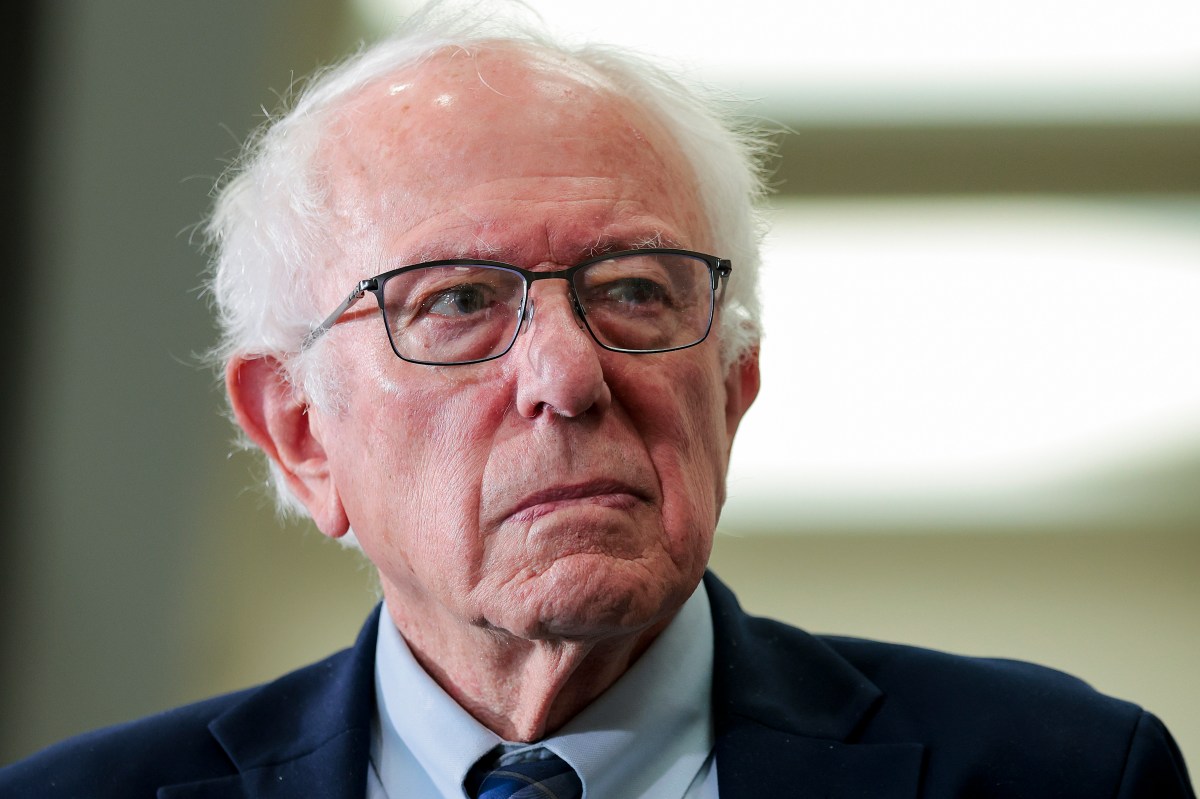
A new poll suggests Medicare for All could benefit Republicans in some of the country's most competitive House races, especially as progressive Democrats increasingly embrace the idea.
The survey, conducted by Republican polling firm FabrizioWard on behalf of Seniors Matter for America, found that voters in battleground congressional districts would favor a Republican candidate by a 50 percent to 38 percent margin if the Democratic candidate supported replacing existing health coverage with a government-run system.
The poll surveyed 1,000 likely voters across 37 House districts rated Toss Up, Lean Republican, or Lean Democrat by the Cook Political Report between August 31 and September 2.
“Health care is intensely personal,” Michael Fahey, CEO of Fahey Communications and a political strategy expert, told Newsweek. “If voters hear reform and think lower costs or greater access, that can be attractive. If they hear reform and think losing their current insurance, changing doctors or handing over control of a system they already know, the politics change very quickly.”
Medicare for All, once considered a fringe proposal, has regained some popularity among the Democratic Party's most progressive members ahead of the 2026 midterm elections.
While Democratic leaders have largely focused on defending the Affordable Care Act and opposing Republican-backed Medicaid reforms, some progressives are advocating for a single-payer health care system that would guarantee coverage to all Americans.
Congressional Progressive Caucus Chair Greg Casar recently described passing Medicare for All as one of the group's top priorities, and lawmakers Pramila Jayapal and Debbie Dingell held a Medicare for All-focused hearing this summer.
Ninety percent of respondents in FabrizioWard's survey currently have health insurance, and 85 percent of insured voters said they were satisfied with their coverage. Nearly half, 46 percent, described themselves as "very satisfied,” and more than four in five respondents with private insurance said they liked their current health plan.
Among independent voters specifically, Republicans held a 13-point advantage when voters were told the Democratic candidate supported replacing existing insurance coverage with a government-run system.
“Party identification only gets you so far when you are talking about somebody's doctor, medication or health insurance,” Fahey said.
“A voter can believe the health care system needs major reform and still be deeply skeptical of replacing their existing coverage altogether. Those are not contradictory positions.”
The survey also found voters became less likely to support the Democratic candidate after hearing the arguments that Medicare for All could increase federal spending and national debt and require higher taxes.
When it was framed as Medicare for All eliminating private insurance options and creating financial challenges for hospitals and health care providers, voters were less likely to support the Democratic candidate.
“In politics, there is a huge difference between voters saying the system is broken and voters saying they are willing to completely replace the system they personally depend on,” Fahey said.
The results may give Republicans ammunition, but the poll should be viewed in context.
FabrizioWard is a Republican polling and consulting firm co-founded by Tony Fabrizio, a longtime political strategist who worked on President Donald Trump's 2016, 2020 and 2024 campaigns. Seniors Matter for America, a conservative advocacy organization that supports Trump's policies, commissioned the poll.
"Republicans can win running against far-left plans for government-controlled health care, which would result in more government debt, higher taxes and spending, and the removal of choice,” FabrizioWard wrote in its study memo.
That does not necessarily mean the findings are inaccurate, but the wording used in the FabrizioWard survey that Americans would give up their current coverage for a "government-controlled" health care system could bias voters in their immediate poll responses.
The new survey contrasts sharply with several recent national polls showing majority support for some form of Medicare for All or universal health care.
A November 2025 Data for Progress survey found 65 percent of likely voters supported a national health insurance program that would cover all Americans and replace most private insurance plans. Even after respondents were informed that such a system would increase taxes and eliminate most private insurance, support remained at 63 percent.
Another survey commissioned by the MedicareForAll PAC found that 54 percent of voters supported a government-provided health care system even after hearing a description that said taxes would increase for some Americans.
Senator Bernie Sanders, a Vermont independent, made Medicare for All a centerpiece of his 2016 and 2020 presidential campaigns, arguing that health care should be a right, not a privilege.
In Sanders' vision, the federal government would provide comprehensive health coverage to all Americans, replacing most existing private insurance.
“Everybody recognizes that our current health care system is broken,” the senator said last year. “That’s why over 60 percent of the American people support Medicare for All.”
While the proposal failed to gain widespread support among Democratic leaders during the Biden years, progressives have continued to advocate for it, especially as Americans experience persistent frustration over rising insurance premiums and health care costs.
Still, Fahey cautioned that voters can be frustrated with premiums and prescription costs while simultaneously being reluctant to abandon private insurance.
“Politically, that creates more room for candidates talking about fixing specific problems than for candidates asking voters to embrace a wholesale replacement of the system,” Fahey said.
Health care is expected to be one of the top issues in the 2026 midterms, so both parties are likely to intensify their messaging around the topic.
While Republicans will likely frame Medicare for All as a government takeover of health care that could raise taxes and eliminate insurance choice, many Democrats argue that rising premiums and out-of-pocket costs show a need for reform.
“The political opportunity for Republicans is not necessarily convincing voters that health care reform is bad. It is framing the choice around disruption, uncertainty and loss of control,” Fahey said.
“For Democrats, the challenge is the reverse. They have to make the conversation about affordability, access and security rather than allowing it to become a referendum on whether voters will lose coverage they already like.”
Contact Newsweek editors on this story: Jason Lemon and Sam Wilson.