Residents' long fight over sewage crisis ends in major Supreme Court victory - IOL
Municipalities may appoint another organ of state urgently where a court order or emergency requires it, but the decision must still be rational, properly recorded and funded.
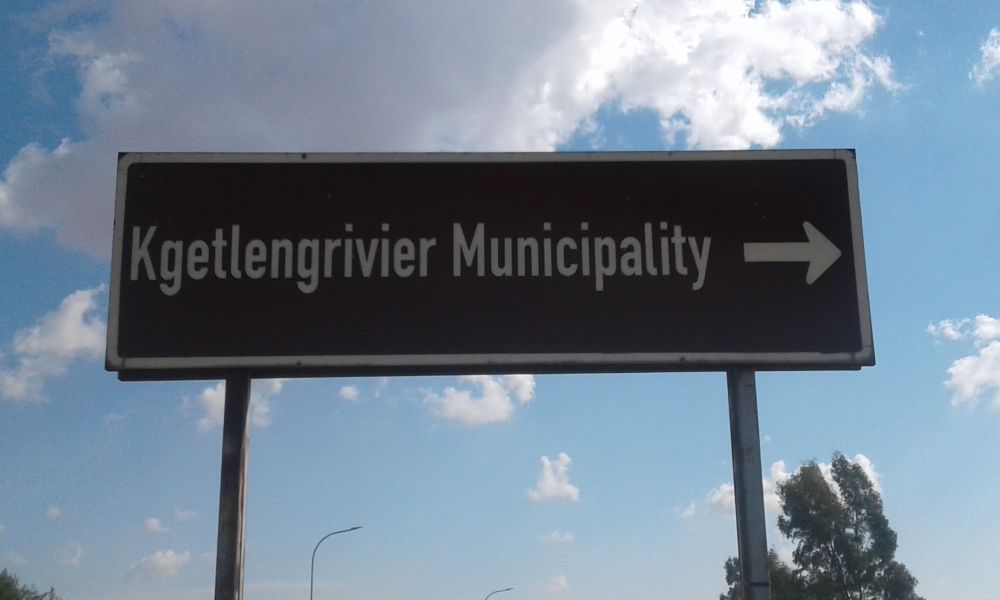
A residents’ association that stepped in during a sewage and water crisis in North West has won a long-running legal challenge against its municipality, with the Supreme Court of Appeal setting aside a disputed water-services appointment.
The ruling overturns the Kgetlengrivier Local Municipality’s decision to appoint Magalies Water to run its water and sanitation services, as well as the utility’s acceptance of that appointment. The proposed three-year arrangement was projected to cost R37.5 million, but the municipality could not provide a valid contract, a proper record of its decision or evidence that the expenditure had been authorised and funded.
The dispute dates back to 2020, when raw sewage from treatment works in Koster and Swartruggens entered the Koster and Elands rivers, which supply drinking water. The Kgetlengrivier Concerned Citizens, a voluntary association representing residents, repeatedly approached the courts in an effort to force the municipality to address the pollution and restore services.
An interim court order issued on 18 December 2020 directed the municipality to stop the spillages and fix the underlying problems. However, the association said conditions worsened, and the reservoirs were left without potable water.
On 7 January 2021, the association took control of the water and sewerage works. A consent order granted five days later required the municipality to appoint a suitable implementing agent by the end of January. The municipality appointed Magalies Water on the same day.
The appointment raised questions because the municipality had terminated Magalies Water’s previous contract on 26 November 2020, citing poor performance.
In an affidavit filed on 5 January 2021, the municipality had also told the court that the utility had failed and that another service provider would be appointed. The residents challenged the subsequent decision and repeatedly requested the documentation supporting it.
The municipality eventually provided two documents: a letter of appointment dated 12 January 2021 and an operations and maintenance agreement dated 27 May 2020.
The Supreme Court of Appeal found that the agreement related to the earlier contract, which had already been terminated. It therefore could not serve as the agreement for the new appointment.
Acting Judge of Appeal G N Z Mjali said the municipality had failed to produce a valid agreement or a complete record explaining its decision. There was also no explanation of why Magalies Water had been considered suitable, despite the municipality's previous assessment of its performance.
The court found the appointment irrational and arbitrary.
Magalies Water argued that the appeal had become moot because the three-year contract had expired. However, the court held that the history of water-service failures and the validity of the appointment raised issues of public interest.
Although all five judges agreed on the order setting aside the appointment, they differed on whether the municipality's reliance on an exemption for contracts between organs of state breached constitutional procurement requirements.
Mjali declined to decide that issue because the residents had raised it only during the appeal.
In a separate judgment, Judge of Appeal K E Matojane, supported by three other judges, said the exemption removed the need to follow ordinary supply-chain management procedures but did not remove the constitutional requirements governing public procurement.
Matojane said competitiveness might have limited relevance when one state entity appoints another, but transparency and cost-effectiveness remain essential.
A municipality must still be able to explain why it selected a particular state entity, what it agreed to pay and how the expenditure would be funded.
In this case, Matojane found no record explaining the choice of Magalies Water, no service-level agreement, no council resolution and no evidence that the projected expenditure had been budgeted for or authorised.
Magalies Water argued that the costs of the arrangement would be covered by the North West Department of Co-operative Governance, Human Settlements and Traditional Affairs.
Matojane said the court papers did not establish that funding arrangement. Even if the department had agreed to pay, the municipality remained accountable because the contract was concluded in its name.
He said municipalities could appoint another organ of state urgently where a court order or emergency made this necessary. However, the decision still had to be rational, properly documented and supported by funding.
The Supreme Court of Appeal also overturned the High Court's costs order against the residents’ association.
Mjali said the association had approached the courts to enforce residents’ constitutional rights to potable water and sanitation, and there was no suggestion that its applications had been frivolous.
The municipality was ordered to pay the costs of the review application and the application for leave to appeal in the High Court. Magalies Water was ordered to pay the costs of the appeal, including the costs of two counsel.