Revenge of the China hawks: Jensen Huang’s enemies take a victory lap - Semafor
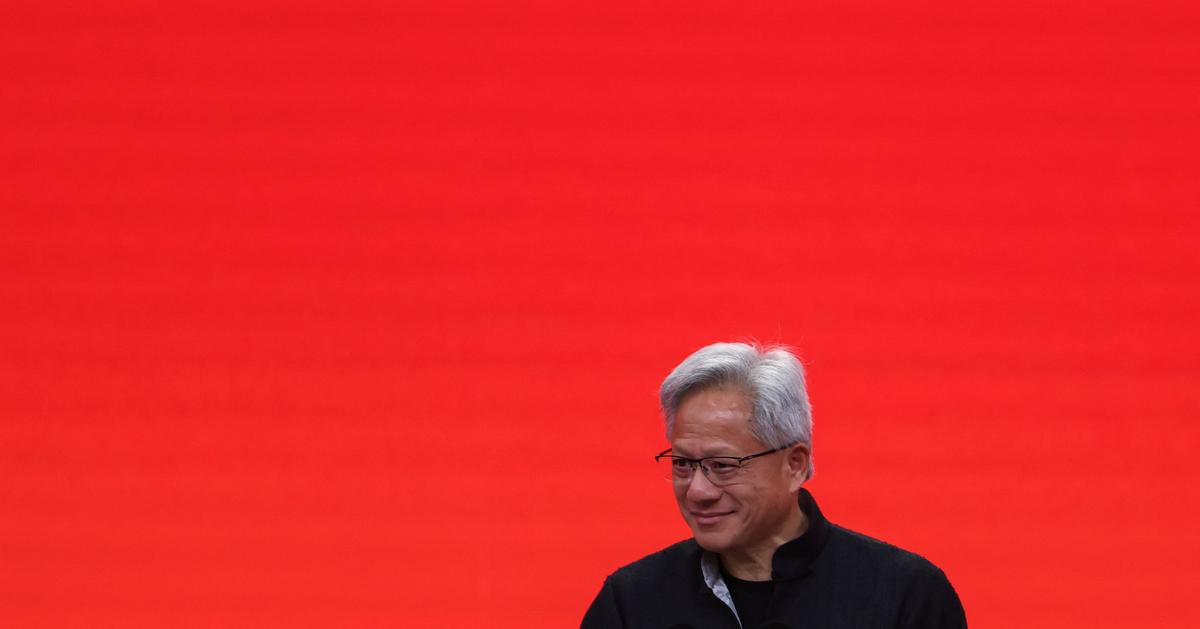
In the fall of 2025, Nvidia CEO Jensen Huang was riding high on the wave of the AI boom. He also landed at the center of an ideological war over chip exports that the $4 trillion company and its allies now think played a pivotal role in his undoing.
On one side were the China hawks inside the Trump administration — and circling outsiders — who worried Huang’s chips were helping fuel China’s AI ambitions. On the other side were Huang, David Sacks, and other technologists that argued for spreading US tech around the globe to ensure American-backed AI became the world standard.
Huang’s long-held, pro-trade views were already unpopular with many of the think tankers, academics, national security staffers, and US government officials that make up a loosely held group of anti-China ideologues. But in a podcast interview with influential venture capitalists Bill Gurley and Brad Gerstner, Huang took things further, arguing the term “China hawk” is a badge of “shame” and that those who wear it are not “patriotic.”
The slight did not go unnoticed, drawing the ire of anti-technology voices like far-right podcast host Steve Bannon and other critics who had railed against Huang’s lobbying against strict China export controls.
“Let’s just say this — China hawks are patient and have long memories,” wrote Eric Sayers, a former Congressional defense staffer and current managing director of lobbyist Beacon Global Strategies, a firm that has done work on China policy, according to people familiar with the matter.
Sayers re-upped his year-old X post again on Nov. 2, days before Huang admitted to having an affair with an alleged Chinese spy, on the back of weeks of media coverage digging into Megaspeed, an AI data center company based in Singapore that US government officials allege might be smuggling Nvidia chips into China. The implication was clear: Huang’s fate was not simply a result of the Nvidia CEO’s own personal failings or bad judgment. He had also made powerful enemies at the highest echelons of government that Nvidia now believes has all but stopped the company’s ability to lobby for the export of chips to China, according to a person briefed on the matter.
Although there’s no evidence to suggest they are connected to any leaks, among the most prominent of the China hawks that have been mentioned, these people say, are Sayers’ former colleague, Ivan Kanapathy, who serves as senior director for Asia at the National Security Council, and Tarun Chhabra, who served as deputy assistant to the president and coordinator for technology and national security on the National Security Council, and Landon Heid, an NSC staffer who nearly became assistant secretary of commerce for export administration at the Bureau of Industry and Security.
Chhabra now works for Anthropic, another vocal critic of chip sales to China, with CEO Dario Amodei comparing the practice to selling nuclear weapons to North Korea. Anthropic has also accused Chinese AI companies of stealing its intellectual property in order to train open weight AI models.
Spokespeople for Nvidia, the White House, Commerce Department, State Department, NSC, Marco Rubio, and Beacon Global didn’t immediately respond to requests for comment.
It’s unclear who was responsible for leaking national security documents that were used to discredit Huang. And whether the Nvidia CEO was the target of an espionage plot, or if there was any wrongdoing on his or Nvidia’s part, will be determined by investigators in the months ahead. But the damage has already shaved about $280 billion off the market value of the $4.2 trillion company. Huang’s now facing a board probe, shareholder lawsuits, Congressional questioning, and the near-certain prospect of details leaking out in drips and drabs.
Several people familiar with their China policy agenda say the group of hawks wield considerable power and influence in DC, and the elimination of Huang from the other side of the debate will make the upcoming fight over export controls being added to the National Defense Authorization Act significantly easier.
Huang obviously walked into a scandal, but the US government bears some responsibility for clearing up whether or not it’s investigating the founder of the country’s most successful company, potentially harming a company with massive strategic value and shaving off billions of dollars of a stock that’s in most people’s investment accounts.
Nvidia’s success and failure has direct and indirect impacts on almost everybody in the US, and many around the world. We should get a full accounting of the impacts of an extrajudicial action against a US citizen by the government with enormous economic implications, positive and negative. Either something is classified or it’s not. Now that it’s been leaked, the rest of the information should be made public.
From James Czerniawski, head of emerging technology policy at the Consumer Choice Center. “The government shouldn’t be able to weaponize a surveillance file against an American and their business. It should concern every American whenever intelligence is selectively surfaced and leveraged to advance certain policies, whether that means tighter chip export controls or building support for reauthorizing a deeply flawed surveillance program. When the government wields this kind of power, it isn’t just disrupting an individual’s life; it can put a target on an American company and create economic uncertainty in the marketplace. That kind of power demands real limitations and accountability. Protecting our national security is important, but giving the government carte blanche to use its surveillance capabilities is a recipe for disaster that will ultimately leave everyone worse off.”