RFK Jr. takes shortcut to make some unapproved peptides available for use
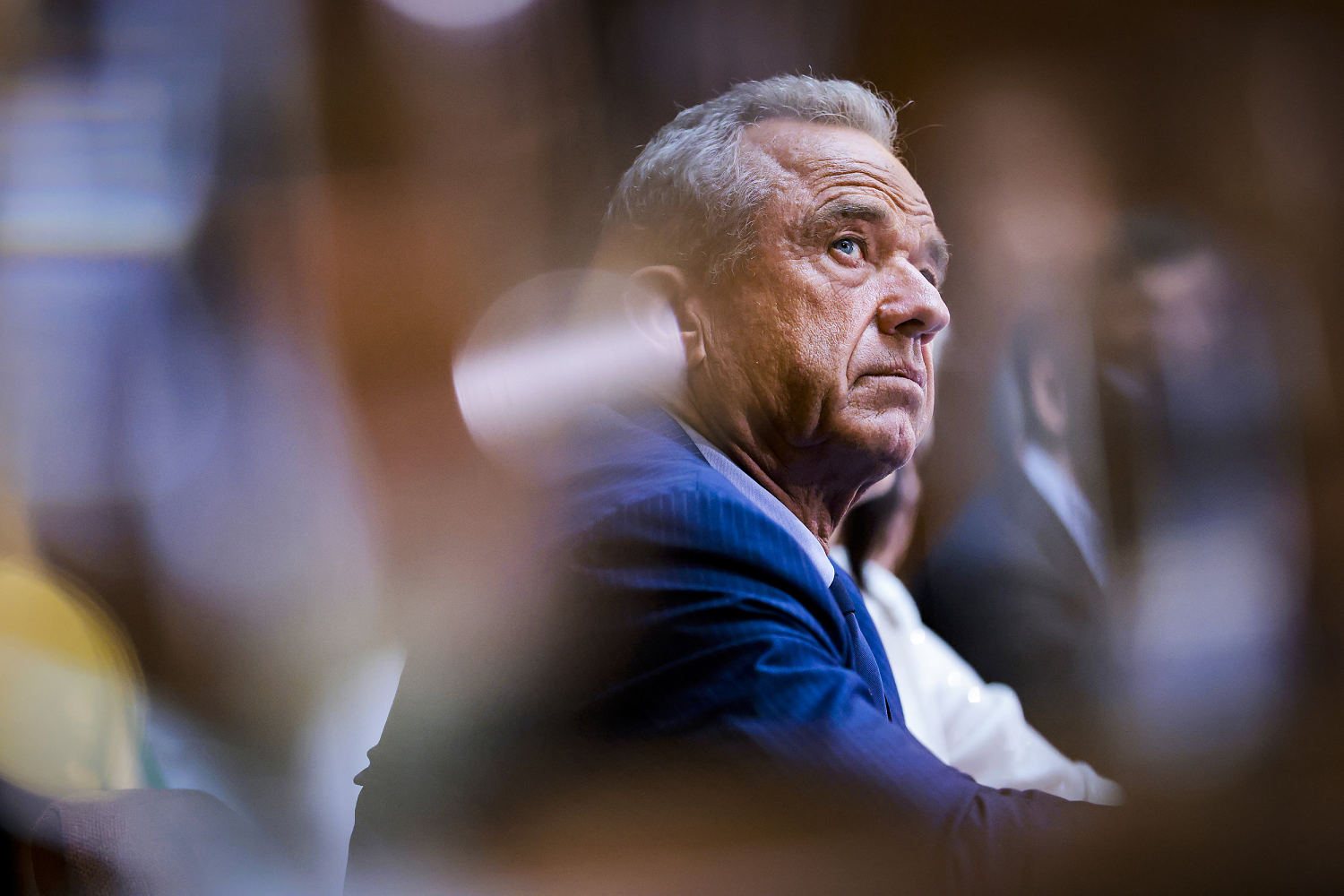
Health Secretary Robert F. Kennedy Jr. has said he's a "big fan" of peptides.Heather Diehl / GettyShareAdd NBC News to GoogleOct. 28, 2026, 12:13 PM EDTBy Berkeley Lovelace Jr.The Department of Health and Human Services is giving compounding pharmacies a temporary green light to make six peptides while the agency continues to work on a formal rule change.
In a notice filed Wednesday, the agency said it would exercise “enforcement discretion,” meaning it will not take legal action against compounding pharmacies that make the six unapproved peptides. In practice, that means these pharmacies can start offering them now, even though the peptides aren’t yet on the Food and Drug Administration’s list of ingredients compounding pharmacies are allowed to make.
The six peptides are BPC-157, epitalon, KPV, MOTS-c, semax and TB-500.
They’ve been promoted online as treatments for everything from faster healing to younger-looking skin and a longer lifespan. None are approved by the FDA, and the agency’s own scientists concluded there is insufficient data to prove they are safe and effective.
The FDA said compounding pharmacies must certify the identity and purity of the compounds. They must also now report side effects, which was not previously mandated.
The move comes as a growing “gray market” has sprung up around peptides, where retailers sell them labeled “for research use only,” a legal workaround that lets them claim they aren’t meant for humans. Health Secretary Robert F. Kennedy Jr. and others have argued that allowing peptides to be compounded would move people away from this gray market and toward safer products.
“Under President Trump’s leadership, HHS is working to put prevention and patient safety at the center of health care—and that includes confronting the risks of black-market peptides,” Emily Hilliard, an HHS spokesperson, said in a statement.
Dr. Peter Lurie, a former FDA official who now leads the Center for Science in the Public Interest watchdog group, said the FDA was essentially “turning a blind eye” to widen access to drugs that have not been proven to work.
FOR SUBSCRIBERSDHS hack exposes 40,000 employee names and undercover ICE agents, activists sayFOR SUBSCRIBERSRising diesel prices hit school districts hard ahead of the midterm electionsFOR SUBSCRIBERS‘There goes Texas’: The swing county that could determine the state’s next senatorFOR SUBSCRIBERSThey were deported to Costa Rica, but that won’t stop them from trying to come back to the U.S.FOR SUBSCRIBERSIsrael’s election has no clear winner — but Benjamin Netanyahu looks far from defeated againFOR SUBSCRIBERSDemocratic? Republican? Most new young voters register as neitherFOR SUBSCRIBERSDavid Crowley rushes to shore up support with Black voters in Wisconsin governor’s raceFOR SUBSCRIBERSDOJ’s ‘shocking’ flurry of pre-election activity breaks precedent, former officials sayFOR SUBSCRIBERSElectronic machines aren’t flipping votes, despite online claims, election officials sayFOR SUBSCRIBERSDemocratic candidates emphasize their support for gun rights in tight midterm racesFOR SUBSCRIBERSMacklemore’s Free Palestine Tour gets massive welcome in Dublin, where pro-Palestinian support runs deepFOR SUBSCRIBERSYes, we’re already talking about 2028FOR SUBSCRIBERSAmy Acton says she’s learning new things about her childhood in wake of attack adFOR SUBSCRIBERSAs Tennessee manhunt continues, sister of murderer’s victim warns ‘he will kill somebody’FOR SUBSCRIBERS2026 midterms become most expensive election cycle everSlide 1 of 1For SubscribersFOR SUBSCRIBERSDHS hack exposes 40,000 employee names and undercover ICE agents, activists sayFOR SUBSCRIBERSRising diesel prices hit school districts hard ahead of the midterm electionsFOR SUBSCRIBERS‘There goes Texas’: The swing county that could determine the state’s next senatorFOR SUBSCRIBERSThey were deported to Costa Rica, but that won’t stop them from trying to come back to the U.S.FOR SUBSCRIBERSIsrael’s election has no clear winner — but Benjamin Netanyahu looks far from defeated againFOR SUBSCRIBERSDemocratic? Republican? Most new young voters register as neitherFOR SUBSCRIBERSDavid Crowley rushes to shore up support with Black voters in Wisconsin governor’s raceFOR SUBSCRIBERSDOJ’s ‘shocking’ flurry of pre-election activity breaks precedent, former officials sayFOR SUBSCRIBERSElectronic machines aren’t flipping votes, despite online claims, election officials sayFOR SUBSCRIBERSDemocratic candidates emphasize their support for gun rights in tight midterm racesFOR SUBSCRIBERSMacklemore’s Free Palestine Tour gets massive welcome in Dublin, where pro-Palestinian support runs deepFOR SUBSCRIBERSYes, we’re already talking about 2028FOR SUBSCRIBERSAmy Acton says she’s learning new things about her childhood in wake of attack adFOR SUBSCRIBERSAs Tennessee manhunt continues, sister of murderer’s victim warns ‘he will kill somebody’FOR SUBSCRIBERS2026 midterms become most expensive election cycle everSlide 1 of 1Compounding pharmacies generally may use only ingredients the FDA has added to an official list known as the bulk drugs substances list. Adding an ingredient requires the FDA to propose a rule, take public comment and issue a final rule, a process that can take several months.
The agency took a step toward that process in July, when an FDA advisory panel narrowly voted in favor of adding six peptides to the bulk list. The panel included six new appointees with ties to the peptide industry and another who is the son of a U.S. representative who has pushed Kennedy to make peptides more available. (During that meeting, some committee members expressed concerns that the recommendation could make it harder for the FDA to say no to other unapproved drugs in the future.)
On Tuesday and Wednesday, the FDA was scheduled to meet outside groups, including Medivant Healthcare, a compounding pharmacy that offers peptides, according to Reginfo.gov, a federal website that tracks government regulations.
Shabbir Safdar, executive director of the Partnership for Safe Medicines, which researches the dangers of counterfeit medicines, said both the enforcement discretion and upcoming rule change would expose Americans to “untested dangerous substances.”
“Imagine what it means for the nation’s top drug regulator to announce they won’t enforce the laws on people making completely untested compounds and distributing them to the public,” Safdar said.
Berkeley Lovelace Jr.Berkeley Lovelace Jr. is a health and medical reporter for NBC News. He covers the Food and Drug Administration, with a special focus on Covid vaccines, prescription drug pricing and health care. He previously covered the biotech and pharmaceutical industry with CNBC.