Richard Warnica: Olivia Chow gave Brad Bradford a huge opening. It may cost her city hall - Toronto Star
Brad Bradford, Olivia Chow’s principal rival in the upcoming municipal election, has made public order the dominant theme of his campaign.
Toronto’s parks and public spaces have a problem with public disorder that progressives like Olivia Chow haven’t adequately confronted, writes Richard Warnica.
Richard Warnica is a Toronto-based senior opinion writer for the Star. Reach him via email: rwarnica@thestar.ca.
Like a lot of young parents in Toronto — my nine-year-old daughter is a fourth grade student in the TDSB — I’ve spent a lot of time since the pandemic thinking about homelessness and public safety.
In the years during and immediately after lockdown, I spent more time in public parks and playgrounds than I had at any other point in my life. I watched my kid totter through splash pads and learn the monkey bars. I launched her through the solar system on the swings — past the moon and Mars, though the asteroid belt and home again.
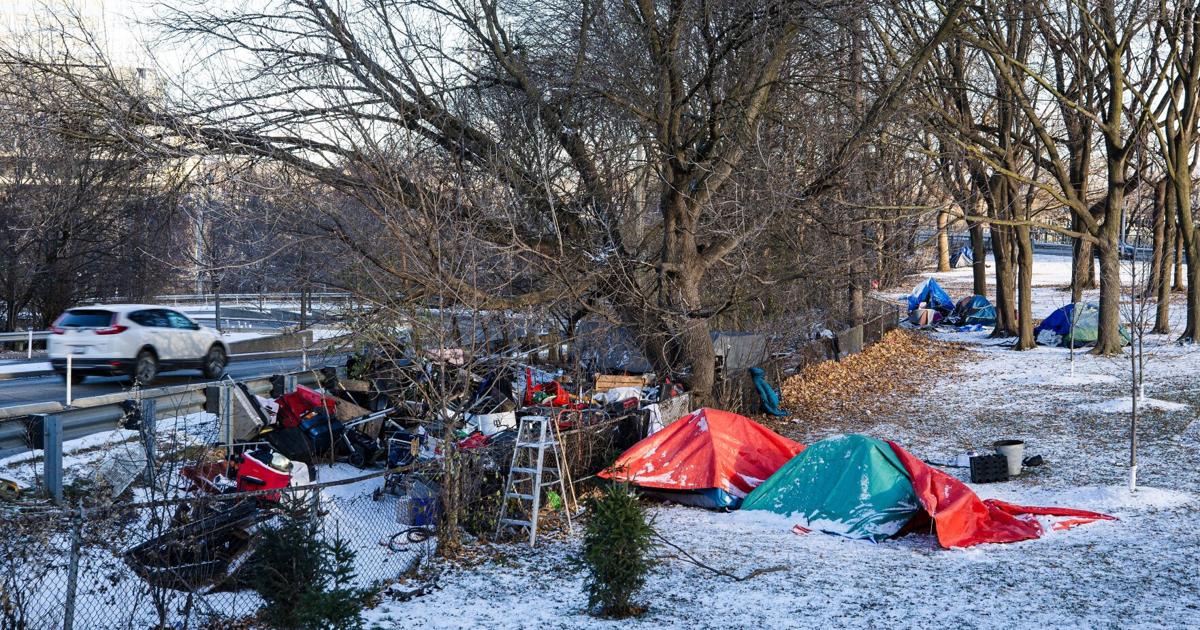
I also got to watch up close in those years as tent cities sprouted and spread in Toronto’s public parks. In places like the Grange and Dufferin Grove, I saw men and women in deep and sustained crisis setting up encampments in and around children playing baseball and tag.
I felt a profound sense of moral conflict in those years. I knew the structural problems that made chronic homelessness explode in Toronto: the underfunded shelter system; the decades of frozen spending on public housing, the gulf between the need for and the supply of mental health and addiction treatment beds.
At the same, I don’t have a problem saying I didn’t like watching my kid play in a public park that was doubling as an unregulated outdoor homeless shelter. As one progressive city counsellor put it to me at the time, “That’s not what the park system is for.”
It wasn’t safe. It wasn’t sanitary. It risked eroding the good will people in this city had for their most vulnerable neighbours. And it wasn’t just the parks, either.
In the years after the pandemic, as they did in big and medium sized cities all over North America, the problems of homelessness, opioid and crack addiction, and mass untreated mental illness burst into view everywhere in Toronto’s public realm: on the streets, in public libraries, on public transit.
One day, not long ago, my family and I were taking the bus home from a Blue Jays game when a man two seats behind us lit a crack pipe. I’m ashamed to admit that I didn’t know what to say to my daughter. I’ve spent years reporting on these issues. But I couldn’t find the right words to explain why we were getting off the bus early and walking several extra blocks home.
On Monday, Toronto voters will elect a new city council. They’ll also decide whether to give Olivia Chow another four years as mayor. The outcome of that race will hinge in significant part on how voters feel about the experience of living in and travelling through this city — about public drug use, homelessness and disorder, in other words — and how they believe Chow has dealt with those issues as mayor.
Brad Bradford, Chow’s principal rival, has made public order the dominant theme of his campaign.
A new Liaison Strategies poll suggests Brad Bradford has a slim lead over incumbent Olivia Chow.