Riding in India is unpredictable. Here's how to stay safe on a two-wheeler
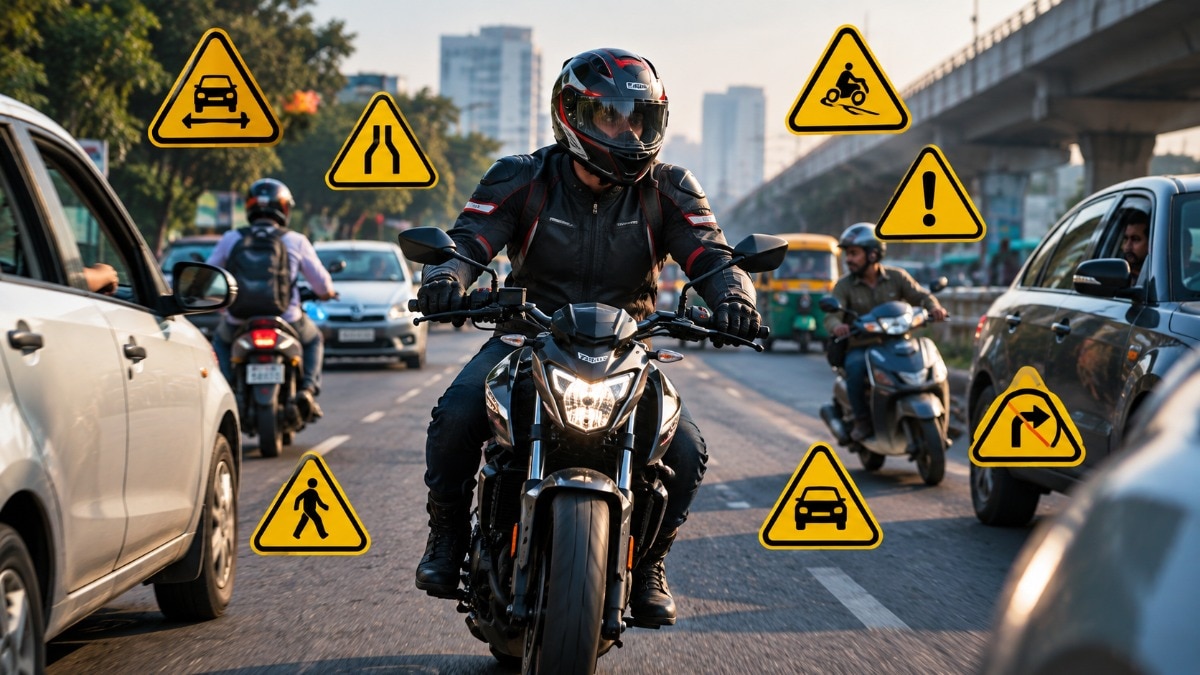
We ride and drive in an extremely unpredictable environment. People come from the wrong side, cut across lanes, rarely use indicators, often do not fear the law and drive as if they own the road. At times, you can get into an accident even when you have done nothing wrong.
In a car, multiple airbags, seatbelts, crumple zones and a strong safety structure can offer a significant layer of protection. Modern cars also undergo safety tests that give buyers an indication of how well they can protect occupants in a crash. On a motorcycle, however, things get far more complicated. There is no airbag, no crumple zone and no protective cabin around the rider. The motorcycle itself may have ABS and other safety features, but ultimately, the rider is exposed.
That does not mean there is nothing you can do. While you cannot control what another road user does, you can reduce your own risk by adopting a few basic habits.Wear riding gear every time
Riding gear should not be treated as something reserved for highway rides or long-distance trips. If you are getting on a motorcycle, wear the right gear, even if you are riding a few kilometres to work or to the neighbourhood market.
A good helmet is the most important piece of protective equipment. It should fit properly, be securely fastened and meet the applicable safety standards. An expensive helmet that does not fit correctly is of little use if it comes off during a crash.
A riding jacket with impact protectors can help protect the shoulders, elbows and back, while riding gloves provide protection for the hands, one of the first things a rider may instinctively use to break a fall. Riding trousers or riding-specific protective pants can offer additional protection to the hips and knees, while proper riding boots can protect the feet and ankles.
The key is consistency. Protective gear only works if you are wearing it when something goes wrong. A crash does not wait for you to put on your jacket, gloves or boots.
Being a good rider is not just about controlling a motorcycle at speed. It is also about anticipating what other road users might do.
Keep a safe distance from the vehicle ahead and avoid sitting in another vehicle's blind spot for extended periods. When approaching intersections, junctions or gaps in traffic, assume that someone could emerge from a position you cannot see. This does not mean riding in constant fear; it means giving yourself enough time and space to react.
Look beyond the vehicle immediately in front of you. Reading the traffic several vehicles ahead can help you identify a sudden brake, lane change or obstruction before it becomes an emergency.Do not ride faster than the situation allows
Speed itself is not the only issue; the problem is the amount of time and distance available to react when something unexpected happens.
A familiar road can be particularly deceptive. You may know every turn, but you cannot know what another road user is going to do around that turn. Adjust your speed according to traffic, visibility, road surface, weather and the possibility of pedestrians, animals or vehicles entering your path.Make yourself visible
Being seen is an important part of staying safe on a motorcycle. Use your indicators, especially when changing lanes or turning, and avoid abrupt movements.
At night or in poor visibility, make sure your motorcycle's lights are working properly. Reflective elements on riding gear can also make the rider easier to spot.
But never assume that an indicator or horn guarantees that another road user has seen you. Look for confirmation before making a manoeuvre.Use the motorcycle's safety systems properly
Modern motorcycles come with features such as ABS, traction control and riding modes, depending on the model. These systems can provide an additional safety net, but they cannot overcome the laws of physics.
ABS, for example, can help prevent wheel lock during hard braking, but it does not mean you can brake from any speed and stop instantly. Understand what your motorcycle's electronic and mechanical safety systems can and cannot do.
Tyres are equally important. Check tyre pressures regularly, inspect them for damage and monitor tread wear. Brakes, lights, mirrors, suspension and the chain should also be maintained properly.advertisementAvoid distractionsA motorcycle demands your attention every second you are moving. Do not use your phone while riding, and avoid anything that takes your eyes or attention away from the road.
Music, navigation and communication should be set up before you start riding. If you need to interact with your phone, pull over somewhere safe rather than attempting to do it while moving.Riding safely starts before the engine starts
Riding in India is a challenge in itself. You can be an extremely capable rider, follow every rule and still find yourself in trouble because of one mistake made by someone else. This is especially true on busy roads and highways around cities such as Gurgaon, where traffic can change rapidly and vehicles often make sudden manoeuvres.
You cannot control every person sharing the road with you. What you can control is your speed, your attention, your motorcycle's condition and, most importantly, the gear you wear. You may not be able to prevent every crash, but being prepared can make a significant difference when the unexpected happens.