Rupiah’s drop to record low spurs Bank Indonesia intervention - The Straits Times
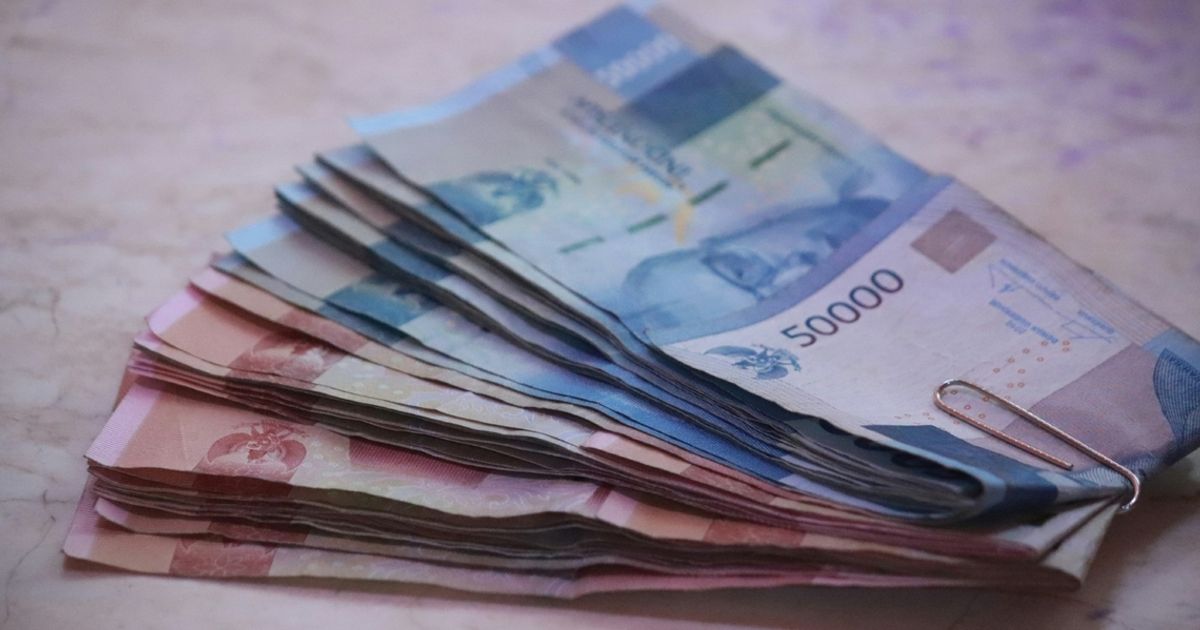
The rupiah weakened as much as 0.3% to 18,204 per US dollar on Nov 12, falling past the previous record low of 18,190 seen in early June.
JAKARTA – The Indonesian rupiah fell to an all-time low, adding pressure on authorities to contain a recent sell-off that also hit the nation’s stocks and bonds.
The central bank said it is intervening in the offshore non-deliverable forwards, domestic non-deliverable forwards and spot markets, as well as via government bond purchases in the secondary market to stabilise the rupiah, Asia’s worst-performing currency in 2026.
“Bank Indonesia remains present in the market to maintain the stability of the rupiah exchange rate, ensuring it aligns with its fundamental value,” the central bank’s executive director of Monetary and Securities Management Erwin Hutapea said in a statement on Nov 12.
The rupiah weakened as much as 0.5% to 18,241 per US dollar on Nov 12, falling past the previous record low of 18,190 seen in early June. The 10-year bond yield climbed four basis points to 7.66%.
The rupiah has come under renewed pressure as the dollar strengthened overnight on expectations that the Federal Reserve would resume raising interest rates in December. Investor sentiment remains fragile after MSCI in October unveiled a proposal to reclassify Indonesia as a standalone market, compounding a host of concerns already weighing on Indonesian assets, including political uncertainty.
“The rupiah continues to face relatively poor investor sentiment due to the confluence of unfavourable news headlines and the shift in the outlook for the US inflation and Fed policy,” said Homin Lee, senior macro strategist at Lombard Odier in Singapore.
“MSCI reclassification risk and Bank Indonesia’s relatively slow tightening cycle are also deterring value-seeking investors for the rupiah,” he added.
The rupiah has weakened more than 8% against the US dollar in 2026. Bank Indonesia has said it remains vigilant about market developments and is monitoring capital outflows following the MSCI announcement.
Local regulators have stepped up efforts to improve the equity market’s transparency and surveillance to avert MSCI’s double-downgrade threat, with the decision to be announced by the end of June.
They fined companies and individuals involved in stock manipulations, excluded tightly held shares from the benchmark index and enhanced shareholders’ affiliation information.
Goldman Sachs Group estimated about US$5.6 billion (S$7.2 billion) of passive outflows in the event the country’s stocks are removed from MSCI’s indexes.
The rupiah was also weighed down by a stronger dollar, which climbed to an 18-month high on Nov 11 as traders began pricing in a small chance of a half-point Federal Reserve rate hike in December following hawkish comments from officials and hotter-than-expected inflation data.
Meanwhile, renewed concerns over political uncertainty are also hurting markets after Vice-President Gibran Rakabuming Raka’s resignation.
Gibran, the son of former President Joko Widodo, had faced growing calls from politicians for his impeachment over questions about his educational credentials.
“The optics around the resignation are negative, the politics remain messy and investor sentiment is still fragile,” though there should be little fundamental spillover from this, said Galvin Chia, an emerging Asia strategist at Societe Generale. BLOOMBERG