Russia backs India’s bid for permanent seat at UN Security Council - The Indian Express
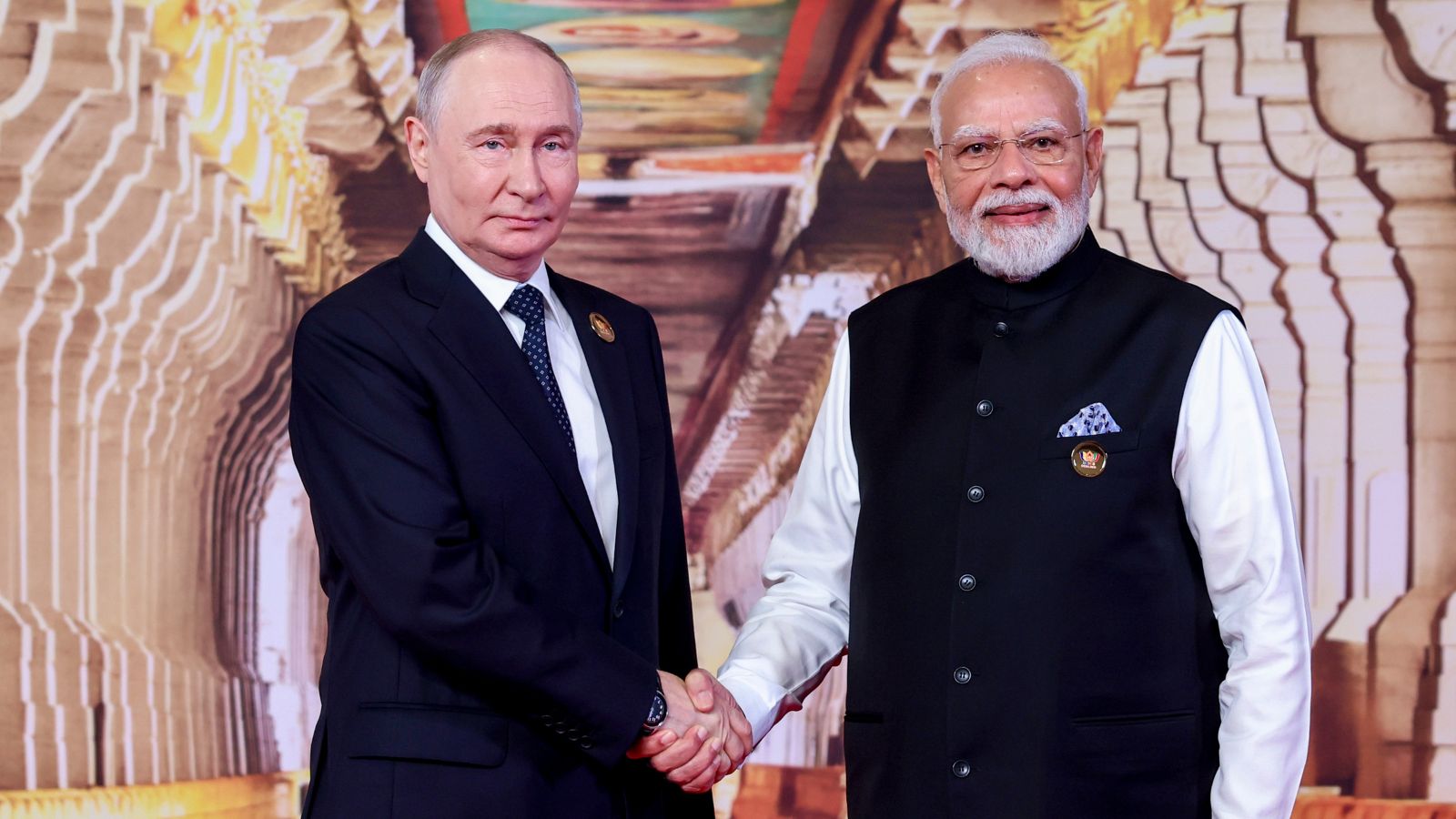
Russia has thrown its weight behind India’s push for a permanent seat on the United Nations Security Council. Speaking at the UN General Assembly session in New York on Saturday night, Russian Foreign Minister Sergey Lavrov said Moscow wants to see greater representation for Asia, Africa and Latin America on the council, and confirmed that Russia backs both India and Brazil for permanent seats.
He pressed for more UNSC seats to go to nations in the Global South and reaffirmed Russia’s support for India and Brazil specifically. At the same time, Lavrov made clear that any reform of the Security Council should not extend to giving Western powers extra seats, singling out Germany and Japan, which he accused of drifting toward militarism and returning to past ambitions.
BIG AT UNGARussian Foreign Minister Sergey Lavrov backs India’s bid for a permanent seat on the UN Security Council. pic.twitter.com/Qb3h4KgSvO
“We are in favour of broadening the representation of Asia, Africa, and Latin America. We support Brazil’s and India’s candidatures for a permanent seat,” Lavrov said.
He also said that whatever shape council reform eventually takes, it must not weaken the authority currently held by its permanent members.
Meanwhile, Mauritius used its own address at the session to back New Delhi’s candidacy. Foreign Minister Dhananjay Ramful said his country stands behind the positions taken by the G4 and L69 groupings on council reform.
“We support the positions of the G4 and of L69 on Council reform, and we reiterate our support for India’s candidature for a permanent seat, commensurate with its constructive role in global affairs,” Ramful said.
The Security Council currently has 15 seats. Five belong to permanent members holding veto power China, France, Russia, the UK and the US while the other ten are filled by countries elected for two-year terms.
Adding new permanent seats would require changing the UN Charter itself, which needs a two-thirds vote in the General Assembly and ratification by two-thirds of all member states, including agreement from every existing permanent member.
Even with Russia’s backing, the push to reform the council has made little real progress. Views among the other permanent members are divided, and China, one of Russia’s closest partners, continues to firmly resist India joining their ranks.
The Express Global Desk at indianexpress.com which delivers authoritative, verified, and context-driven coverage of key international developments shaping global politics, policy, and migration trends. The desk focuses on stories with direct relevance for Indian and global audiences, combining breaking news with in-depth explainers and analysis. A major focus area of the desk is US immigration and visa policy, including developments related to student visas, work permits, permanent residency pathways, executive actions, and court rulings. The Global Desk also closely tracks Canada’s immigration, visa, and study policies, covering changes to study permits, post-study work options, permanent residence programmes, and regulatory updates affecting migrants and international students. All reporting from the Global Desk adheres to The Indian Express’ editorial standards, relying on official data, government notifications, court documents, and on-record sources. The desk prioritises clarity, accuracy, and accountability, ensuring readers can navigate complex global systems with confidence. Core Team The Express Global Desk is led by a team of experienced journalists and editors with deep expertise in international affairs and migration policy: Aniruddha Dhar – Senior Assistant Editor with extensive experience in global affairs, international politics, and editorial leadership. Nischai Vats – Deputy Copy Editor specialising in US politics, US visa and immigration policy, and policy-driven international coverage. Mashkoora Khan – Sub-editor focusing on global developments, with a strong emphasis on Canada visa, immigration, and study-related policy coverage. ... Read More