Russia warns of significant escalation as Lithuania votes to lift nuclear arms ban
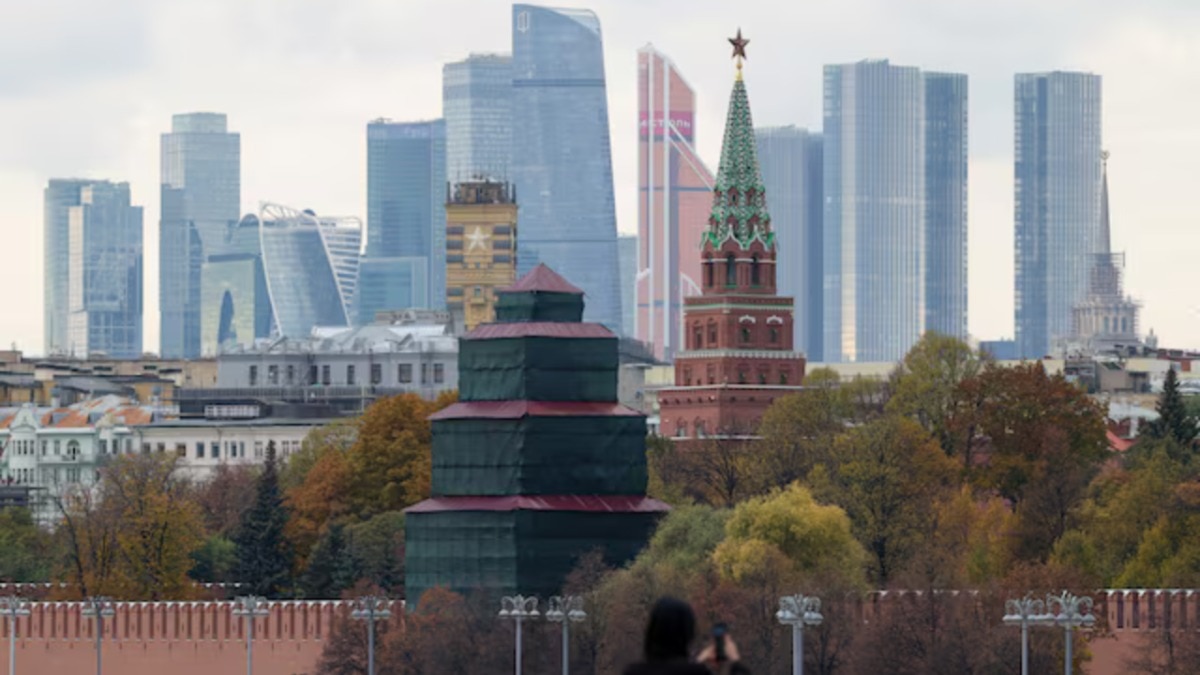
A new security flashpoint may be taking shape on Russia's doorstep. Lithuania has voted to remove its decades-old constitutional ban on nuclear weapons, while plans for a US military base in the Baltic nation have added another layer to Moscow's concerns.
The Kremlin on Tuesday warned that both developments could further raise tensions in Europe. Kremlin spokesman Dmitry Peskov said Moscow viewed the potential expansion of US military infrastructure closer to Russia's borders, along with the possibility of nuclear weapons being deployed in a neighbouring country, as moves that could contribute to a fresh escalation.
"If the military infrastructure of what is, in effect, NATO's leading country (the US) is moving closer to our borders, then, of course, this cannot be perceived as anything other than a step towards escalating tensions."
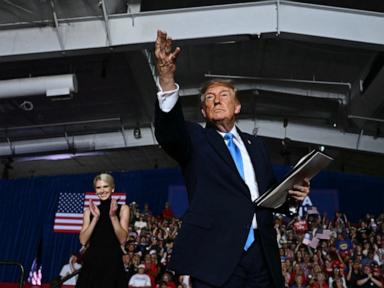
Peskov was responding to questions about Lithuania's parliamentary vote and US President Donald Trump's proposal for an American military base in the Baltic country. He said Moscow had similar concerns about the possible deployment of nuclear weapons in Lithuania.
"The same applies to the deployment of nuclear weapons on the territory of a neighbouring state. Neither of these developments will contribute to stability and predictability on the European continent; on the contrary, they will, much to our regret, mark yet another significant escalation of tensions."LITHUANIA TAKES FIRST STEP TO LIFT NUCLEAR BAN
Lithuania's parliament voted on Tuesday to begin removing the constitutional prohibition on nuclear weapons, clearing the first of two parliamentary hurdles required for the change.
The 141-seat parliament voted 106 in favour of the proposed amendment. A second vote is scheduled for January 12, with the measure requiring a two-thirds majority in both ballots before it can take effect.
The restriction dates back more than three decades, to the period after Lithuania broke away from the Soviet Union. Removing it would give the government greater legal flexibility over how the country responds to changes in its security environment. However, the vote does not mean Lithuania is preparing to immediately host nuclear weapons.
President Gitanas Nauseda said in July that there were no immediate plans to store nuclear arms in the country. He has argued that removing the constitutional provision would instead ensure Lithuania has more options if the regional security situation changes.
Nauseda also said Lithuania would remain a party to the Nuclear Non-Proliferation Treaty.WHY LITHUANIA IS RESETTING ITS SECURITY CALCULATIONS
Lithuania's decision carries significance because of its location and its position within NATO.
The Baltic country is a member of both NATO and the European Union. It shares a border with Russia and also borders Belarus, a close ally of Moscow.
The country has been strengthening its security posture as concerns over the regional military balance continue to shape policy decisions across NATO's eastern flank. The US has maintained an armoured battalion of nearly 1,000 troops in Lithuania since 2019. The force is deployed through rotating contingents, with US troops arriving and leaving every few months rather than remaining as a permanent deployment.
Trump's proposal for an American military base would potentially expand the US military presence in Lithuania beyond the existing rotational arrangement.US BASE PLAN ADDS TO MOSCOW'S CONCERNS
The possible American base and Lithuania's nuclear arms legislation are separate developments, but Moscow has linked the two in assessing their potential impact on regional security.
Peskov said the movement of US military infrastructure closer to Russia could not be viewed as anything other than an escalation. He also warned that allowing nuclear weapons in a neighbouring state would further undermine what he described as stability and predictability in Europe.
Lithuania, meanwhile, has presented the constitutional change as a way to preserve its options rather than as a decision to deploy nuclear weapons.
The next major step will come in January, when Lithuania's parliament holds the second vote on the constitutional change. Its outcome will determine whether the country formally removes the decades-old restriction and gains the legal option to consider hosting nuclear weapons in the future.- EndsWith inputs from agencies