SA scrambles to stave off US sanctions - IOL
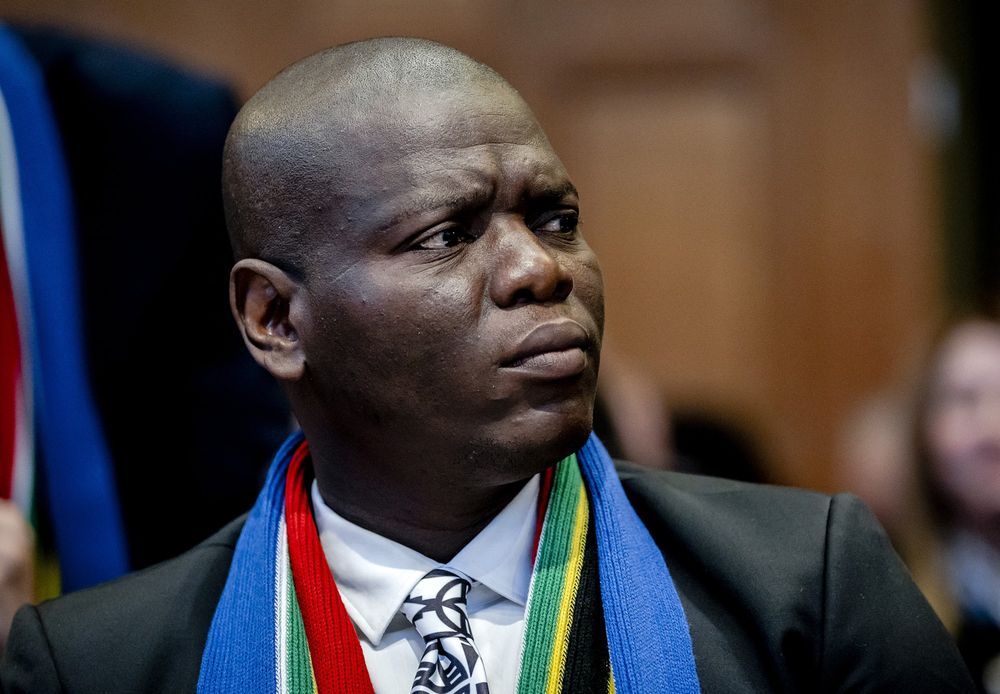
International Relations and Cooperation Minister Ronald Lamola is expected to hold several bilateral meetings with the US following the recent US visa restrictions targeting South African officials.
Minister of International Relations and Co-operation Ronald Lamola is currently in the US where he is expected to hold several bilateral meetings following the US decision to impose targeted visa restrictions and travel sanctions on South African officials.
The Department of International Relations and Cooperation (Dirco) said the minister is on a working visit ahead of the 81st UN General Assembly in New York which opened on September 8, with the high-level general debate from September 22 to September 28.
Dirco said Lamola is scheduled to have meetings on various issues including economic diplomacy, South Africa’s relations with the US and other international relations matters.
This diplomatic push follows a unilateral US decision to impose targeted visa restrictions and travel sanctions on South African officials this week.
The travel bans specifically target foreign individuals deemed responsible for, or complicit in, enacting or enforcing policies that allow for uncompensated land seizures, race-based discrimination, and the incitement of violence against minority groups, specifically targeting policies impacting the Afrikaner minority.
US Secretary of State Marco Rubio announced that the US will revoke existing US visas and reject future applications for affected individuals and potentially their immediate family members.
However, no specific names of targeted individuals were made public.
Rubio said the restrictions were necessary because the South African government has “consistently failed to adequately address rural crime, violent and dehumanising rhetoric, and race-based discriminatory policies”. He added that the measures reflect the administration's stance against what they call an “obsessive pursuit of racial grievance”.
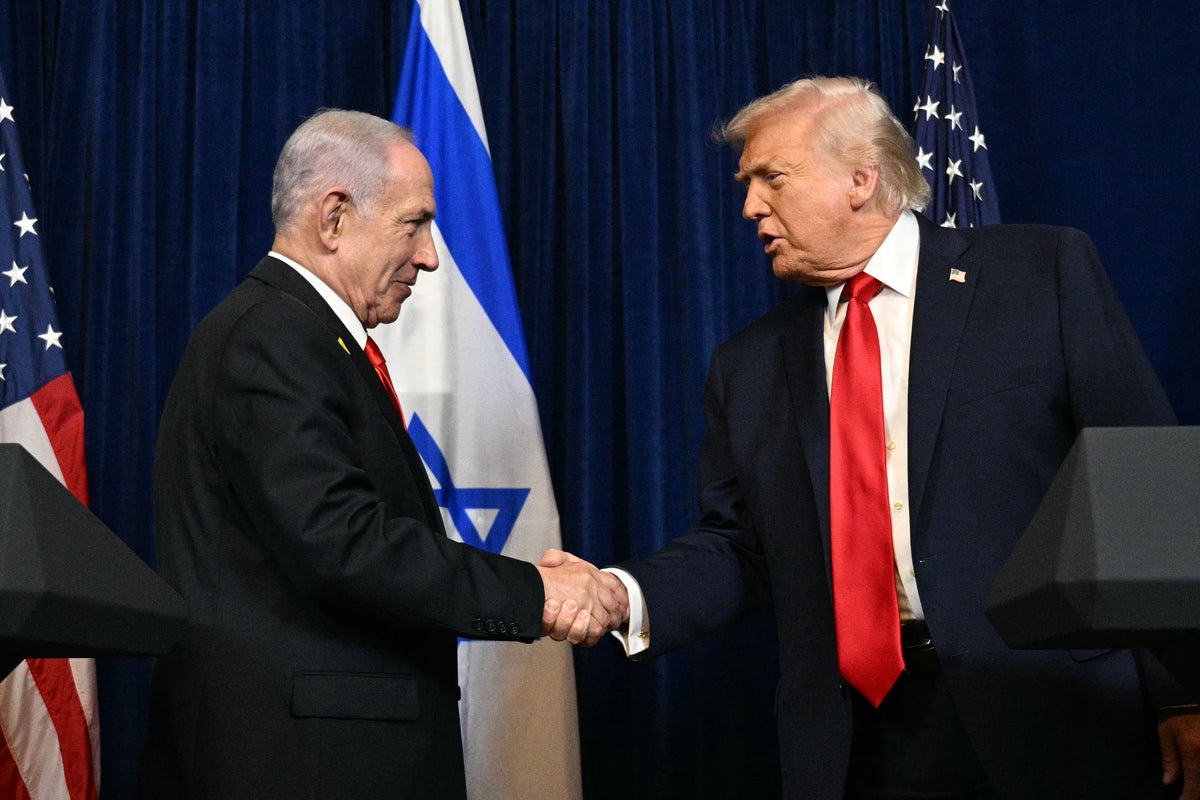
The policy follows a long-standing narrative championed by US President Donald Trump regarding the alleged persecution and “white genocide” of Afrikaners and minority groups in South Africa. It represents an escalation of actions that include a 2025 executive order offering refugee programmes for Afrikaners, and diplomatic friction between Washington and Pretoria.
This is after the US imposed a 30% tariff on South African exports, creating one of the highest trade barriers in sub-Saharan Africa, and cut funding earmarked for South Africa’s HIV treatment programmes.
The development also follows plans initiated last year to sanction South African figures through the US-South Africa Bilateral Relations Review Act of 2025. The bill mandated a full review of bilateral relations and authorised the identification of ANC and government officials for potential personal sanctions under the Global Magnitsky Act.
In a statement issued following the announcement, Lamola rejected the decision, saying it is based on a mischaracterisation of domestic policies. He said these restrictions aligned with narratives pushed by “fringe groups” who falsely claim to represent minorities and Afrikaners.
This statement was also echoed by the British politician George Galloway who said there is “no white genocide” and no systemic discrimination against white people in South Africa, following his recent visit to the country.
Galloway added that white South Africans are “doing very well”, pointing out that despite political changes since 1994, economic inequalities and wealth distribution remain heavily skewed.
Galloway made these remarks during a visit focused on praising South Africa's legal actions against Israel at the International Criminal Court (ICC) and International Court of Justice (ICJ).
Meanwhile, the US extended the African Growth and Opportunity Act (AGOA) through December 2028, keeping South Africa and 31 other eligible nations in the duty-free programme.
Asked if this means that the US-South Africa’s relations have been permanently damaged, public policy expert Dr Sean Muller argued that despite harsh public talk from the US government, the actual relationship is stable and the US currently holds significant influence over South Africa.
“Previously, many so-called experts and commentators confidently predicted that South Africa would be expelled from AGOA's special trade provisions on the basis of similar rhetoric - that did not happen.”
“My own view is that all this rhetoric is a function of three main factors. First, it serves the purpose of concealing a very different reality: that US influence in South Africa may now actually be at its highest level in the post-apartheid era. That is primarily the result of the political fracturing of the ANC and its alliance partners, and possible leverage the US may have over President Cyril Ramaphosa and some of his close associates.
"Second, it reflects political jostling within the US, with the current Trump administration trying to distinguish itself from their opponents in the Democratic Party.
"Third, it is being used as a kind of bargaining tactic: the US knows that South Africa cannot be compelled to abandon affirmative action and restitution policies that derive directly from the Constitution, but it uses these extreme demands to obtain even more influence from the subsequent compromises,” Muller said.
Political analyst Professor Theo Neethling said the visa restrictions should be understood as a targeted instrument against specific individuals rather than a general restriction on South Africans.
He said this means government officials, senior civil servants, and possibly political leaders could fall within the scope of this policy if they are deemed personally responsible for or complicit in such measures, though it would be incorrect to assume that all ANC or other government representatives are automatically being targeted.
“However, there is a broader geopolitical dimension. South Africa’s strong support for Palestine and its legal action against Israel at the ICJ, as well as its outspoken condemnation of US and Israeli actions against Iran, clearly place Pretoria on a different diplomatic footing than the Trump administration. This is not permanent but as long as the Trump administration is occupying the White House this is unlikely to change. So, the SA government can either hold the position that it won't tolerate interference in its internal affairs, or think out of the box on how to escape this highly challenging diplomatic challenge,” he said.
International relations expert Professor Andre Thomashausen said the visa review policy is not a broad country-wide sanction like those historically placed on Iran or Zimbabwe.
However, he warned that South Africa’s continued failure to engage with the US on the issue of direct discrimination against White South Africans in terms of BEE and EE (Employment Equity) legislation, especially the exclusion from equal job and contracting opportunities, will risk actual sanctions being imposed.
“These restrictions could force top ANC leaders to shop or invest in Tehran or Havana or Moscow instead of New York or Dubai. But they would not affect ordinary South Africans. The US has practiced Affirmative Action policies for decades, granting privileged access to formally disadvantaged groups such as African and Native Americans. South Africa should engage constructively with this experience and understand how and why it was gradually reviewed over time.”