Salad Dressing Recall Update in Three States as FDA Sets Highest Risk Level
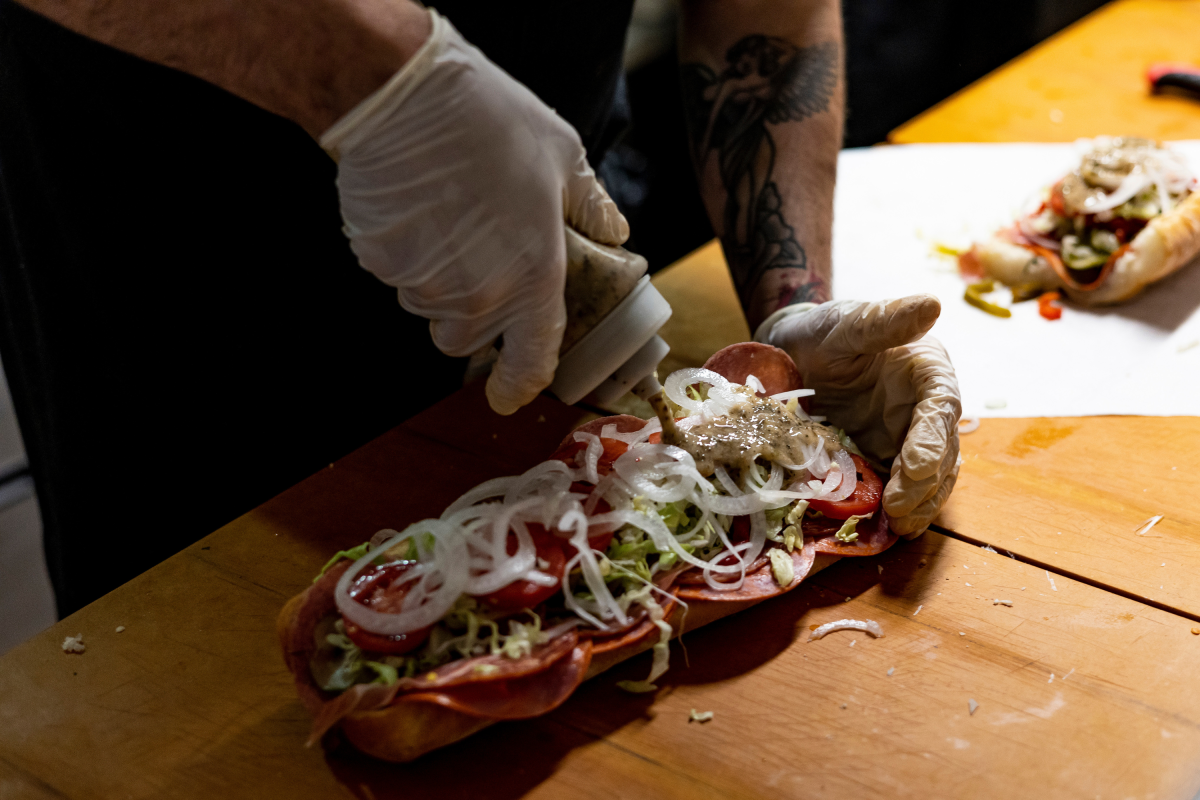
A recall of Salata Salad Kitchen Jalapeño Avocado Dressing, which was distributed in three states, has been assigned the highest risk classification by the U.S. Food and Drug Administration (FDA) because of possible Salmonella contamination.
The recall covers 1,724 cases of the dressing, which was manufactured by Salata Dressings, LLC, in Houston. The product was distributed in Georgia, North Carolina, and Texas, according to the official FDA enforcement report.
The company initiated the voluntary recall on August 6 and then announced it on August 11. The FDA designated it a Class I recall on September 29.
Class I is the FDA’s most serious recall category. It’s used when there’s a “reasonable probability that the use of or exposure to a violative product will cause serious adverse health consequences or death.”
The recall includes Salata Salad Kitchen Jalapeño Avocado Dressing, which is packaged in both 12.5-fluid-ounce bottles and one-gallon jugs—four jugs are packed in each shipping case.
According to the press release published by the FDA, the affected bottles have expiration dates of November 5, November 13, November 18, or November 25, 2026.
The one-gallon jugs carry expiration dates between October 6 and October 26, 2026.
The press release states that Salata initiated the recall after its jalapeños supplier told the manufacturer that the diced jalapeños, which are mixed into the dressing, could be contaminated with Salmonella. Not only that, but they could also be associated with a multistate Salmonella outbreak involving jalapeños that the FDA is investigating.
The initial public announcement focused on 12-ounce bottles sold at HEB grocery stores in Texas between July 13 and August 5. Those bottles had black caps and the affected November best-by dates. When the announcement was made, no illnesses had been reported in connection with the contaminated dressing.
However, the FDA’s subsequent enforcement report lists that the dressing was also sold in Georgia, North Carolina, and Texas, and it also includes the one-gallon foodservice jugs as well as the smaller bottles.
Neither the enforcement report nor the press release names any other grocery chains, restaurants, or foodservice customers in Georgia or North Carolina apart from HEB stores in Texas.
Consumers who have the recalled dressing shouldn’t eat it. Salata is advising customers to return the affected product to the place of purchase for a full refund.
Surfaces and containers that may have touched the dressing should also be thoroughly cleaned to reduce the risk of cross-contamination.
Newsweek has emailed Salata Dressings for comment and is awaiting a response.
In a separate case, the FDA also recently—on September 29—assigned a Class I classification to a recall of Coco G’s Gourmet Flaming Cheddar Hots Spicy Cheddar Cheese Popcorn over the same Salmonella contamination concerns.
The recall covers 270 bags of popcorn that were distributed in two states: Illinois and Wisconsin. It includes 2.5-ounce, 4.15-ounce, and 5-ounce bags that carry a best-by date of June 10, 2026.
Although Coco G’s Snack Foods, Inc., of Union Grove, Wisconsin, initiated the voluntary recall on May 5 because of possible Salmonella contamination, the FDA only issued the Class I classification on Tuesday.
The enforcement report doesn't identify which particular stores received the popcorn, and no public press release has been issued.
The recall remains ongoing at the time of publishing.
Newsweek has reached out to Coco G’s by email for comment.
The FDA states that Salmonella symptoms usually start between 12 and 72 hours after a person eats contaminated food, and can typically last anywhere from four to seven days.
Common symptoms include diarrhea, fever, and abdominal cramps, although some might experience a fever, headaches, or even blood in stools or urine.
Although most people recover without specific treatment, Salmonella can sometimes enter the bloodstream and, in rare cases, cause serious infections in arteries, the heart lining (endocarditis), or joints (arthritis).
Children who are younger than 5, older adults, and people with weaker immune systems are the most vulnerable and face a higher risk of more serious infection.
The U.S. Centers for Disease Control and Prevention (CDC) estimates that in a typical year, Salmonella causes more than 1 million illnesses, 26,500 hospitalizations, and 420 deaths nationwide.
Several significant Salmonella outbreaks have nevertheless been documented this year.
The multistate jalapeño-related outbreak, mentioned earlier, has caused 431 confirmed illnesses across 32 states, including 57 hospitalizations and no deaths, as of August 19. The CDC cautioned that the actual number of affected patients was probably much higher because most people recover without being tested.
A Salmonella outbreak linked to eggs resulted in 134 cases across 18 states and 34 hospitalizations, with no deaths reported, according to an official FDA notice. The affected eggs reached retail and foodservice customers in states including Texas, Oklahoma, Louisiana, Arkansas, Mississippi, and New Mexico.
Separately, the CDC reported 1,253 Salmonella cases associated with backyard poultry across 46 states. The now-closed investigation recorded 256 hospitalizations and two deaths, one in Georgia and the other in Washington.
The FDA and CDC are also investigating 22 Salmonella cases linked to broccoli sprouts sold to grocery stores, restaurants, and foodservice customers in Idaho, Montana, and Washington.
Another sprout-related recall this year has included alfalfa seeds that were distributed to growers and wholesalers in California, Florida, Hawaii, Illinois, Massachusetts, Minnesota, Missouri, Montana, New York, Ohio, Oregon, Pennsylvania, South Carolina, Tennessee, Texas and Utah, as well as Puerto Rico, and they were recalled as they were associated with an E. coli and Salmonella investigation, according to the FDA.
The recalls come amid heightened scrutiny of the nation’s food-safety response following an unprecedented surge in Cyclospora infections. Cyclospora is an intestinal illness caused by microscopic parasites which can cause symptoms such as diarrhea, weight loss, stomach pain, and fatigue.
The CDC received reports of 19,883 laboratory-confirmed, domestically acquired cyclosporiasis cases with symptom onset between May 1 and August 31, compared with 1,180 during the same period in 2025. The agency cautioned that additional cases could still be reported because it can take around six weeks for infections to be identified and included in federal data.
A major multistate outbreak linked to iceberg lettuce processed by Taylor Farms de Mexico accounted for 12,883 illnesses in 21 states, at least 570 hospitalizations and two deaths in Michigan. At its peak before the July 17 recall, more than 1,000 infections occurred in a single day.
Health and Human Services Secretary Robert F. Kennedy Jr. faced criticism over the federal response to the rise in Cyclospora outbreaks, including the delay in public alerts, confusion surrounding the lettuce test results, and reductions to foodborne-disease surveillance.
During a press conference in July, Kennedy said that the outbreak was “under control,” that officials had identified its source and that all implicated companies had implemented recalls.
Critics argued that federal cuts had reduced the government’s capacity to track foodborne disease. FoodNet, a surveillance partnership involving the CDC, FDA, Department of Agriculture and participating states, had made reporting of Cyclospora cases optional.
Kennedy maintained that the affected surveillance was redundant.
The final CDC figures show the sheer scale of the outbreak and the challenges facing public health agencies as they investigate foodborne illnesses like Salmonella and Cyclospora.
Newsweek’s reporters and editors used Martyn, our AI assistant, to produce this story. Learn more about Martyn here.