
Santander sees rural loan defaults remaining high in 2027 - Valor International
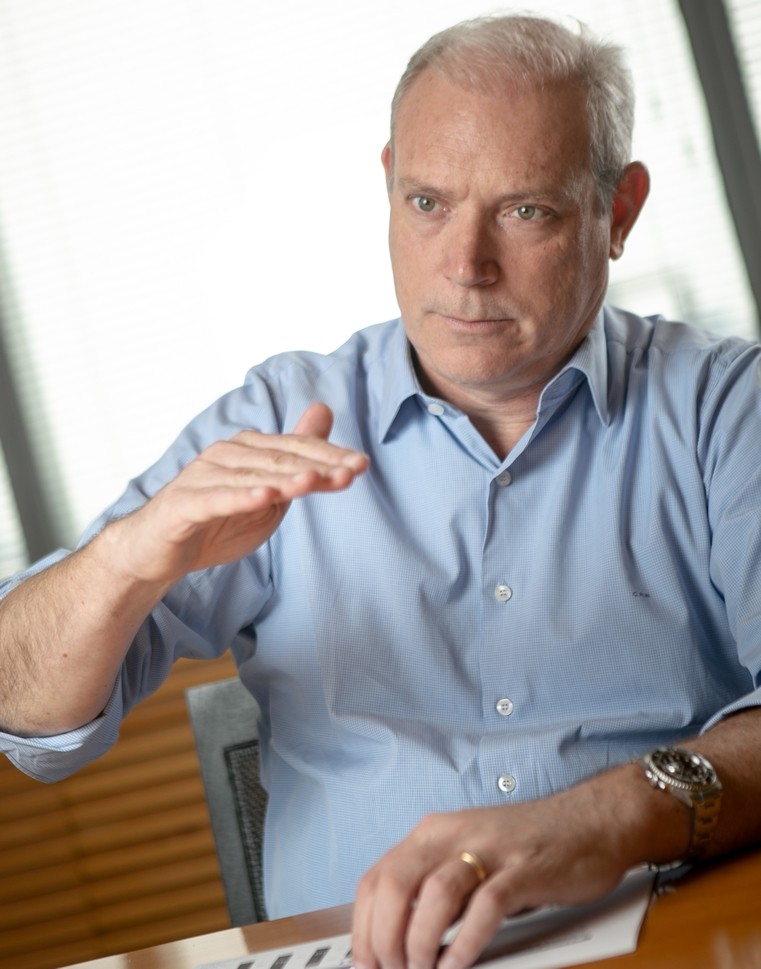
The agribusiness delinquency crisis, which began intensifying two years ago and came into focus with the release of Banco do Brasil’s latest quarterly results, is expected to continue into 2027. That is the assessment of Carlos Aguiar, Santander’s agribusiness director, who discussed the issue during a panel at an event hosted by Syngenta Wednesday (18) in São Paulo.
“I don’t see this cycle ending in 2026. In fact, 2027 will be very difficult, and there may be a slight improvement in 2028,” Aguiar said. In his view, the current crisis is likely to bring structural changes to the way credit is extended to the agricultural sector and force private banks to become even more selective in their lending.
Aguiar said there is unlikely to be another wave of fintechs, agribusiness investment funds (Fiagros), and receivables investment funds (FIDCs) entering the sector’s lending market, as happened in recent years.
“The damage we are seeing at Banco do Brasil—and it is not the only bank affected—is alarming and will completely change the funding market,” the executive warned. Private banks do not disclose default rates in their rural loan portfolios, but they have acknowledged the problem in their financial statements.
According to Aguiar, when Brazil’s benchmark interest rate, the Selic, was around 2% in mid-2020 and agricultural commodity prices were particularly attractive, the sector sharply accelerated investment. “Everyone decided to expand their businesses and replace machinery. Now we are dealing with the hangover, and it is very painful for banks, manufacturers and trading companies—everyone who finances agribusiness,” he said.
Santander’s agribusiness director stressed that farmers operating on leased land are the hardest hit by defaults. If profit margins are insufficient even for landowners, he said, they are even tighter for farmers who also have to pay rent. “Tenant farmers are dead,” he said.
With negotiations with farmers becoming increasingly difficult, banks have been turning more frequently to foreclosure on loan collateral, much of which includes the rural properties themselves. Although many banks have been making internal arrangements to take possession of these properties, the expectation is that they will eventually put the land back on the market for sale to other farmers.
“Banks did not enter agribusiness to finance expansions without collateral. We at Santander, along with other banks, can assure you that there will soon be plenty of land available for sale because we are foreclosing on rural properties,” the executive said.
The prospect of an increase in land supply is already on the radar of agricultural companies such as Brasilagro. “There will undoubtedly be buying opportunities, while opportunities to sell will become scarcer in this environment,” said André Guillaumon, CEO of Brasilagro, who also attended the Syngenta event. The company acquires, develops, and sells farmland across Brazil.
He said, however, that he was not celebrating the situation and advocated maintaining a balance in the market. In Guillaumon’s view, the agribusiness delinquency crisis makes asset transactions less predictable. “If conditions are good for buying, they are bad for selling. We prefer a more balanced ecosystem,” he said.

