Scientists Develop Simple Test That Detects 95% of a Common Cancer in Study - Newsweek
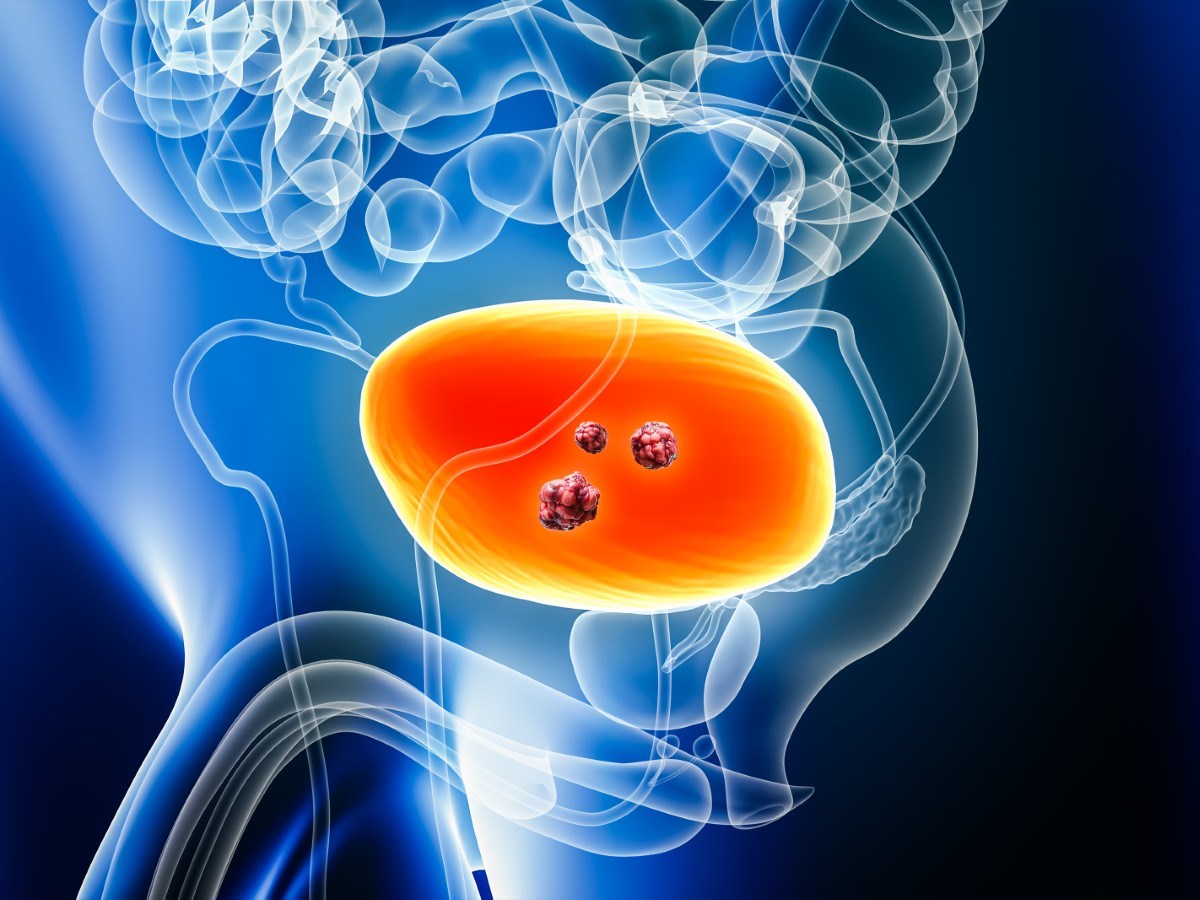
A newly developed urine test could identify people with bladder cancer more accurately than current diagnostic methods, researchers have found.
A team at Stanford University developed the uRARE-seq test, which they say will also allow physicians evaluate the impact of cancer treatment and could even help them understand which patients will respond best to different treatment options.
The study was published in the journal Nature Medicine on October 2.
Just under 85,000 people in America are diagnosed with bladder cancer each year, according to the American Cancer Society. Current methods of diagnosis—which can involve an endoscope going into the bladder—may miss around 30 percent of cases, the researchers said.
"This could lead to earlier detection of disease, better monitoring for recurrence as well as select better treatments for patients who are already diagnosed," Dr. Daniel Petrylak, a professor of medicine and urology at Yale University, told Newsweek.
The newly developed test will measure RNA messages released by tumor cells into a patient's urine, instead of checking for cancer-related mutations in DNA, which is what most blood and urine liquid biopsies do.
RNA is a complex compound that replaces DNA as a carrier of genetic codes in some viruses. One of the most commonly studied types of RNA is messenger RNA (mRNA), which, along with many other types of RNA, plays important roles in both normal cellular processes and diseases. Some types of RNA have been found to be capable of regulating cancer-associated genes in ways that facilitate tumor development.
By checking RNA, it could mean the test will pick up on what genes a cancer cell is using, which gives clinicians an idea of a tumor's behavior.
"RNA analysis is a promising approach for diagnosing bladder cancer since it not only allows detection of bladder cancer but can also indicate how aggressive a tumor is and what the best treatment for a given patient might be," senior author of the study, Dr. Maximilian Diehn, a professor of radiation oncology at Stanford University, told Newsweek.
The team reviewed almost 700 urine samples, gathered from both cancer patients and healthy participants, and said the test was able to spot cancer indication correctly in 95 percent of people with the disease, while effectively identifying those who did not have the disease—it was correct 90 percent of the time.
Diehn said this meant they found that RNA analysis "can outperform alternative urine tests including cytology (i.e. looking for intact cancer cells in the urine) or looking for DNA from tumors."
He also said that the test can detect "even the earliest and least aggressive types of bladder cancers"—such as non-muscle invasive bladder cancers, which have not yet invaded into the wall of the bladder.
"It is possible that the test could enable earlier diagnosis, although more clinical studies will be required to prove that," he said.
Not only did the test effectively identify cancerous cells in patients' urine, but it was also able to spot residual disease following surgery and BCG immunotherapy, the researchers said.
BCG (or Bacillus Calmette-Guérin), the bacteria used in tuberculosis vaccines, is given to patients who have undergone surgery to remove a tumor, as a weakened strain, via a catheter once a week for six weeks, although treatment can be extended.
For some patients, the strain of bacteria stimulates the immune system to destroy lingering cancer cells, but this does not work for everyone, and the problem is, it is currently very difficult to determine how patients will respond to the treatment.
However, the researchers found that it was the patients who had RNA messages rich in genes involved in T-cell and immune-signaling activity in their urine before treatment who responded to BCG. Meanwhile, those who had signs of rapidly dividing tumor cells didn't respond to the treatment.
"These findings are significant as identification of T-cell signatures in urine which predict BCG response could help to select those patients who are unresponsive to BCG, thus identifying patients who may need alternative treatments," Petrylak said. "Thus these patients could be treated with more intense immunotherapies, or alternative chemotherapies."
Dr. Dan Theodorescu, director of the University of Arizona Cancer Center, told Newsweek that the "most notable aspect of this work is not simply that it detects bladder cancer, but that it may capture information about tumor biology and immune activity from a urine sample."
"The findings are promising, but the critical next step will be rigorous comparison against existing DNA-, RNA-, and protein-based urine tests in independent prospective studies before we can determine its ultimate place in clinical practice," he added.
As BCG is manufactured by one global supplier, the researchers said that shortages can result in clinicians having to ration supply among patients. This new test could potentially enable doctors to save supply for those who are more likely to benefit from it, while getting others onto chemotherapy sooner.
"There are currently no biomarkers at all that are recommended or approved for surveillance. These treatments are incredibly taxing—physically and financially,” senior study author Dr. Joseph Liao, and chair of the department of urology at Stanford University, said. "If we can guide those choices, we have the potential to help both patients and clinicians."
Diehn also said that the team "presented early evidence that urine RNA analysis may be useful for other genitourinary cancers, such as kidney and prostate cancers."
"Therefore, our results could ultimately have broad implications. Importantly, our findings will need to be replicated in future studies before the test could be used routinely in the clinic," he said.
Diehn, M, Liao, J, Alizadeh, A, Liu K et al. (2026) Urine test may improve bladder cancer diagnosis and guide treatment decisions. Nature Medicine. DOI https://doi.org/10.1038/s41591-026-04673-3