Scrapping PSLE or DSA could create new pressures, send wrong signals: David Neo - CNA
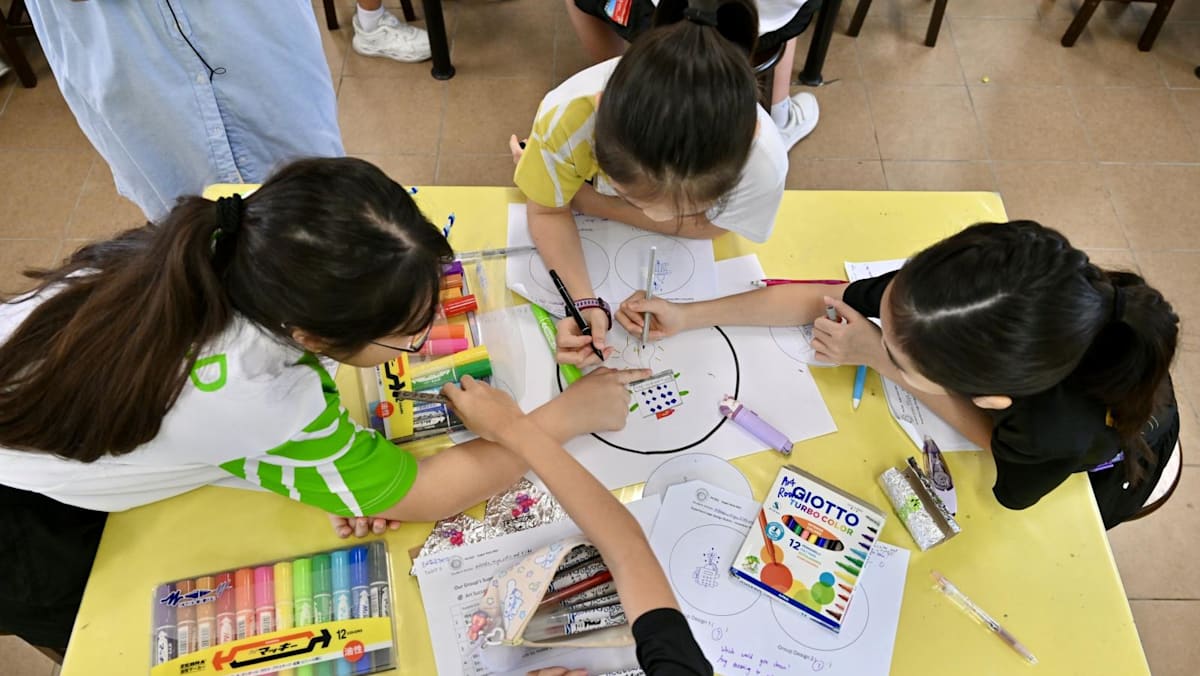
The education ministry will study public feedback on the primary-to-secondary school transition, where young students face the "most acute" pressure, says Second Minister for Education David Neo.
Students in a classroom at Oasis Primary School on Jul 8, 2025. (File photo: CNA/Jeremy Long)
This audio is generated by an AI tool.
Ang Hwee Min 29 Sep 2026 05:07PM (Updated: 30 Sep 2026 10:36AM) Bookmark Bookmark Share WhatsApp Telegram Facebook Twitter Email LinkedIn Set CNA as your preferred source on Google Add CNA as a trusted source to help Google better understand and surface our content in search results. Read a summary of this article on FAST. Get bite-sized news via a newcards interface. Give it a try. Click here to return to FAST Tap here to return to FAST FAST SINGAPORE: Removing the Primary School Leaving Examination (PSLE) or Direct School Admission (DSA) could shift pressure elsewhere and send the wrong signals, Second Minister for Education David Neo said on Tuesday (Sep 29).
For instance, a through-train model that skips the PSLE could shift competition to Primary 1 admission, and reduce students’ ability to choose a secondary school that suits the interests and needs they develop later.
Scrapping the DSA programme entirely could send the pressure back to the PSLE and wrongly signal that only academic results matter, he said.
Speaking at the 2026 Institute of Policy Studies forum, Mr Neo said the Ministry of Education (MOE) will look at the parts of the system that fuel the education "arms race" the most, including the transition from primary to secondary school.
CNA Games Guess Word Crack the word, one row at a time Buzzword Create words using the given letters Mini Sudoku Tiny puzzle, mighty brain teaser Mini Crossword Small grid, big challenge Word Search Spot as many words as you can Show More Show Less Young students face the "most acute" pressure at this stage, he said, noting that the PSLE and DSA often come up in the ministry's engagements with the public.
Mr Neo cited a recent study which found that parents want a broader, more holistic education for their children. It also showed that parental stress has increased, with families spending more time and money on tuition and enrichment.
Many parents want to raise well-rounded children without optimising every decision for the next academic milestone, he said.
“How, then, can our education system assure parents that holistic development need not come at the expense of success – especially where the stakes feel highest?”