Senate faces final test on Lula’s fiscal adjustment bill - Valor International
Brazil’s Senate is expected to complete voting on Tuesday (17) on a fiscal adjustment bill that could affect federal finances by up to R$60 billion in 2027, with lawmakers set to decide whether to retain provisions restricting tax-credit offsets and allowing the government to delay transfers to states and municipalities. The Senate approved the bill’s main text by 45 votes to 31 on Thursday (12). Still, four opposition-backed proposals to amend specific provisions remain to be considered.
Several public finance experts consider the package proposed by President Lula’s administration insufficient to address Brazil’s fiscal imbalance. Government supporters and sections of the left, meanwhile, have criticized the proposal, arguing that the political platform endorsed by voters did not include fiscal austerity measures.
Despite the resistance, Senate leader Teresa Leitão, of the Workers’ Party, believes the administration can defeat the proposed changes.
“We’re counting our votes, and I believe we will have enough,” she told Valor.
Three of the four proposed changes will require the government to secure at least 41 votes—an absolute majority of the 81-member Senate—to preserve the original bill. In Thursday’s vote, the government won 45 votes, just four more than the minimum needed to approve the legislation.
Senator Jaques Wagner, a former Senate leader who introduced the bill, was more cautious about the prospects of defeating the proposed changes.
He also noted that the legislation must still pass through the Lower House before being sent to the president for signature. The Lower House could make further changes or restore provisions senators removed.
The four proposals under consideration could affect the following measures.
The main proposed change, backed by senators with ties to the business community, seeks to remove a provision restricting the use of tax credits to offset liabilities arising from different taxes.
Senator Alan Rick, of the Republicans party, who introduced the proposal, said he intends to maintain it.
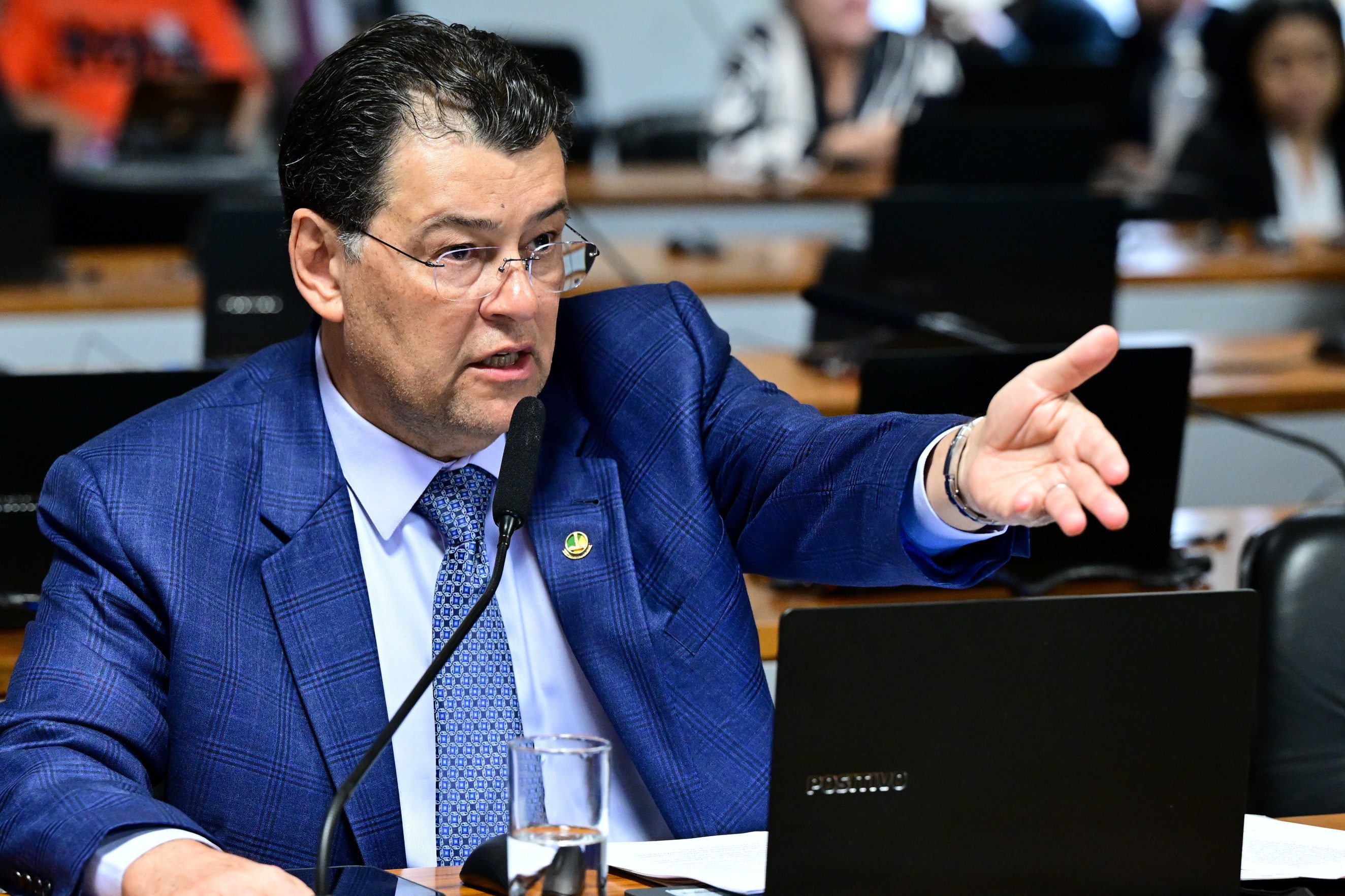
The bill’s rapporteur, Senator Eduardo Braga, disputed claims on Monday (16) that the legislation would eliminate tax-credit offsets altogether.
Braga said the restrictions would apply only when credits accumulated under one tax are used to settle liabilities arising from another.
“Any PIS/Cofins credits I have can be used without limit to pay PIS/Cofins,” he said, referring to two federal taxes on corporate revenue. He explained that companies had previously been able to use accumulated credits to pay other tax obligations.
Federal Revenue Secretary Robinson Barreirinhas made a similar point, stressing that the measure would not prevent credits under the new federal Contribution on Goods and Services (CBS), created by Brazil’s consumption tax overhaul, from being used to offset liabilities under the same tax.
Another proposed change, introduced by the Liberal Party, seeks to remove a provision that allows the federal government to postpone R$12 billion in transfers to states and municipalities between 2027 and 2030.
Under the bill, those payments could instead be spread over subsequent years, through 2037.
A third proposal calls for a separate vote on a provision stating that the bill’s changes would not create future obligations for the federal government or adversely affect benefits already granted under existing legislation.
A fourth proposal calls for a separate vote on an amendment introduced by Senator Rogério Marinho, of the Liberal Party.
The amendment would reduce the ceiling on inflation-adjusted spending growth from 2% to 0.6% for expenditure restrictions during budget execution.
It would also eliminate a provision allowing up to R$10.5 billion in diesel subsidies to be excluded from the calculation of the government’s 2026 primary fiscal target.
Marinho’s amendment would additionally remove changes to transfers under the Kandir Law, which provides compensation to states linked to the tax treatment of exports, as well as the provision restricting tax-credit offsets.
(Giordanna Neves and Mariana Andrade contributed to this report.)
This article was translated from Valor Econômico using an artificial intelligence tool under the supervision of the Valor International editorial team to ensure accuracy, clarity, and adherence to our editorial standards. Read our Editorial Principles.