
Seven-year wait for clean air bill nears end - Bangkok Post
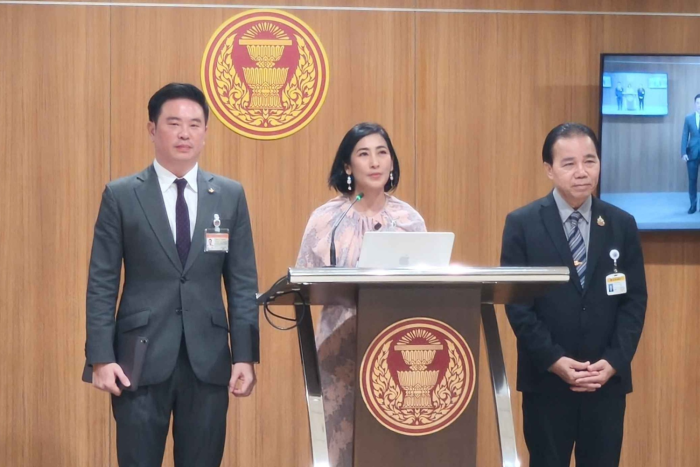
Karndee Leopairote, a spokesperson for the joint parliamentary committee considering the clean air bill, delivers a progress update on Nov 18, 2026. (Photo: Thai Parliament Radio and Television) Thailand’s long-awaited clean air bill is moving closer to becoming law after seven years of advocacy, with a parliamentary review committee preparing to submit the legislation to the House of Representatives on Nov 25.
The joint committee considering the bill completed its review and reached agreement on all provisions at a meeting on Tuesday, said spokesperson Karndee Leopairote, a Democrat Party deputy leader.
The bill is expected to be tabled in the House on Nov 25, while the Senate aims to complete its consideration and approval by Nov 30. If both chambers approve, it will be submitted for royal endorsement before being published in the Royal Gazette and taking effect.
Chakrapol Tangsutthitham, deputy chairman of the committee, said the legislation had taken seven years to develop and was the first of its kind to recognise the right to clean air, extending protection to unborn children.
MPs and senators had reached a common understanding on the legislation, the Pheu Thai MP said, expressing confidence that it could pass during the current parliamentary session that is scheduled to end on Dec 22.
The bill also establishes environmental and clean air funds to support implementation and help Thailand work towards World Health Organization (WHO) air quality standards.
Under the “polluter pays” principle, emitters will be required to pay fees, fines or compensation into the Clean Air Fund for mitigation, health support and research.
The committee has outlined five key recommendations to ensure effective enforcement. They include preparing local administrative organisations through staff training, expanding private-sector representation on an oversight committee to include small and medium-sized enterprises, and integrating the bill with other relevant legislation, particularly the Pollutant Release and Transfer Register (PRTR) system.
The recommendations also call for stronger cooperation with neighbouring countries to address transboundary pollution, with the Ministry of Foreign Affairs taking the lead in diplomatic coordination alongside the Ministry of Natural Resources and Environment.
The committee further stressed that economic instruments, including pollution fees and fines, should be carefully designed to ensure they are effective without undermining the competitiveness of domestic industries.

