Shingles plummets among younger adults but is mysteriously rising in another group
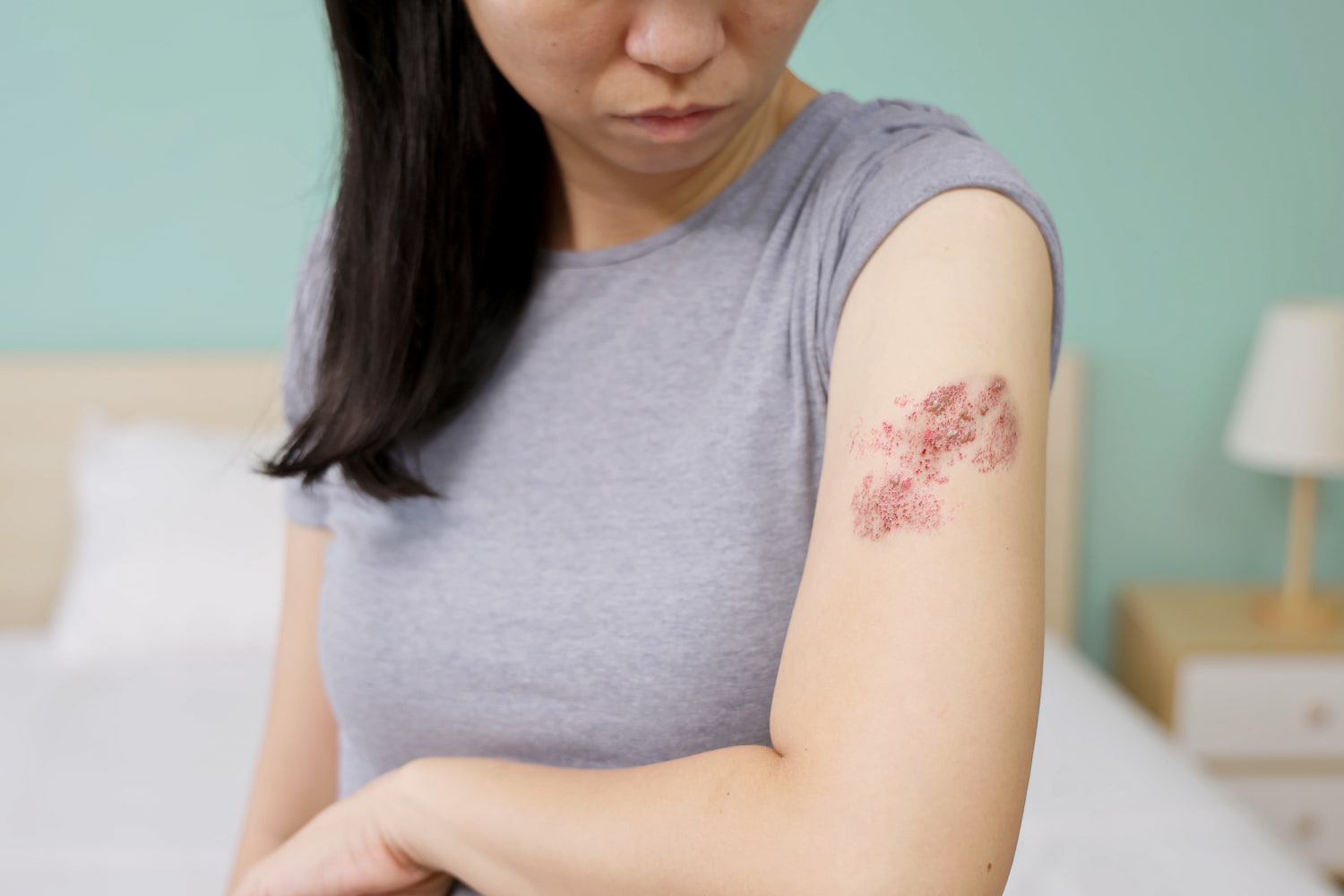
New data suggests that people ages 34 and younger may be less likely to develop shingles than previous generations. PonyWang / GettyShareAdd NBC News to GoogleOct. 2, 2026, 5:00 AM EDTBy Kaitlin SullivanThe chickenpox vaccine appears to protect against shingles, according to a large new analysis.
Anyone who got infected with chickenpox as a child is at risk of later developing shingles, a painful, blistering rash that usually appears on one side of the body. For unknown reasons, cases of shingles have been gradually rising, even among younger adults, research has shown.
However, new data suggests that a steep decline in chickenpox cases over the last three decades, thanks to the chickenpox vaccine, may contribute to a decline in shingles in the coming years.
New data suggests that people ages 34 and younger may be less likely to develop shingles than previous generations. That’s because they are more likely to have been vaccinated against the varicella zoster virus, or chickenpox, which can reactivate years later as shingles.
“Our data suggest that trend is now reversing in the very youngest adults, the first generation eligible to be vaccinated against chickenpox as children,” said registered nurse Kersten Bartelt, lead author of the report from Epic Research, which conducts research on health trends.
Epic researchers used electronic health data from more than 85 million patients seen by healthcare providers in the United States. They logged shingles diagnoses between 2019 and 2026 and how many cases occurred in different age groups.
It’s a promising development, though because shingles is typically rare in people younger than 50, the data can’t prove whether the protection will last as they age, Bertelt said.
FOR SUBSCRIBERSCornell rape allegation pushes embattled New York prosecutor into national spotlightFOR SUBSCRIBERSJudge guts noncitizen voting law used in Trump administration’s election pushFOR SUBSCRIBERSTrump to campaign in at least 17 states ahead of the midtermsFOR SUBSCRIBERSThe prosecutor at the center of the Cornell maelstromFOR SUBSCRIBERSIt’s rarely been harder for people to find new jobsFOR SUBSCRIBERSCBP leaders cut out of Trump ad buy decisionFOR SUBSCRIBERSAmerican passenger drafted goodbye texts to her family as Flydubai plane plummetedFOR SUBSCRIBERSAbdul El-Sayed tries to woo MAHA voters as Democrats seek inroads with RFK’s supportersFOR SUBSCRIBERSKratom-like substances are popping up in a typically benign supplementFOR SUBSCRIBERSGOP super PAC increases its spending for Sen. Jon Husted in tough Ohio raceFOR SUBSCRIBERSRecords reveal tumultuous marriage between slain New York Times executive and wifeFOR SUBSCRIBERSFrom clean energy warrior to ‘wall of shame,’ James Talarico reverses on a fossil fuel money pledgeFOR SUBSCRIBERSCongressional staff planned official trip with luxury stops in Italy and France weeks before electionFOR SUBSCRIBERSA harrowing ordeal aboard an Israel-bound planeFOR SUBSCRIBERSOpenAI CEO Sam Altman to skip congressional hearing on rogue AI agentsStill, the new data suggests potential lifelong benefits of chickenpox vaccination.
The Food and Drug Administration approved the first chickenpox vaccine in 1995, when it was added to the childhood vaccination schedule. In 1997, states began requiring it for school and daycare. The Centers for Disease Control and Prevention currently recommends two doses of the varicella vaccine for children from ages 1 to 6.
Since then, infections have plummeted by 97%, according to the CDC. A type of herpes virus that once killed as many as 150 children a year, chickenpox has been virtually wiped out by vaccination, experts say.
“People who have had the chickenpox virus have a higher risk of developing shingles,” said Dr. Sharon Curhan, a physician and epidemiologist at Brigham and Women’s Hospital and Harvard Medical School in Boston, who was not involved in the study. “People who got the vaccine, while they could get shingles, are at much lower risk.”
The Epic data also showed that rates of shingles are rising among people 35 and over, who are more likely to have had the chickenpox infection as children.
FOR SUBSCRIBERSCornell rape allegation pushes embattled New York prosecutor into national spotlightFOR SUBSCRIBERSJudge guts noncitizen voting law used in Trump administration’s election pushFOR SUBSCRIBERSTrump to campaign in at least 17 states ahead of the midtermsFOR SUBSCRIBERSThe prosecutor at the center of the Cornell maelstromFOR SUBSCRIBERSIt’s rarely been harder for people to find new jobsFOR SUBSCRIBERSCBP leaders cut out of Trump ad buy decisionFOR SUBSCRIBERSAmerican passenger drafted goodbye texts to her family as Flydubai plane plummetedFOR SUBSCRIBERSAbdul El-Sayed tries to woo MAHA voters as Democrats seek inroads with RFK’s supportersFOR SUBSCRIBERSKratom-like substances are popping up in a typically benign supplementFOR SUBSCRIBERSGOP super PAC increases its spending for Sen. Jon Husted in tough Ohio raceFOR SUBSCRIBERSRecords reveal tumultuous marriage between slain New York Times executive and wifeFOR SUBSCRIBERSFrom clean energy warrior to ‘wall of shame,’ James Talarico reverses on a fossil fuel money pledgeFOR SUBSCRIBERSCongressional staff planned official trip with luxury stops in Italy and France weeks before electionFOR SUBSCRIBERSA harrowing ordeal aboard an Israel-bound planeFOR SUBSCRIBERSOpenAI CEO Sam Altman to skip congressional hearing on rogue AI agentsThere’s no clear evidence for what’s causing the rise in this group, but, ironically, it could be linked to the near elimination of the varicella zoster virus, experts say.
“Before the vaccine was available, parents in their 20s, 30s, 40s, and grandparents, were exposed to younger children with chickenpox, so that was like a booster for them,” Curhan said.
Other potential causes are higher rates of chronic stress, depression and anxiety, as well as autoimmune diseases, which weaken the immune system, Curhan said.
Both shingles and chickenpox usually clear up on their own within a couple of weeks, although the virus that causes both infections can cause serious complications, said Dr. Anne Gershon, a professor emeritus of pediatrics at Columbia University medical school, who was not involved in the research.
The most common is severe long-term nerve pain, a condition called postherpetic neuralgia. If a shingles outbreak occurs close to the eye, it can cause blindness, Bartelt said.
Shingles infections have also been linked to a 20% higher risk of cognitive decline — potentially because the virus can reactivate in the head rather than cause a skin rash, said Gershon — as well as increased risk of stroke and heart disease.
Kaitlin Sullivan is a contributor for NBCNews.com who has worked with NBC News Investigations. She reports on health, science and the environment and is a graduate of the Craig Newmark Graduate School of Journalism at City University of New York.