SIR row: 728 of 729 voter names cut from Delhi's Bela Estate? Here's what we found
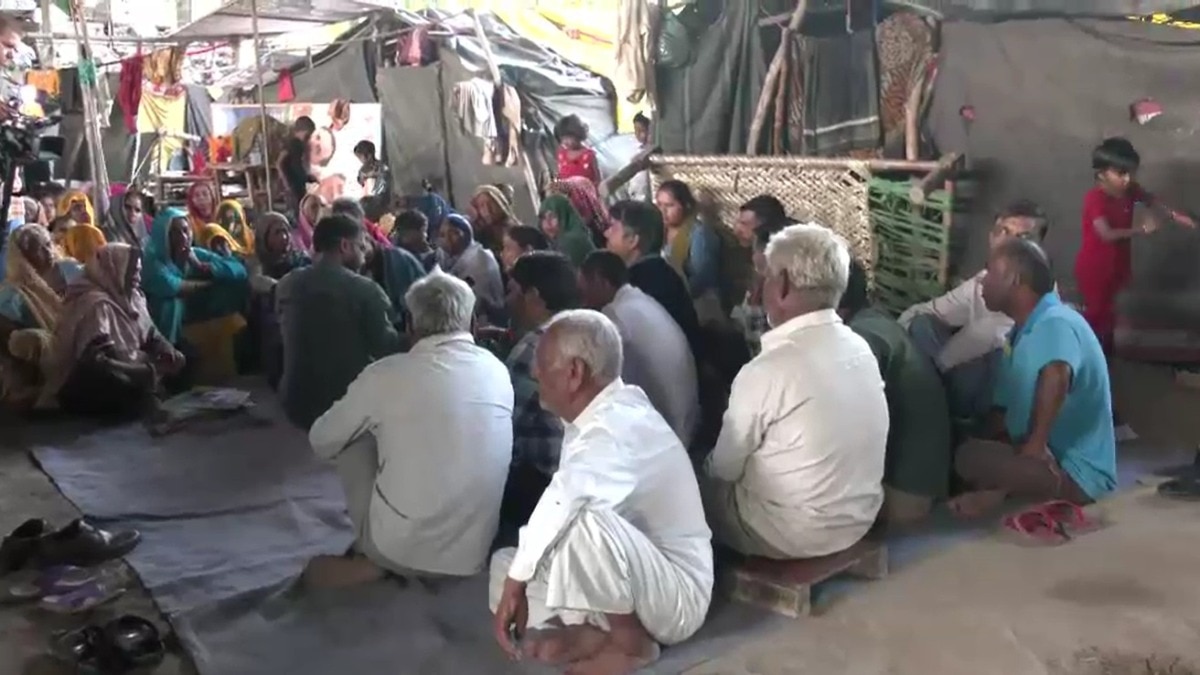
Rahul Gandhi’s visit to Delhi’s Bela Estate has brought the deletion of voters from the area’s electoral rolls under the Special Intensive Revision (SIR) exercise back into focus, with Congress alleging that 728 of the 729 registered voters were removed. However, an India Today ground report from the area presents conflicting accounts about the voters and the verification process.
The controversy came to the fore after Congress leader Mudit Agarwal flagged the alleged deletion of the voters and Rahul Gandhi visited Bela Estate.
The Congress MP described the case as a "classic example of vote chori". Congress has questioned how such a large number of names could have been removed from a single locality.
A visit by the India Today team to the area, however, showed that Bela Estate is not a conventional residential settlement. The location lies in the riverbed and has seen demolition and eviction drives in the past.
People currently live in makeshift shanties under a bridge, with limited access to basic facilities, including electricity and water.
Several residents who spoke to India Today disputed the suggestion that they had no connection with the area. They produced old voter identity cards and copies of earlier electoral rolls to support their claims.
Some residents said their names, as well as those of their fathers, had appeared in electoral records for several years. Others claimed to have lived in the area for decades.
The residents also showed documents relating to their voter registrations and forms submitted during the SIR process. The documents accessed by India Today mention the address as "Agriculture JJ Bela Estate".
However, the forms do not carry specific house numbers or clearly identifiable landmarks, raising questions about how individual addresses could be physically verified.
The local Booth Level Officer (BLO), meanwhile, gave a sharply different account of the situation.
According to the BLO, when she was assigned the area, she visited the addresses recorded in the previous electoral rolls. She said she found neither houses nor people at the listed locations and described the area as a secluded forest stretch.
The BLO further alleged that makeshift structures were put up during the SIR exercise to establish a physical presence and facilitate voter registration.
She described the structures as "decoys" and claimed some were erected overnight. According to her, she followed the prescribed verification process and informed senior officials about her findings.
The BLO also said she has video evidence of her visits to the addresses mentioned in the electoral records and that the footage was shared with senior officials. Her account forms the basis for the deletion of the names, which Congress has challenged as “vote chori”.
The residents’ accounts and documents, on the other hand, raise questions about whether their long-standing presence in the area and earlier voter records were adequately considered during the verification exercise.
The dispute now centres on how the 728 names were verified and what evidence was relied upon before they were removed from the electoral rolls.
With competing claims from residents, Congress and the BLO, the next focus is likely to be on the official verification records and the evidence submitted by election authorities to establish the basis for the deletions.- Ends
Rahul Gautam is a journalist working as Principal Correspondent in India Today. He has over 8 years of hands-on experience in TV, print and digital media. Rahul covers politics, policy, culture and human interest stories. In quest of stories, Rahul has travelled across the length and breadth of the country. He has also travelled to Hungary, Poland and Ukraine in pursuit of news stories. Rahul likes history, travelling and exploring new cultures/customs.