Six Flags Shutters X2: Roller Coaster Closed Over Safety Concerns - Newsweek
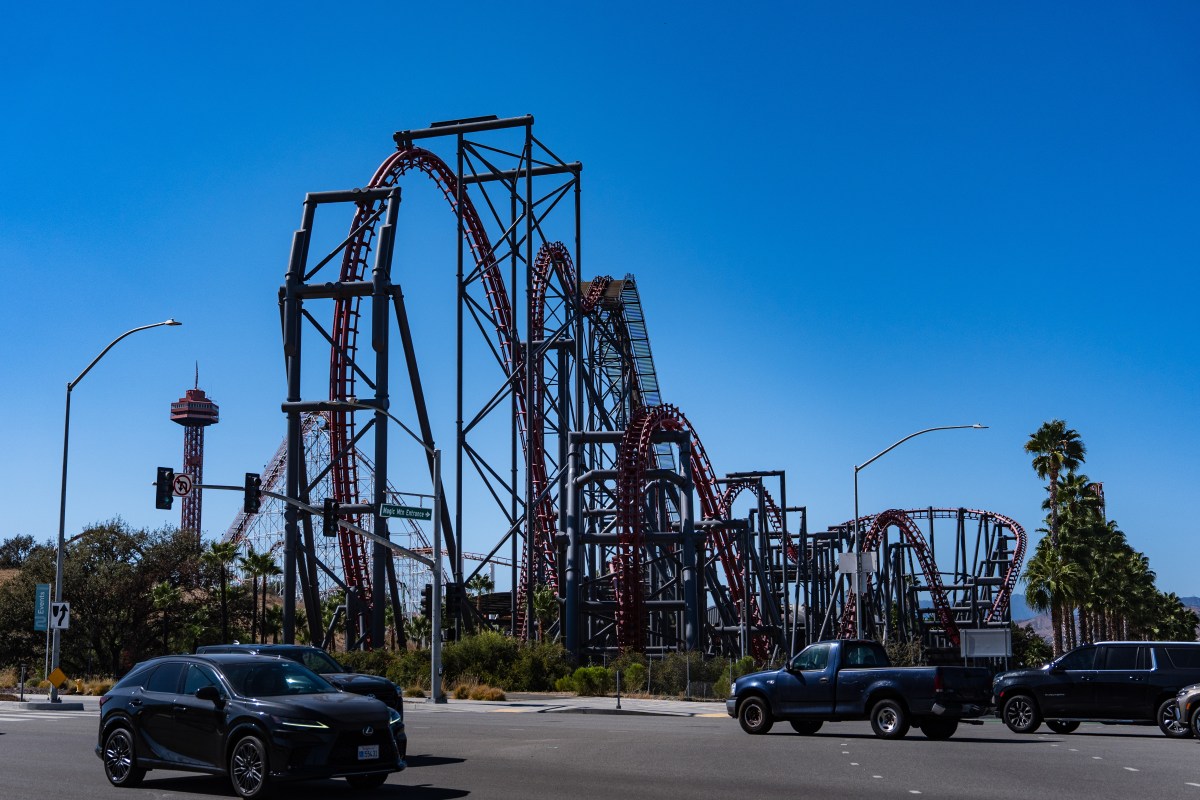
Six Flags Magic Mountain has permanently closed its iconic X2 roller coaster, ending the run of one of the amusement park industry's most celebrated and controversial attractions amid renewed scrutiny over rider safety.
The California theme park operator announced Tuesday that X2 will not reopen, roughly a month after reports highlighted a history of serious injuries and fatalities linked to the ride. In a message to guests, Six Flags Magic Mountain President Brian Oerding said the coaster had carried more than 16 million riders since opening in 2008 and developed a devoted following among thrill-seekers.
"While X2 consistently passed a multitude of safety tests, we have decided to close the ride because we believe it's the right thing to do," Oerding said. "Ride safety is a cornerstone of our business, and when we see guest confidence affected, we take it seriously."
Newsweek reached out to Six Flags via email for comment on Tuesday afternoon.
The decision marks the end of a marquee roller coaster that has long served as one of Six Flags Magic Mountain's signature attractions. Known for its rotating seats and extreme maneuvers, X2 was billed as a "fourth-dimension" coaster, giving riders the sensation of flipping independently of the track below.
The closure follows heightened attention on the ride after reports detailed a number of incidents involving riders over the years, including brain hemorrhages, emergency surgeries, permanent disabilities and deaths.
In his statement, Oerding emphasized that X2 had continued to pass safety reviews throughout its operation. However, he suggested that public perception played a role in the company's decision.
"Our purpose is to create fun, thrills and a lifetime of memories by creating unforgettable experiences that are underpinned by comprehensive safety policies," Oerding said.
Six Flags did not immediately announce what will replace the ride or when work to remove the attraction might begin.
The ride closed on July 12 as California regulators investigated, while the theme park also defended lawsuits alleging X2 caused catastrophic brain injuries, including the death of a 22-year-old rider whose family claims the coaster's design was dangerously defective.
The theme park announced on Tuesday that the ride would not reopen.
The closure of X2 followed two severe brain injury incidents that occurred within days of each other in July.
Pamela Guillen of Hawaii, 40, lost consciousness shortly after riding X2 during a family vacation and was rushed to the hospital, where doctors diagnosed a severe subdural hematoma and brain compression, CNN reported. She underwent emergency brain surgery and spent two weeks in a coma before beginning a lengthy recovery that has included relearning how to walk and talk.
Later in July, Naomi Greer-Wilkinson, a 25-year-old from Los Angeles, rode the same coaster and lost consciousness. She was taken to the hospital for emergency brain surgery.
Despite the closure of X2, researchers generally consider serious roller coaster injuries to be rare. A 2019 review published by Neurology Advisor noted that roughly 300 million people ride roller coasters in the United States each year, while hospitalization and death rates associated with amusement park rides remain relatively low. Researchers found that although neurological injuries such as subdural hematomas, strokes and intracranial bleeding have been documented in medical literature, they typically appear as isolated case reports rather than widespread occurrences.
Over 20 years, from 1990 to 2010, an average of 4,423 children in the U.S. went to the emergency room each year "for treatment of injuries resulting from amusement park rides," the study found. The average age of the injured children was 8 years old. Common injuries involved the head and neck and soft tissue injuries. In most cases, the injuries occurred when the child fell off, on, in, or against a ride.
Hospitalization rates are much lower, at 1.5 percent annually, and deaths were documented at 4.5 per year, according to the study.
X2 is not the first roller coaster to permanently close after injury reports. Similar instances have occurred at other rides.
For example, the Big Dipper, a roller coaster at the Battersea Park Funfair in London, closed in 1972 after an accident killed five children and injured 13 other people.
The Wildcat, a wooden roller coaster at Bell's Amusement Park in Oklahoma, closed in 1997 after a teenage boy was killed and six others were injured when the ride malfunctioned, sending one of its cars rolling back into another.
Son of Beast, a popular wooden roller coaster at Kings Island in Ohio, injured more than two dozen people in 2006 after a structural problem. Three years later, Kings Island closed the ride after a woman reported a brain injury after riding the roller coaster. The ride was demolished in 2012.
Contact Newsweek editors on this story: Dave Siminoff and Sam Wilson.