“Small Spending” Among the Middle Class: A Sign of Purchasing Power or a Survival Strategy?
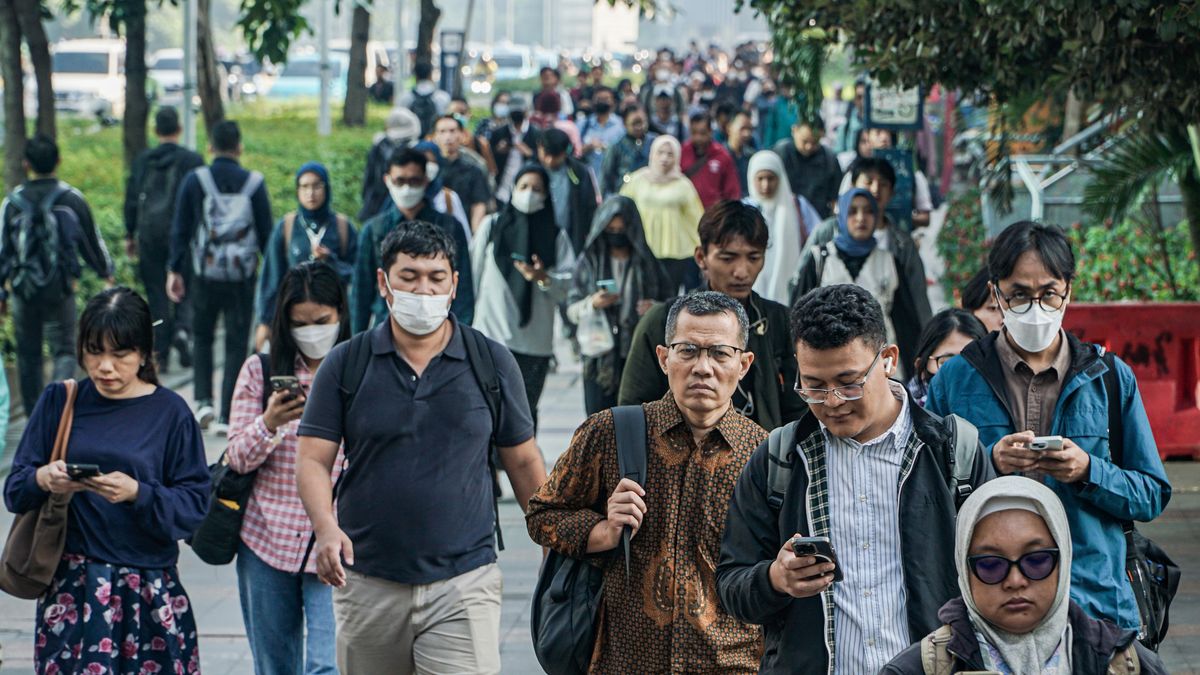
“Small Spending” Among the Middle Class: A Sign of Purchasing Power or a Survival Strategy?
JAKARTA, KOMPAS.com - The rise in non-subsidized fuel prices during 2026 and the disbursement of social assistance (bansos) in the third quarter of 2026 have created two distinct economic conditions.
The increase in fuel prices has squeezed household spending, while the disbursement of social assistance has provided additional funds for recipient communities.
However, these contrasting conditions have led to a similar consumption pattern, with people still setting aside money for small purchases that bring joy or entertainment amid economic pressures.
Among the middle class, higher fuel prices have pushed people to hold back on spending, especially on high-value needs.
Nonetheless, this saving does not equate to a total halt in consumption. People continue to maintain small expenses on food, beverages, or snacks as a relatively affordable form of entertainment.
Meanwhile, lower-income groups have received additional household funds through the Family Hope Program (PKH) and Non-Cash Food Assistance (BPNT) or staple food aid distributed between July and September 2026, starting in July.
As some basic needs are met, some of this budget can flow into small-scale consumption.
Thus, both cost pressures and additional social assistance income equally foster a pattern of “small spending,” albeit stemming from different backgrounds.
Executive Director of the Center of Economic and Law Studies (Celios), Bhima Yudhistira, said the lower middle class is currently under dual pressure.
This mainly arises from rising food prices and surges in non-subsidized fuel prices. Meanwhile, the social protection budget still focuses on the lowest income deciles.
“The issue now is that the lower middle class is facing double pressure, especially from rising food prices already being felt and nonsubsidized fuel prices. Meanwhile, social protection spending still targets the lowest deciles,” Bhima told Kompas.com on Saturday (19/9/2026).
The pressure worsens as global crude oil prices exceed 100 US dollars per barrel, while the subsidy quota is deemed insufficient through the end of the year.
The middle class also faces challenges from natural disasters that hamper productivity. Forest and land fires (karhutla), earthquakes, and flood recovery efforts in Sumatra are considered not yet optimal.
Moreover, grouping aid recipients by deciles based on the National Socio-Economic Single Data (DTSEN) has introduced new challenges.
Some people who previously received subsidies or social assistance are now excluded from recipient groups.
“Now there are about 145 million people approaching the middle class—still not quite middle class but excluded from various social assistance,” said Bhima.
These economic pressures have shifted people's consumption behavior.
According to Bhima, people now focus more on meeting primary or essential needs and reduce purchases of secondary goods.
Items increasingly cut back include motor vehicles and household appliances such as air conditioners and refrigerators.
However, amid tightened spending, the middle class exhibits a different phenomenon.
While cutting secondary spending, some still allow room for tertiary consumption in the form of small entertainment expenses.
Such consumption includes going to the cinema, attending music concerts, buying coffee at cafes, and purchasing premium sports equipment.
Economically, tertiary needs are typically addressed after primary and secondary needs are met. But current conditions reveal a different pattern.
Tertiary consumption as small-scale entertainment serves as a coping mechanism for the middle class to handle economic pressure.
With limited funds, people still seek ways to enjoy entertainment.
Some even resort to online loans to support these expenditures. Online credit, including paylater options, reached Rp 105 trillion by July 2026.
Most of these loans are allocated for goods and services consumption rather than productive activities.
VISUAL DIBUAT DENGAN AI The fragile middle class phenomenon is drawing increased attention amid Indonesia's economic dynamics.