
Snake encounters rise as urban sprawl squeezes natural habitats
Direct Source Verification:
This story is aggregated from The Express Tribune (tribune.com.pk). Full reporting rights and copyright belong to the primary publisher.
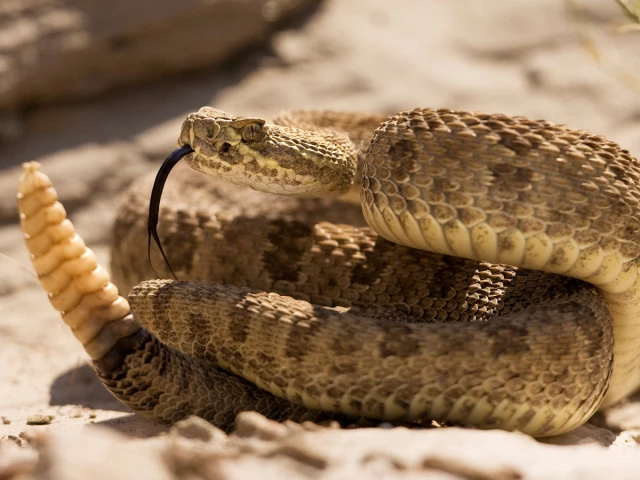
Punjab recorded 1,070 snakebite emergency cases in the first eight months of 2026, with six deaths reported
Lahore and other major cities across Punjab are witnessing increasing encounters between people and snakes, with 1,070 snakebite-related emergency cases reported across the province during the first eight months of 2026. Experts believe monsoon rains, urban expansion, and the shrinking of natural habitats are bringing snakes and people into closer contact.
Punjab Emergency Services data shows that 1,070 snakebite-related emergency cases were reported between January 1 and August 31, involving 1,060 people. The victims included 614 men and 446 women. Rescue officials provided first aid to 64 people at the scene, while 990 were shifted to hospitals for further treatment. Six people died during the period.
Dera Ghazi Khan recorded the highest number of cases, with 164 incidents involving 162 people and one death. Rajanpur reported 100 cases, followed by Bahawalpur with 50, Mianwali 41, Multan 38, Taunsa Sharif 37, and Jhang and Bhakkar with 35 each.
One death each was reported in Lahore, Rawalpindi, Sargodha, Dera Ghazi Khan, Khanewal and Sheikhupura.
Badr Munir, a member of the Punjab Captive Wildlife Management Committee and a wildlife expert, said at least 41 snake species had been recorded in Punjab, including five venomous and 36 non-venomous species. Venomous species include the cobra, common krait and Russell’s viper. He said the number varies slightly across different studies.
Fahad Malik, founder of the Mission Awareness Foundation and a wildlife expert, said urban expansion and the increasing use of pesticides and fertilisers in agricultural areas were affecting the food supply of snakes, including cobras.
He noted, however, that the population of sangchoor (common krait) appeared to be increasing. According to Malik, cobras are generally active during the day and spread their hoods when confronted by humans, while sangchoor are active at night and their bites can be particularly dangerous.
Abid Latif Sandhu, an environmental expert at the Ravi Urban Development Authority, said last year’s major flooding of the Ravi had brought water into areas that had remained dry for a long time, forcing large numbers of snakes out of their burrows.
He said the use of pesticides in agricultural areas had also affected populations of insects and small birds, reducing the availability of food and disrupting the natural balance on which snake populations depend.
The growing presence of snakes around populated areas highlights the broader impact of changes to natural habitats. Experts say the issue is not simply about controlling snakes but also about managing the conditions that bring them into closer contact with people.
The World Health Organisation (WHO) estimates that between 4.5 million and 5.4 million people are bitten by snakes globally each year. Of these, between 1.8 million and 2.7 million suffer venomous effects, while between 81,000 and 138,000 die. Pakistan is estimated to record around 40,000 snakebites annually, although the actual figure may be higher because of under-reporting.
According to Lahore General Hospital, 10 people were brought to the facility after snakebites in August, the first month of the monsoon rains. The patients were from areas around Lahore as well as Kasur and Okara. All were provided anti-snake venom in time.
Although Pakistan has produced anti-snake venom locally through the National Institutes of Health (NIH), Islamabad, since 1967, its production does not fully meet demand, so imported anti-venom is also used.
As snake encounters increase near settlements, experts stress prevention alongside treatment. Protecting habitats, reducing harmful agricultural chemical use, raising public awareness and ensuring reliable anti-venom supplies could help.
For Punjab, the challenge is managing growing contact between wildlife and expanding human settlements.
Original Source
https://tribune.com.pk/story/2629099/snake-encounters-rise-as-urban-sprawl-squeezes-natural-habitats

