Somalia's president accuses UAE of internal 'interference,' backing armed groups - Middle East Eye

Somalia's president accused the United Arab Emirates of "interference" in his country's internal affairs, and alleged Abu Dhabi was backing armed groups and fuelling divisions between the federal government and regional administrations.
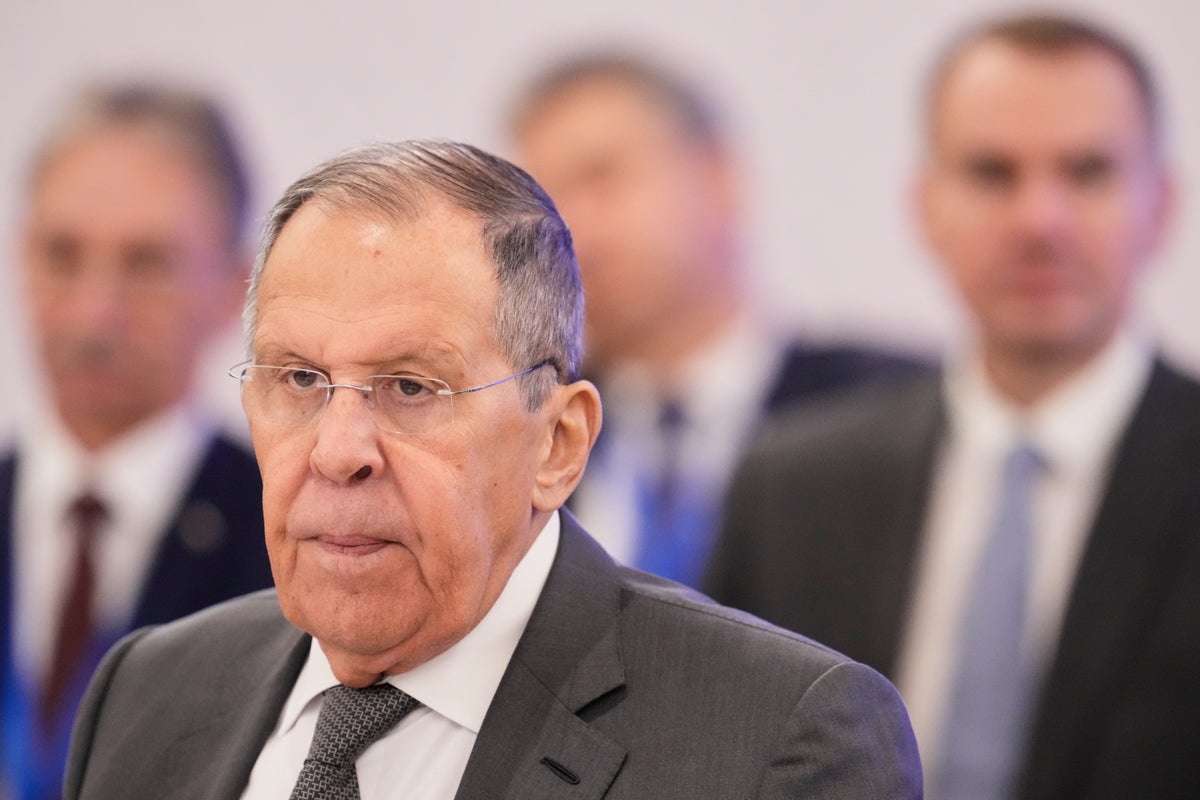
In a 15-minute televised address on Tuesday, Hassan Sheikh Mohamud said the UAE had broken trust between the two countries by establishing military bases and security structures outside of Mogadishu's national command, and was supporting political opponents of the central government.
"I am speaking to you today about the danger this poses to our statehood, because remaining silent would be betrayal," he said.
Mohamud said Somalia had long regarded the UAE as a brotherly country, bound by shared religious, cultural and historical ties, but years of Emirati interference had damaged that relationship.
"We saw them as brothers. We opened our doors to them. We trusted them greatly," he said.
The president, who sharply criticised the UAE in an interview last month, also accused Abu Dhabi of striking agreements with regional administrations over strategic infrastructure without the approval of the federal government in Mogadishu.
He singled out deals concerning the ports of Berbera, Bosaso and Kismayo, arguing that they were national assets belonging to all Somalis and could not be subject to deals that bypassed the central authorities.
"A brother does not burn your house. A brother does not buy your property without your knowledge. A brother does not divide your family," he said.
'A brother does not burn your house. A brother does not buy your property without your knowledge. A brother does not divide your family'
Mohamud also accused the UAE of establishing military bases and supporting armed forces operating outside Somalia's national security command, warning that the creation of parallel security structures was weakening state institutions as the country continued its fight against the armed group al-Shabab.
Somalia's government has been battling al-Shabab since 2007. According to the US Africa Command (Africom), the group is considered to be the “largest, wealthiest, and most lethal” al-Qaeda-affiliated organisation globally, controlling large swaths of southern and central Somalia.
Mohamud also accused the UAE of playing a role in Israel's recognition of Somaliland, and criticised Abu Dhabi for not joining Arab and Islamic statements condemning the move.
The breakaway region declared independence from Somalia in 1991, after a decade of war, but has remained internationally unrecognised.
Israel recognised Somaliland in December 2025 and, according to multiple reports, is eyeing a military base in the port of Berbera alongside the UAE, which already has a military presence there.
DP World, the Emirati logistics company, runs the main port in Somaliland, as part of a partnership with the British government's foreign investment arm.
The president also referred to an incident in January when Somali territory was used to extract Yemeni separatist leader Aidarous al-Zubaidi to the UAE after he was charged with high treason.
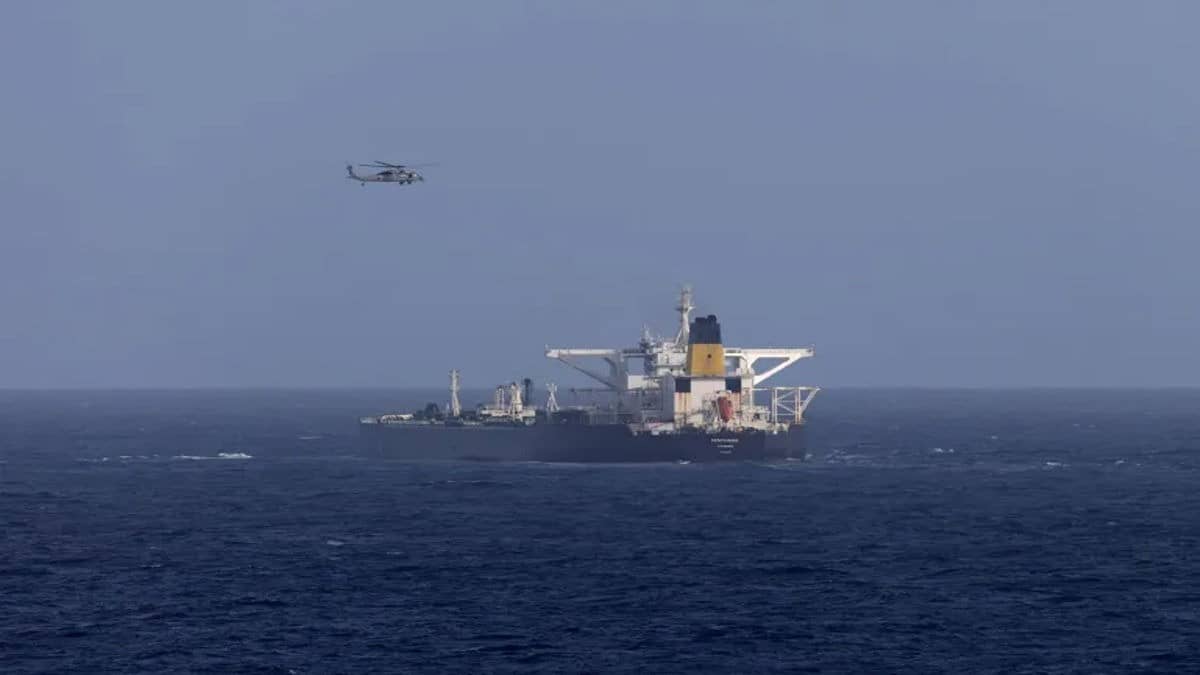
According to Saudi authorities, Zubaidi and his entourage boarded a vessel in port of Aden shortly after midnight on 7 January, before switching off identification systems while sailing towards Somaliland.
The ship later docked in Berbera around midday.
Soon after, Zubaidi and his allies boarded an Ilyushin Il-76 aircraft and departed without declaring a destination.
The aircraft is then said to have landed at Mogadishu International Airport at 15:15 local time, and remained there for about an hour, before flying towards the Gulf.
The incident came a day after Yemen's Presidential Leadership Council (PLC), the country's internationally recognised authority, charged Zubaidi with high treason, alleging he damaged Yemen's political and military standing, formed an armed group, committed serious violations against civilians, killed officers and soldiers, and sabotaged military facilities.
"Somalia is not a thoroughfare to be traversed illegally - it is not a commodity to be bought, nor is it a place that one can enter or leave at will," Mohamud said.
Mogadishu annulled all agreements with the UAE on 12 January, including those covering security, defence and economic cooperation, and subsequently barred Emirati military and cargo aircraft from Somali airspace.
Mohamud said the decision had followed years of diplomatic efforts to resolve the dispute, and was not intended as an act of hostility towards the Emirati people.
"That decision was not an act of hostility. It was a warning. It was a step to defend our statehood," he said.
Mohamud added that Somalia remained open to restoring relations with the UAE, but only on the basis of respect for its sovereignty.
"Our door is open if you come with respect, appreciation, equality and full recognition of Somalia's sovereignty and territorial and national unity," he said.
"But if you choose to continue on this crooked path, know that Somalia will defend its land, its sovereignty and its national unity through every path our laws allow and international law accepts."
During his address, Mohamud also mentioned war-wracked Libya and Yemen, before accusing the UAE of contributing to the fragmentation of both countries.
"The UAE government went to Libya and left it divided. Likewise, they left Yemen divided. Today they want the same for Sudan and Somalia," he said.
In Libya, the UAE has been one of the most prominent foreign backers of eastern strongman Khalifa Haftar, supplying his forces with weapons, military equipment and air support during their campaign to seize control of the country.
Whilst in Yemen, the UAE has been accused of helping build and bankroll a network of armed groups implicated in assassinations, abductions, torture and enforced disappearances.
A UN panel of experts has found reasonable grounds to believe that Emirati forces and UAE-backed militias had subjected detainees to arbitrary arrest, secret detention, torture and sexual violence, including rape.