South Africa faces 1,200 projected heat deaths as Super El Niño intensifies - IOL
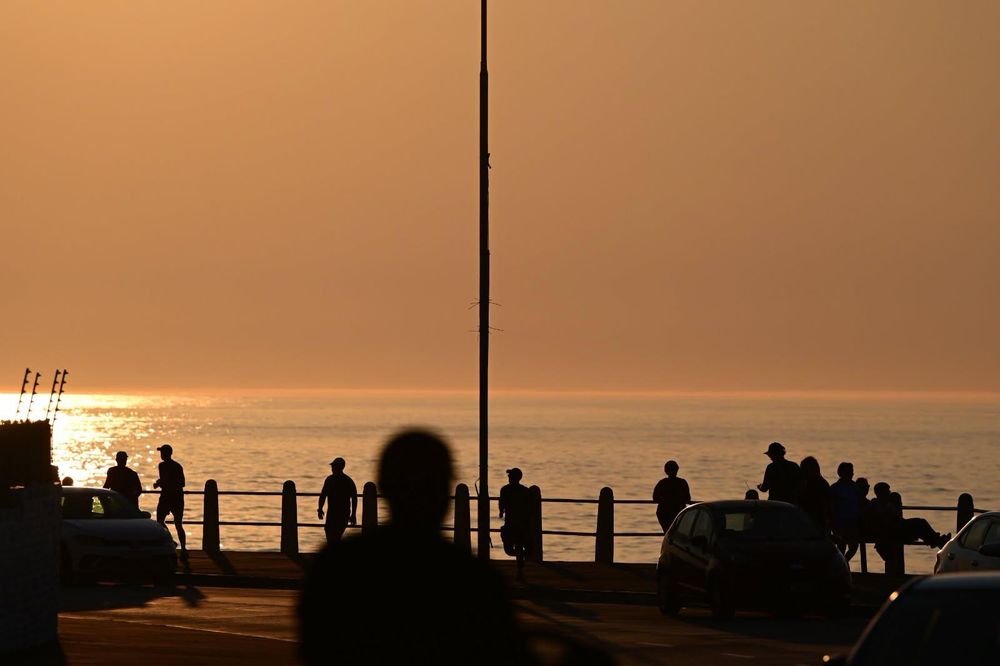
South Africa could see about 1,200 additional heat deaths between September 2026 and February 2027, according to a Climate Impact Lab projection linked to this year's El Niño.
South Africa could record about 1,200 additional deaths linked to extreme heat between September 2026 and February 2027, according to a new Climate Impact Lab report.
The projection, which has an estimated range of plus or minus 90 deaths, forms part of a wider warning that this year's El Niño could become the strongest on record.
The Climate Impact Lab estimates that 451,000 people globally could die from extreme heat during the first nine months of the El Niño, from June 2026 to February 2027.
The report warns that the climate phenomenon could also contribute to drought, wildfires and flooding as higher temperatures and shifting rainfall patterns affect different regions.
The projected impacts are expected to be concentrated largely in the Global South.
Across Africa's Sahel region, the report projects 66,800 additional heat deaths over the next six months. Nigeria is expected to account for about 31,400 deaths, followed by Sudan with 17,500, Niger with 10,000 and Chad with 7,900.
South Africa's projected figure places it among the countries expected to experience additional heat-related mortality during the September-to-February period.
The report says emergency response and resilience measures targeted at areas facing the greatest risks could help prevent tens of thousands of deaths.
Among the measures identified are early-warning systems, cooling centres and protections for outdoor workers. The Climate Impact Lab's Adaptation Inventory is based on peer-reviewed research examining measures that have been shown to save lives.
The researchers also describe this year's El Niño as a potential glimpse of future climate conditions, saying it is bringing temperatures similar to those climate change is projected to deliver about 20 years from now.
The World Health Organization (WHO) said the weather pattern could also bring favourable conditions for both cholera and disease-carrying insects, notably mosquitoes, which would then lead to an uptick in illnesses such as malaria, chikungunya and dengue fever.
WHO's Unit Head for Risk Reduction, Humanitarian Operations and Climate Change, Teresa Zakaria warned that the most severe impacts will be experienced when climate shocks intersect with weak health systems, limited access to healthcare, food insecurity, displacement and humanitarian crisis.
AFP reported that the UN's World Meteorological Organization warned that the current El Niño is forecast to be the strongest since comparable records began four decades ago, with the knock-on effects on the world's climate continuing well into 2027.
The EU's climate monitor said August was the hottest single month ever recorded globally, with ocean temperatures also reaching unprecedented highs as western Europe capped its warmest summer.
The Department of Agriculture urged crop farmers to implement climate-smart agriculture that will ensure that soil moisture is conserved.
"They should utilise implements that are in line with Conservation Agriculture principles that will further preserve the moisture and minimise soil erosion. Farmers should implement risk reduction measures such as not expanding land under production unnecessarily and prioritising suitable cultivars that will withstand dry and hot conditions," the department said.