South Africa renews target to halve road deaths by 2030 - IOL
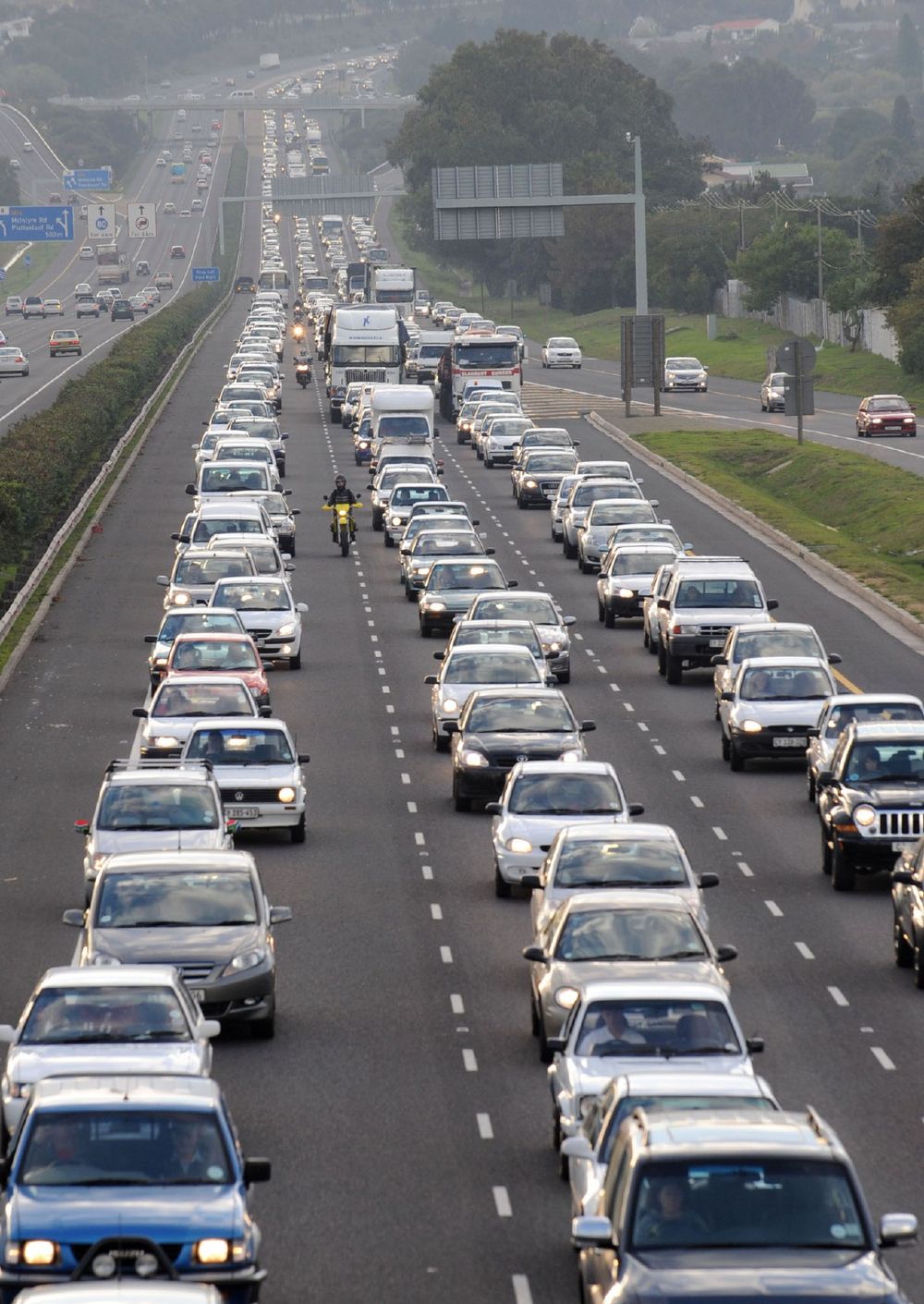
The government bets on safer roads, stronger rail and cheaper public transport.
The government has set a target to reduce road fatalities by 50% by 2030, with Transport Minister Barbara Creecy and Deputy Minister Mkhuleko Hlengwa outlining road safety and public transport priorities at the launch of Transport Month.
Hlengwa said the department was targeting a 45% reduction in road fatalities by 2029 and 50% by 2030 as part of its six priority targets for the next four years.
The announcement follows a 6.2% fall in road fatalities in 2025 compared with the previous year, the lowest level recorded in five years. Preliminary figures for January 1 to August 23 this year show a further 9% reduction compared with the same period in 2025.
“We must, however, ensure that this progress is sustained and accelerated. Behind every statistic is a family, a community and a future. Every life saved is therefore an achievement that matters,” Hlengwa said on Thursday.
The government has recently approved the Revised National Road Safety Strategy 2026–2030, which adopts a “safe system” approach based on the principle that people make mistakes but those mistakes should not result in death or serious injury.
The strategy focuses on safer roads and infrastructure, safer vehicles, safer speeds, effective enforcement, and improved post-crash response.
Hlengwa revealed that legislative amendments were being pursued to introduce a zero alcohol limit for drivers.
“We are, therefore, moving ahead to ensure that we apply a zero limit to alcohol consumption when behind the steering wheel.”
The department also plans to strengthen the identification and treatment of hazardous locations, improve pedestrian infrastructure, tighten roadworthiness enforcement, and strengthen safety standards for learner and public transport services.
It is revealed that a national crash data observatory, supported by artificial intelligence and data analytics, is also being developed to identify crash hotspots and inform evidence-based interventions.
The government is also pushing ahead with the rollout of the Administrative Adjudication of Road Traffic Offences (AARTO) system. Phase two began on July 1, covering 62 municipal and provincial areas, including major metros.
Hlengwa said AARTO was not simply a traffic fine system but a road safety intervention intended to improve compliance, strengthen accountability and change road user behaviour.
While road safety was a major focus of the Transport Month launch, Creecy also outlined measures aimed at easing pressure on households and improving public transport affordability.
She said the past year had been difficult for households, bus and taxi operators, and the broader freight and logistics system amid geopolitical pressures, supply-chain disruptions, and rising fuel costs.
“Our geopolitical environment is definitely not of our choosing. Its impact on supply chains, trade routes and the fuel price is there for all to see.”
She said the government was nevertheless focused on reducing the cost of getting around.
“From our side, we are doing everything in our power to make public transport more affordable for ordinary people,” Creecy said.
She said 35 of 40 priority passenger rail lines had been recovered over the past two years, while the government was working to reform the public transport grant system into a unified support model for selected routes serving both bus and minibus taxi operators.
The government is also bringing private investment into the rail sector. Creecy said 11 train operating companies had been approved to use the state-owned national rail network, with operations expected to begin in April 2027.