South Korea says North Korea behind DMZ blast, calls it armistice deal violation
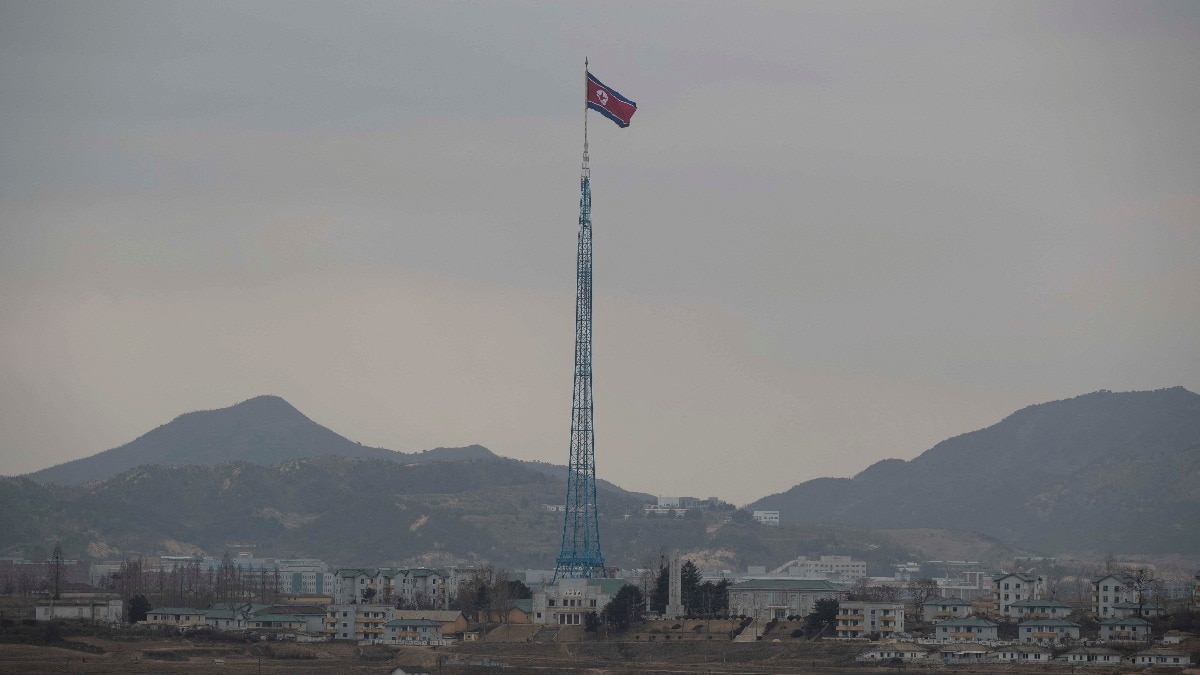
South Korea's defence minister said on Tuesday North Korean mines caused a blast last week that injured two South Korean personnel in the Demilitarized Zone (DMZ), adding that the incident violated the Korean War armistice agreement and warranted a response against Pyongyang.
Defence Minister Kang Shin-chul told a parliamentary committee that the mines were North Korean and appeared to have been planted in the area as part of North Korea's border fortification work near the Military Demarcation Line (MDL) that bisects the DMZ.
"The responsibility lies with North Korea, so we will take corresponding measures," Kang said, adding the military had response options available and would implement them in stages, while declining to elaborate.
Kang said the intent in question was whether North Korea had emplaced the mines knowing South Korean troops could enter the area and suffer harm.
South Korea's Joint Chiefs of Staff said a probe conducted with the United Nations Command found an additional North Korean resin anti-personnel mine near last week's blast site.
The military said the newly discovered mine was different from the North Korean mines believed to have caused the September 21 explosion.
JCS Vice Chairman Kwon Dae-won said the mines did not appear to have drifted into the blast area and that the UN Command assessed they were found clearly south of the Military Demarcation Line.
Following a similar incident in 2015 in which South Korean troops were injured by North Korean mines, Seoul resumed anti-North Korea loudspeaker broadcasts across the DMZ, triggering a military standoff that ended with a high-level inter-Korean agreement.
The latest blast comed at a time when South Korean President Lee Jae Myung has sought to draw North back to dialogue, after Pyongyang declared South Korea an enemy state and abandoned its long-standing goal of peaceful reunification.
North Korean state media has not commented on the incident. North Korea's mission to the UN and embassies in Beijing and Singapore did not immediately respond to an emailed request for comment.- Ends