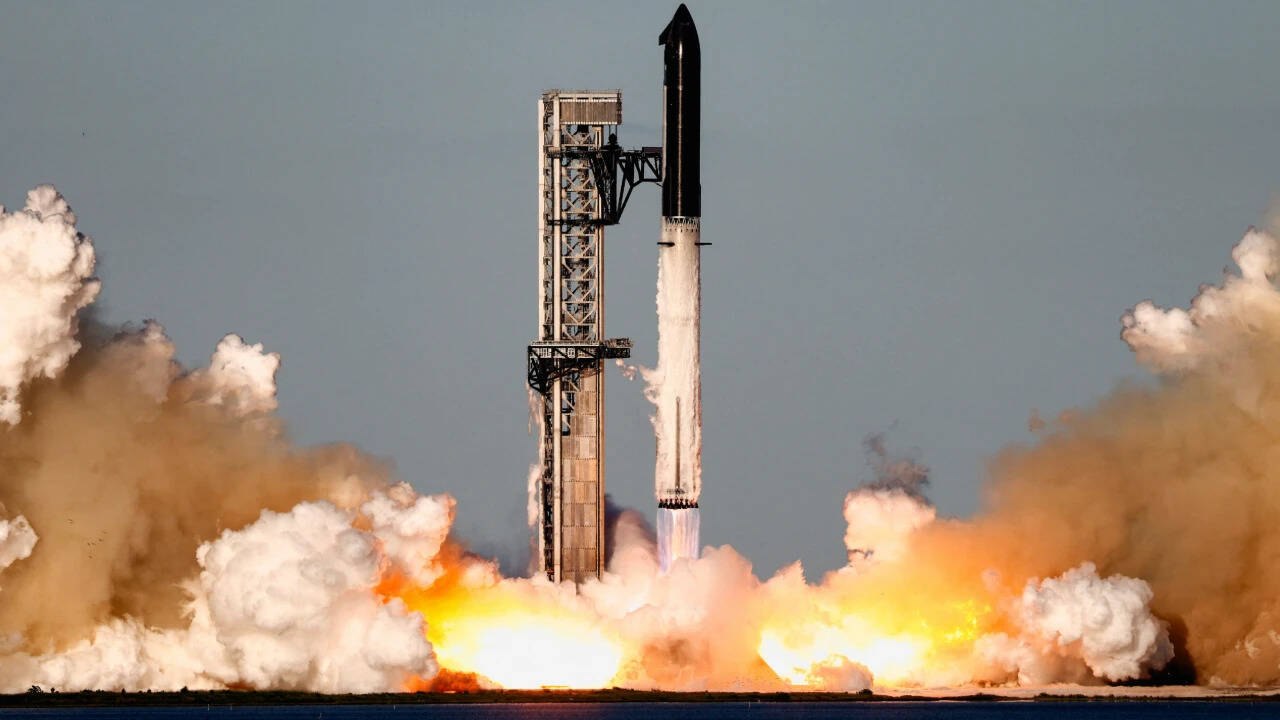
SpaceX abandons Super Heavy catch as Starship booster malfunctions
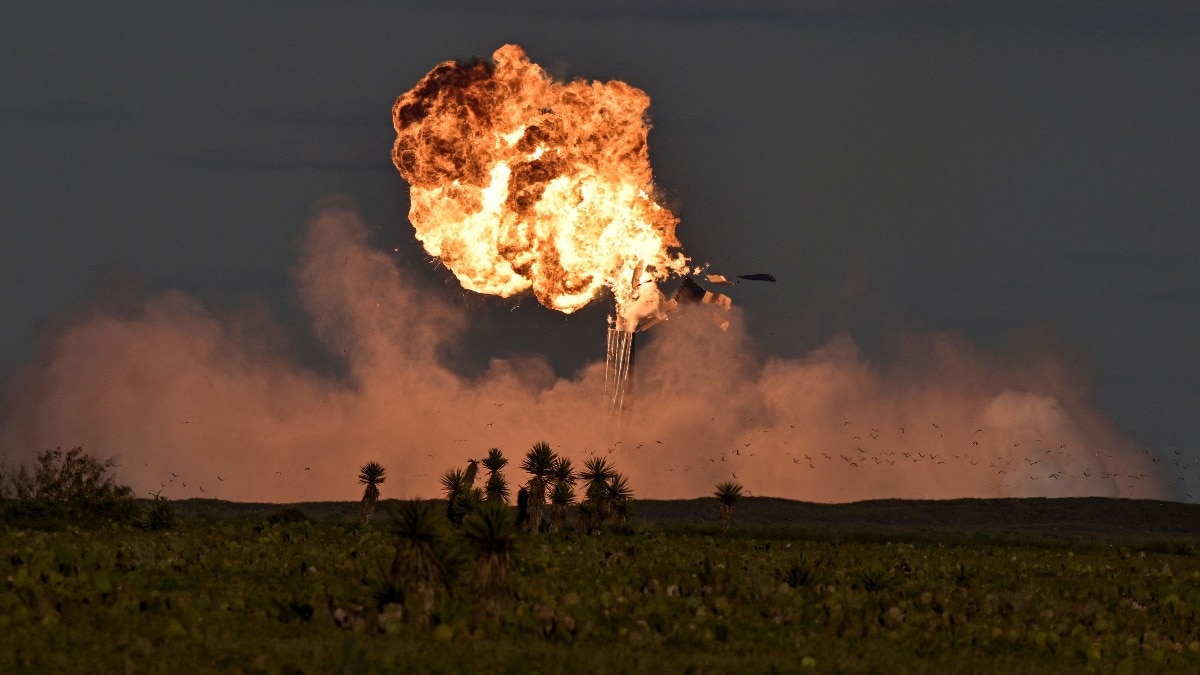
SpaceX's Super Heavy booster suffered a malfunction during Starship Flight 15, triggering an automatic abort that diverted the rocket's first stage into the Gulf of Mexico instead of bringing it back for a planned catch at the launch tower.
The booster subsequently made an offshore landing, bringing its recovery attempt to an end without a tower catch. The incident put an end to SpaceX's ambitious plan to recover both stages of the giant Starship rocket during the same mission.
The booster malfunctioned after separating from the Ship upper stage.
An automatic abort then sent it towards the Gulf of Mexico rather than back to the launch site in South Texas. Super Heavy has diverted to an offshore splashdown in the Gulf https://t.co/1M2xn7NYJA— SpaceX (@SpaceX) November 13, 2026
The precise technical reason behind the malfunction remains unclear as SpaceX has not yet publicly detailed what went wrong with the upgraded Super Heavy V3 booster or which system triggered the abort.The automatic abort prevented the booster from continuing towards its planned recovery at Starbase, where two giant mechanical arms, known as Chopsticks, were supposed to catch it.
The planned catch was therefore called off before the vehicle could be secured by the launch tower's arms.
Its subsequent offshore landing means the first stage completed a landing sequence, but it was not recovered at the launch site. The booster of the SpaceX's Starship Flight 15 explodes after launching. (Photo: AFP) FIRST OFFSHORE LANDING FOR V3 BOOSTERThe flight was significant for the Super Heavy programme because it was the first V3 version to attempt a return for a tower catch.
SpaceX has previously demonstrated the recovery of three earlier Super Heavy boosters, with the company working towards reusing both stages of Starship.
The ability to catch and rapidly reuse the booster is central to SpaceX's ambition of making Starship a fully reusable launch system.
Recovering the rocket at the launch tower could reduce the need for ocean recovery operations and speed up preparations for another flight. The booster of the SpaceX's Starship Flight 15 is seen returning after a malfunction. (Photo: AFP) SHIP42 RECOVERY STILL AHEAD
Meanwhile, the Ship upper stage is continuing its separate orbital mission.
Starship is expected to deploy 26 next-generation Starlink V3 satellites and complete approximately 14 orbits around Earth before its planned return to Starbase.
SpaceX is still targeting a historic tower-catch attempt for Ship, which would be the first recovery of an orbital Starship upper stage at the launch site.
The catch of the upper stage is expected at 2:45 am IST on November 15.
The booster's offshore landing does not determine the outcome of that separate attempt.- Ends