Srinagar is the most polluted city in the world today: Here's why

Srinagar, often celebrated for its picturesque mountains, lakes and clean Himalayan air, has emerged as the world's most polluted city on November 20, with its Air Quality Index (AQI) climbing to 354, placing it in the 'Severe' category.
The pollution spike has pushed the Kashmir capital ahead of several heavily polluted cities across India and neighbouring Pakistan, raising concerns about deteriorating winter air quality in the Valley.
According to AQI.in live city pollution rankings shared on November 20, Srinagar topped the list with an AQI of 354, followed by Hisar in Haryana at 328, Ludhiana at 309 and Amritsar at 302.
New Delhi, which frequently dominates India's pollution headlines, stood ninth with an AQI of 277, while Gurugram recorded 240. Graphic: AQI.in
The real-time Srinagar pollution dashboard showed an AQI of 354 at 2:51 pm on November 20. More concerning was the concentration of fine particulate matter. PM2.5 stood at 191 micrograms per cubic metre, while PM10 was recorded at 248 micrograms per cubic metre.
PM2.5 particles are particularly dangerous because their tiny size allows them to penetrate deep into the lungs and enter the bloodstream, increasing the risk of respiratory and cardiovascular problems.
The sharp deterioration in Srinagar's air quality is linked to a combination of geographical, meteorological and human factors.
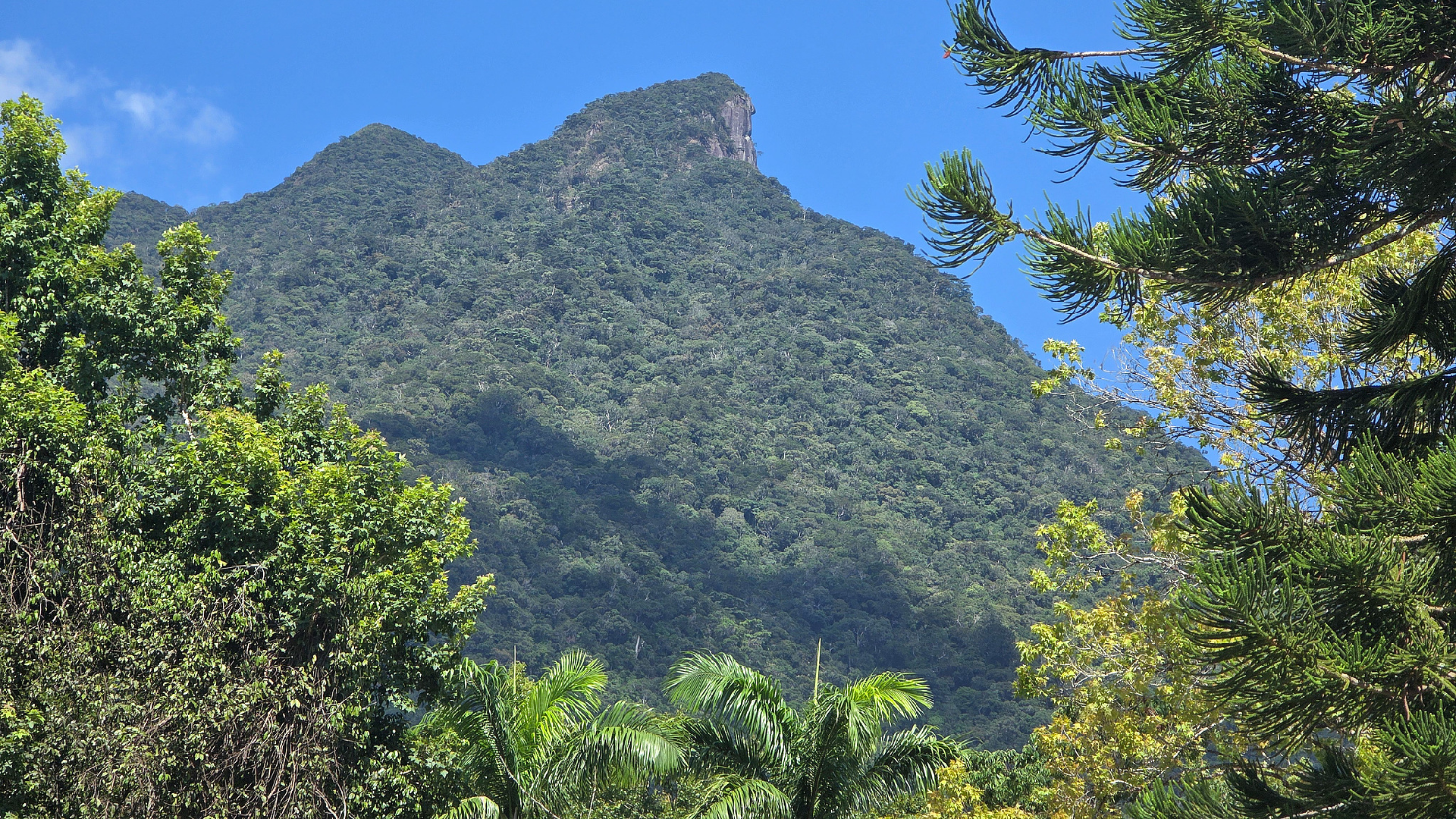
Unlike Delhi, Srinagar sits inside a valley surrounded by mountains. While this geographical setting gives the city its spectacular landscape, it can also restrict the movement of air under certain weather conditions, allowing pollutants to accumulate.
A major winter phenomenon responsible for this is temperature inversion. During cold nights, the ground loses heat rapidly, cooling the air closest to the surface. Warmer air above acts like a lid, preventing vertical movement and trapping pollutants near the ground. Graphic: AQI.in
The situation is particularly concerning this November. The meteorological department has forecast generally dry weather between November 19 and 28. The absence of rain or snowfall means there is little atmospheric cleansing through precipitation.
A scientific study published in the journal Science of the Total Environment found that low temperatures, weak winds, shallow atmospheric mixing and the geographical setting of the Kashmir Valley combine to aggravate particulate pollution between November and January.VEHICLES, CONSTRUCTION AND WINTER HEATING ADD TO POLLUTION
The Central Pollution Control Board's revised action plan for Srinagar identifies vehicular emissions as a major contributor to the city's pollution load.
Construction activities, road dust, traffic congestion, biomass and municipal waste burning, diesel generator sets and fuel combustion also contribute.
The Central Pollution Control Board in the Srinagar region monitors air quality at eight locations, and PM2.5, which is a critical parameter, is monitored at five locations. Graphic: AQI.in
Winter heating adds another dimension. As temperatures fall, households increasingly depend on heating systems, including traditional fuel-burning arrangements, adding particulate matter to the atmosphere.POLLUTION HAS BEEN RISING THROUGH NOVEMBER
The historical AQI chart provided by the monitoring platform shows a dramatic deterioration.
Srinagar's AQI was as low as 29 on November 13, but climbed to a maximum of 402 on November 19, before standing at 354 on November 20.
The numbers underline how quickly winter pollution can transform air quality in the Himalayan Valley.
Srinagar's pollution crisis once again points to how the geography alone cannot guarantee clean air. Without favourable winds, rainfall and adequate control of local emissions, even a city surrounded by mountains can become a pollution hotspot.- EndsMust Watch