States With the Toughest Vape Laws as California Plans New Ban - Newsweek
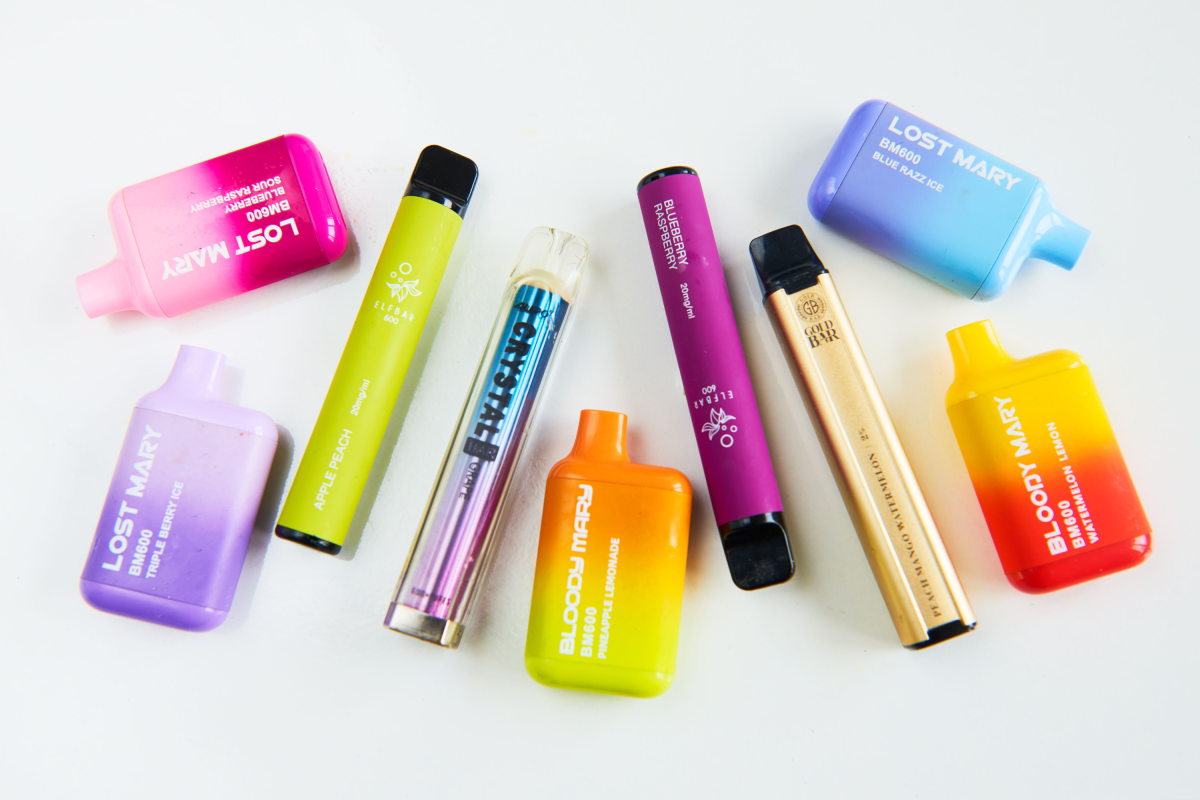
California is set to become one of the first states to ban disposable nicotine vapes, adding another restriction to a state that has one of the country's toughest tobacco-control regimes.
Governor Gavin Newsom recently signed Assembly Bill 762, which will prohibit the import and manufacture of covered disposable nicotine vaping devices beginning January 1, 2027, and ban their sale, distribution, and retail offering beginning January 1, 2028.
The legislation targets "disposable, battery-embedded vapor inhalation devices," commonly known as single-use vapes.
Under the law, products that contain tobacco or nicotine and are designed to be discarded after use will no longer be allowed on the California market.
The bill text states that covered vapes are those that are “not designed or intended to be reused,” meaning that reusable vaping devices with rechargeable batteries and refillable or replaceable components aren’t covered by the ban.
The bill explicitly states that beginning January 1, 2027, a person may not import or manufacture for sale in California a covered disposable vape and, beginning January 1, 2028, may not sell, distribute or offer such products for sale in the state.
Violators can face penalties beginning at $500 for a first offense, with larger penalties — up to $2,000 — for repeat violations.
One notable aspect of the law is that it does not apply to cannabis vaping products.
The bill defines covered devices as vaporization products containing a tobacco product "but not cannabis or a cannabis product," meaning disposable marijuana vapes sold through California's regulated cannabis market can continue to be sold.
Newsweek has reached out to Gavin Newsom's office for comment on why disposable cannabis vaping devices were excluded from the ban and is awaiting comment.
According to legislative summaries, the measure appears to be more of an environmental protection law rather than a traditional anti-smoking measure.
Disposable vapes contain lithium-ion batteries (which means they’re classified as e-waste), plastics, electronic components, and nicotine residue, which is nicotine-containing liquid that stays inside or on a vape after use. Because of this, and the fact that the batteries are often embedded in the device and difficult to remove, recycling can be difficult.
The measure also reflects a broader trend in state regulation as lawmakers increasingly target the design of vaping products, rather than simply restricting flavors or imposing taxes.
Opponents of the bill, including the California Distributors Association, tobacco companies and the California Grocers and Retailers Association, argued that the measure could limit access to accessible products that many adult smokers use as an alternative to traditional cigarettes, pushing them back towards traditional tobacco products.
Critics also questioned how effective the ban would be in practice, arguing that prohibiting legal disposable vapes could shift even more demand to untaxed and unregulated sellers rather than eliminating use altogether, a pattern they say emerged following the state's 2022 flavored tobacco restrictions.
California's latest move comes as a growing number of states adopt aggressive restrictions on vaping products.
Across the U.S., the toughest vaping laws are increasingly focusing on restricting flavored products, which regulators and public health officials say are particularly attractive to young people.
The Food and Drug Administration (FDA) has repeatedly identified flavored e-cigarettes as a key driver of youth vaping and notes that nearly 90 percent of young e-cigarette users consume flavored products. According to the agency's 2025 National Youth Tobacco Survey, fruit, candy, dessert, mint, and menthol remain among the most popular flavors used by young people
Another major trend is the rise of state vape directories.
Rather than banning specific flavors, these laws require vaping products to appear on a state-approved list before they can be legally sold.
In most cases, manufacturers must demonstrate that products meet federal regulatory requirements, such as having authorization from the FDA.
Products not included on the state's directory can’t be sold.
While some states have focused on restricting products that consumers can buy, directory states are focusing on which products retailers are allowed to stock in the first place.
With California now moving to eliminate disposable nicotine vapes altogether, regulators across the country will be watching to see whether other states follow suit.
Newsweek’s reporters and editors used Martyn, our AI assistant, to produce this story. Learn more about Martyn here.
Contact Newsweek editors on this story: Ben Kelly and Cristina Diciu.