Tamil Nadu opposes ASI control of Thirupparankundram temple in Supreme Court
The Tamil Nadu government has strongly opposed a petition in the Supreme Court seeking Archaeological Survey of India control over the Arulmigu Subramaniaswamy temple and Thirupparankundram hill, along with changes to the traditional Karthigai Deepam celebrations, news agency Press Trust of India reported.
The dispute concerns where and by whom the sacred lamp should be lit on the Thirupparankundram hill in Madurai. For decades, the lamp has been lit at the Deepa Mandapam near the Uchipillaiyar temple on the lower slopes.
Hindu groups have sought permission to light it at the Deepathoon, an ancient stone lamp pillar higher up the hill and about 50 metres from the Hazrat Sultan Sikandar Badusha Auliya dargah.
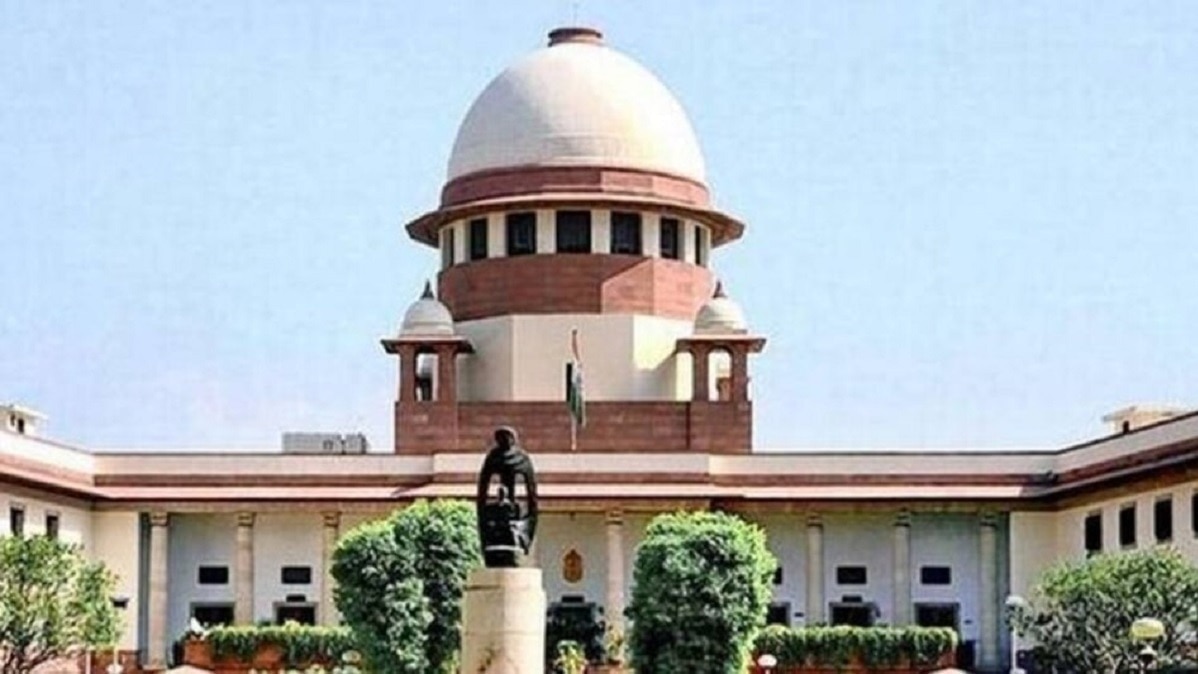
In an affidavit filed before a bench of Justices Aravind Kumar and Vipul M Pancholi, the Tamil Nadu Hindu Religious and Charitable Endowments Department opposed the petition.
It said ownership of the temple and existing religious practices had been settled through decades of court proceedings.
HR&CE Commissioner TG Vinay said the hill is owned by the Arulmigu Subramaniaswamy temple to the extent recognised by a civil court decree in 1923, which was restored by the Privy Council in 1931.
The Hindu Dharma Parishad has sought three directions: handing over the entire temple and hill to the ASI, keeping a lamp burning round the clock at the stone pillar described as the Deepathoon, and illuminating the entire hill with lamps during Karthigai Deepam.
According to PTI, the affidavit said: "A title so settled cannot be disturbed, and the administration of a religious endowment entrusted by statute to the HR&CE cannot be wrested away and handed over to the ASI upon a petition that pleads no ground in law and seeks the relief in the teeth of a concluded civil adjudication of title."
It added: "The department is the statutory custodian and administrator of the temple, and have at all times protected the temple, its properties and the rights of its devotees, including by asserting and defending the title of the temple in the civil courts over the course of a century, by conducting the worship and the festivals of the temple in accordance with the Agamas, and by making every arrangement for the smooth and peaceful conduct of the Karthigai Deepam each year in consultation with the police, fire and revenue authorities."
On the lighting of the Karthigai Deepam, the commissioner said the festival lamp had traditionally been lit at the Deepa Mandapam near the Uchipillaiyar temple, and not at the hilltop or the stone pillar now described as the Deepathoon.
The affidavit said the practice had continued for more than 150 years in accordance with the Agamas and the opinion of the temple's Sthanikars, or traditional functionaries.
The affidavit also referred to attempts in 1862 and 1912 to light lamps near the summit of the hillock, where the dargah is located. It said those attempts were opposed because lighting a lamp there was not an established custom and could lead to a breach of peace.
The department also disputed the claim that the present location was merely a wartime substitute for an older hilltop tradition, saying it was not supported by documentary evidence.
The department cited directions issued by the Madras High Court in 1996. It said the court had directed that only the Devasthanam, or temple administration, should light the Deepam, ordinarily at the traditional Deepa Mandapam near the Uchipillaiyar temple.
Any change in location would require a decision by the Devasthanam and prior permission from the competent HR&CE authorities, while complying with specified distance requirements from the dargah and adjoining areas.
Opposing an ASI takeover, the commissioner said archaeological protection at Thirupparankundram covered only specified features, including the rock-cut cave and inscriptions, and not the entire hill or the functioning temple.
The affidavit also questioned whether the petition could be heard under Article 32 of the Constitution, saying the petitioner had failed to establish a violation of any fundamental right.
It maintained that the temple administration had consistently conducted rituals and festivals according to established practices and in consultation with the police, fire and revenue authorities.
The department warned that allowing lamps to be lit at multiple locations on the hill, particularly near the dargah, could disrupt existing arrangements and create law-and-order problems at a site with a history of communal tension.
The Supreme Court will hear the Hindu Dharma Parishad's petition on November 17. The case centres on the demand for ASI control of the temple and hill and changes to the long-standing arrangements for lighting the Karthigai Deepam.- Ends