Telkom’s data business drives growth as traditional voice revenue declines - IOL
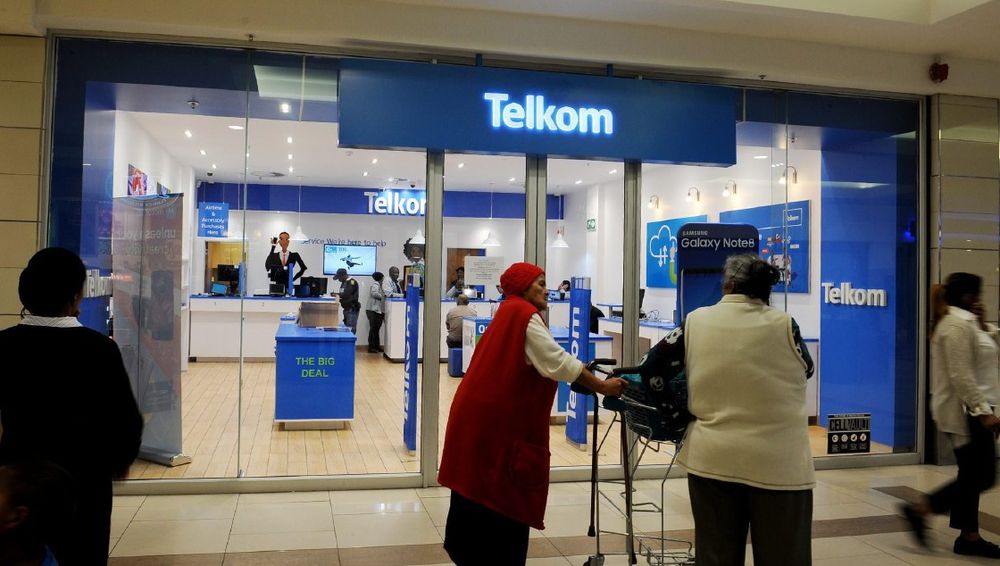
Telkom is facing intensifying competition from MTN and Vodacom as South Africa’s mobile operators battle for prepaid customers through pricing, data offerings and customer retention.
Telkom is becoming increasingly reliant on data services to drive revenue growth as demand for traditional voice services continues to decline, highlighting the changing economics of South Africa’s telecommunications industry.
The shift is reflected in the group’s latest interim results, which show that data revenue accounted for 61.8% of total group revenue in the six months ended 30 September 2026, compared with 59.1% in the corresponding period last year.
According to Telkom, group data revenue increased by 6.6% to R13.9 billion, supported by growth in mobile and fibre-related services.
The company’s overall revenue increased by 2% to R22.5 billion, while earnings before interest, tax, depreciation and amortisation (EBITDA) rose by 5.8% to R6.4 billion.
The results demonstrate how the telecommunications group is shifting its business towards data and digital infrastructure as traditional voice revenue comes under pressure.
Telkom’s consumer business recorded growth in prepaid services, with prepaid service revenue increasing by 6.1% during the reporting period.
Mobile revenue increased by 4.7% to R13.3 billion, while mobile service revenue grew by 4% to R11.5 billion.
The growth in data services has become particularly important as the group seeks to improve the profitability of its mobile business.
Telkom reported a 17.1% increase in mobile EBITDA, with its mobile EBITDA margin expanding to 30.8%.
The company attributed the improved performance to lower roaming costs, network efficiencies and better credit management.
The figures point to the growing importance of data consumption in Telkom’s mobile business, with prepaid customers continuing to contribute to revenue growth.
Beyond its mobile operations, Telkom’s fibre business also contributed to revenue growth.
Openserve’s revenue increased by 4.2% to R6.6 billion, while broadband revenue grew by 10.1%.
The number of connected homes increased by 15.1% to 870 856, lifting its fibre connectivity rate to 54.8%, up from 52% in the previous comparable period.
Meanwhile, its enterprise technology business, BCX, continued to face pressure, with revenue declining by 8.2% to R5.4 billion.
However, cloud revenue increased by 16.2%, while cybersecurity services revenue grew by 8.7%, indicating opportunities in digital services.
Telkom Group chief executive Serame Taukobong said the company’s data-led strategy remained central to its transformation.
“Consumer is improving the profitability of its growing data business, while Openserve is increasingly focused on converting existing network capacity into revenue-generating connections,” he said.
At group level, headline earnings per share increased by 9.3% to 334.1 cents, while free cash flow rose by 37.8% to R998 million.
Capital expenditure declined by 22.5% to R2.2 billion, although Telkom said investment activity was expected to increase in the second half of the financial year.
The group said its priorities would remain focused on sustaining profitable mobile growth, increasing the utilisation of Openserve’s fibre infrastructure and improving BCX’s commercial and financial performance.