Thai Rice Exports to ASEAN Soar 109% in First 9 Months of 2026, Offsetting Middle East Market Slowdown - Thairath English
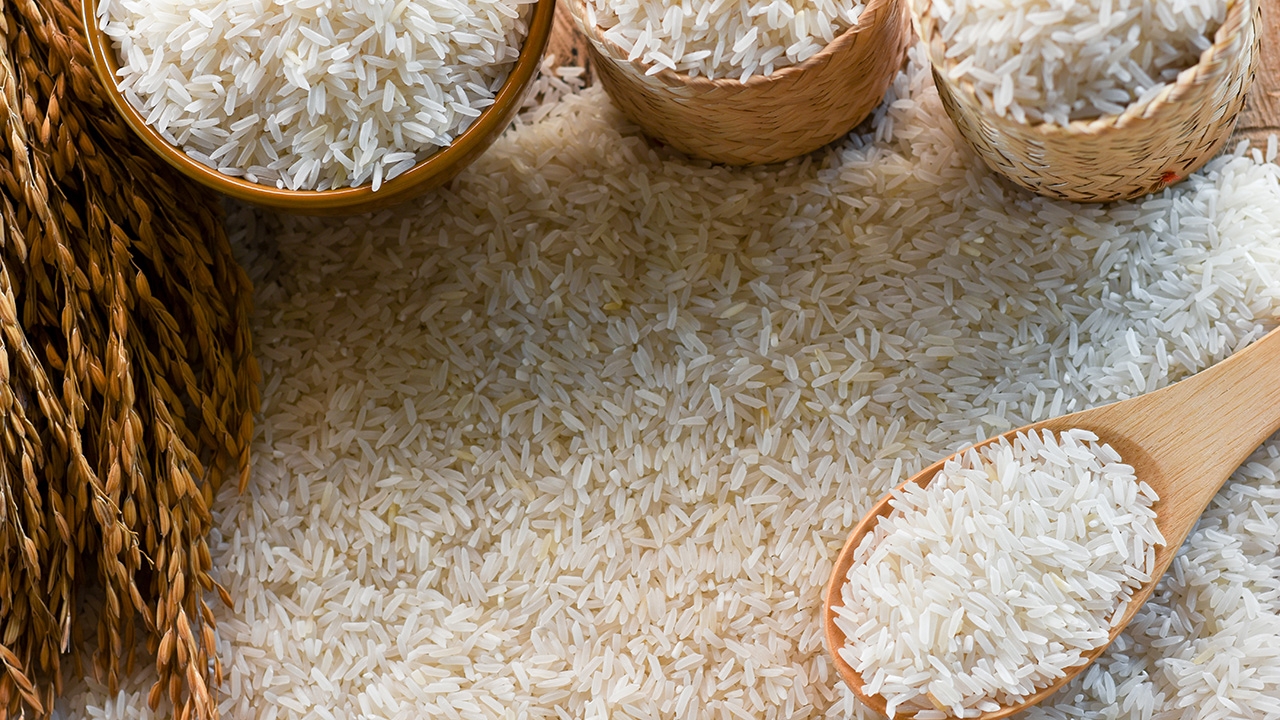
The Department of Foreign Trade revealed that Thai rice exports to ASEAN in the first nine months of 2026 surged 109%, supported by the Philippines and Malaysia, compensating for the Middle East market slowdown and pushing toward the 7 million ton target.
Ms. Arada Fuengthong, Director-General of the Department of Foreign Trade, stated that throughout 2026, Thai rice exports faced several challenges, including geopolitical conflicts, a strong baht, price competition, and unpredictable weather, all driving up production and shipping costs. These factors caused exports to key markets, especially in the Middle East like Iraq, to slow down.
However, the ASEAN market expanded notably and played a crucial role in supporting Thai rice. From January to September 2026, Thailand exported 1.25 million tons of rice to ASEAN, a 109% increase from the same period last year. This raised ASEAN's share of total Thai rice exports from 9.7% to 25.2%, or more than one-quarter of all exports. The Philippines and Malaysia were standout markets, with combined export volumes rising by over 750,000 tons, significantly mitigating the impact of decreased exports to Iraq.
“The increased imports by both countries stem from their efforts to strengthen food security against risks from reduced yields and climate variability. The Philippines' paddy rice production dropped 12.3% in the third quarter of 2026, while Malaysia expects its annual paddy output to be about 2.1 million tons, below the five-year average. This has led them to urgently increase imports from Thailand as reserves for stability, as Thai rice offers diversity that meets varied consumption habits.”
The Department of Foreign Trade has taken proactive steps. In August 2026, it led a delegation of public and private sector representatives to the Philippines and Malaysia to promote Thai fragrant and jasmine rice markets. These talks successfully extended the export timeframe under the Philippines' rice import license (SPSIC) for over 36,000 tons of Thai rice delayed by heavy rain-related transport disruptions.
Additionally, Thailand signed a rice trade Memorandum of Cooperation (MoC) with Singapore covering up to 100,000 tons over five years. Discussions are ongoing to foster concrete trade agreements.
The growth in the ASEAN market reflects continued trust in Thai rice despite price competition from major exporters. Key priorities include improving rice quality and varieties to match market demand, boosting productivity, and reducing production costs to maintain competitiveness. Collaboration between government agencies and the private sector has been crucial in building confidence, facilitating trade, and supporting smooth business operations.
“We believe ASEAN will remain a strategic market base for Thai rice in the long term due to geographic proximity, diverse consumption needs, and strong trade ties. This will support production, generate income for farmers, and serve as a key driver to achieve the Ministry of Commerce’s 7 million ton rice export target by the end of 2026.”