The Amputations America Can Prevent - Time Magazine
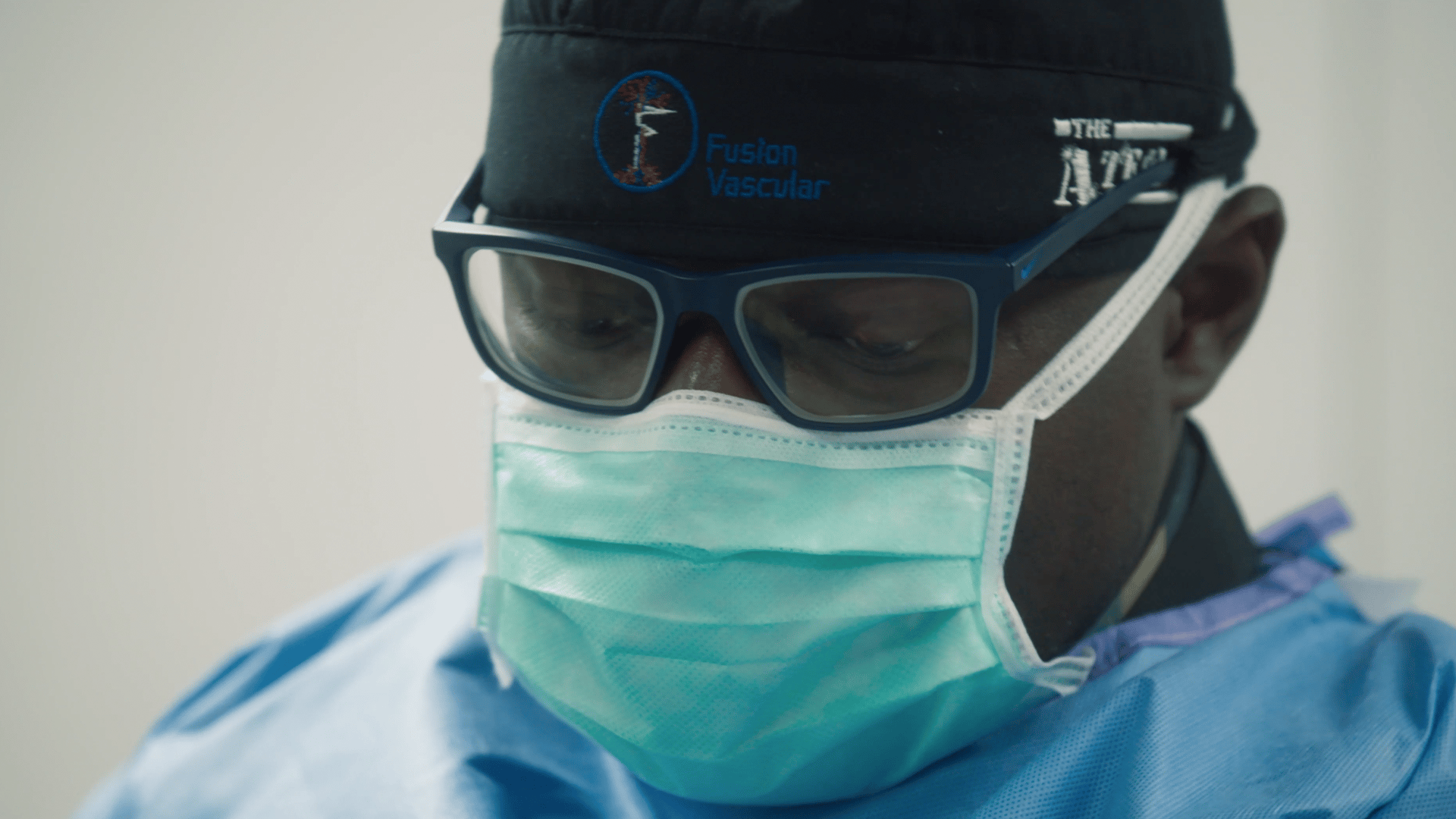
I was born in Nigeria, and raised and educated in New Jersey and New York City. But more than a decade ago, my journey led me to the heart of the Mississippi Delta, a region whose rich history, resilience, hope, and deeply-rooted bloodlines tell a powerful American story. I arrived because I recognized an unmet healthcare need that could no longer be ignored—a disturbing pattern of preventable limb loss that I came to describe as the Black American amputation epidemic.
About every three minutes in the U.S., someone with diabetes undergoes an amputation, according to the American Diabetes Association. But my connection to communities throughout this region is deeply personal, and a place where our bloodlines converge.
My grandmother died at just 62 from complications of diabetes, and today, both of my parents live with diabetes and neuropathy. For me, this fight is not simply professional; it is personal, generational, and profoundly human. Little did I know, my own bloodlines would become intertwined with those of a community where generations of families had endured burdens like the ones my family has had to navigate. I am the only cardiovascular specialist in Bolivar County who serves generations of families who have endured not only the burdens of chronic disease, but also the consequences of limited access to limb- and life-saving care.
Black patients lose limbs at a rate three to four times higher than other racial groups, a staggering disparity that reflects a deeper crisis in our healthcare system. Yet many of these devastating outcomes are preventable.
In my practice, I have found that the greatest predictor of whether some patients keep their limbs was not necessarily the severity of their disease, but their ZIP code. I’ve witnessed patients losing limbs due to the lack of awareness and education, limited resources, and limited access to specialized care and endocrinologists, all determined by where they live. Too many have never been screened for chronic heart and vascular diseases, seen a heart or vascular specialist, or had any opportunity to save their limbs before amputation became their only option.
It wasn’t always inevitable. And that is what troubled me most.
Peripheral artery disease (PAD) is a serious and prevalent vascular condition caused by plaque buildup narrowing or blocking the arteries, reducing the flow of oxygen-rich blood to the lower limbs. Many people have mild or no symptoms in the early stages, while others experience leg pain, cramping, fatigue, or a burning sensation during physical activity and, in more advanced stages, even at rest.
As the disease progresses, it can significantly impair mobility and quality of life, ultimately leading to non-healing wounds, ulcers, and gangrene of the toe or foot. This, in turn, can lead to chronic pain and depression, disrupting employment and diminishing participation in recreational and social activities. It’s a vicious cycle that increases the risk of preventable limb loss and, ultimately, death.
The American Heart Association PAD Amputation Heat Map shows this staggering disparity. Through timely screening and access to quality care in Mississippi, we were able to reduce major amputation rates by 87.5% over a four-and-a-half-year period.
Globally, the PAD burden is increasing, with as many as 236 million people affected worldwide and an estimated 12 million adults over the age of 40 here in the U.S. With a global aging population, rising rates of diabetes, and unaddressed social determinants of health, the global burden of PAD continues to grow.
Despite its widespread prevalence and devastating impact on quality of life, PAD remains largely unknown, undetected, and undertreated. Lack of awareness remains one of the greatest barriers to early PAD detection and the prevention of needless amputations. Most people reading this article have likely never heard of the disease, yet nearly everyone recognizes the word “amputation” without fully understanding the clinical, economic, and human consequences. Perhaps if we had called PAD a “leg attack” from the beginning, we would have conveyed the same urgency, recognition, and action that a heart attack commands.
Detecting PAD begins with conducting a thorough personal and family history and identifying risk factors. In younger patients, this includes diabetes, tobacco use, high cholesterol, high blood pressure, or kidney disease. Then, a straightforward physical examination with socks off to inspect the feet and assess pulses. An inexpensive, noninvasive ankle-brachial index (ABI) or toe-brachial index (TBI) test, which compares blood pressure at the ankle or toes with that in the arm, can help identify impaired circulation before irreversible damage occurs. Yet these simple, inexpensive, and potentially lifesaving measures are too often overlooked during routine medical visits.
When diagnosed with PAD, a patient should receive guideline-directed treatment to prevent downstream systemic consequences such as heart attack, stroke, amputation, or death. These are scientifically proven, largely inexpensive therapies that save lives and limbs.
As providers, we systematically fail to give many patients a fighting chance to save their limbs. Even with remarkable advances in minimally invasive procedures to reopen blocked vessel highways, and surgical techniques to bypass them, these alternatives are too often overlooked before amputation is recommended.
The lack of awareness of PAD extends to nurses, medical students, advanced practice providers, and practicing doctors who often misdiagnose it, leaving far too many patients to undergo amputation without ever receiving a vascular evaluation. The greatest challenge remains not the science or evidence behind these treatments but our failure to consistently implement them.
The consequences of undiagnosed PAD can be as deadly as many cancers, while the financial burden of preventable amputations on our health system—and ultimately taxpayers—is staggering. The most glaring costs include the financial burden on our healthcare system, the devastation of our workforce, and the loss of heads of households.
As we have come to understand with many other diseases, from HIV to drug addiction, whatever affects one person directly affects many others indirectly. Yet a critical shortage and unequal distribution of PAD specialists in underserved communities have created a dangerous divide in access to care in health-care deserts.
When geography becomes destiny and amputation becomes a lottery, we must move beyond scientific knowledge and research to document the disparities needed to dismantle the barriers that ultimately determine who keeps their limbs, and who loses their lives. To reduce disparities in PAD outcomes, we need community-level policies and multi-stakeholder strategies targeted to ZIP codes with high amputation rates in rural and urban areas.
Equalizing access to providers and insurance coverage requires similar urgency. Access to healthcare means little if patients cannot afford medications, understand the information about their health care, reach appointments, or navigate the healthcare system.
If we can change the narrative of health care here in the Mississippi Delta, we can change the future of limb preservation everywhere.