The best acne treatments for teens
NBC Selected independently determines what we cover and recommend. When you click on or buy through our links, we earn a commission. Learn more.
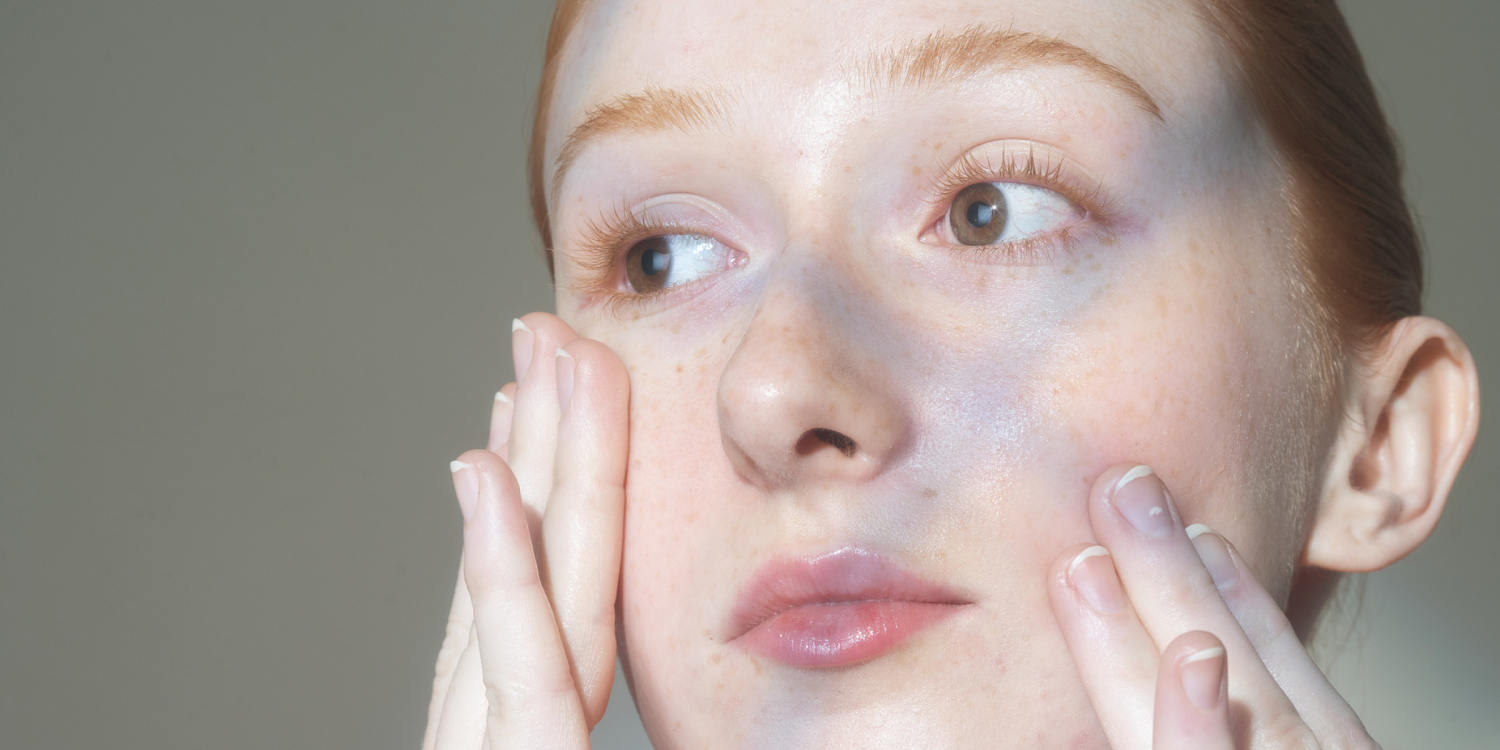
Dermatologists recommend foam-based cleansers for teens with oily and acne-prone skin. Kara Birnbaum / NBC Acne affects an estimated 80 percent of people between ages 11 and 30 at some point in their lives, according to The National Institutes for Health. It’s most common in girls from the ages of 14 to 17, and affects boys a bit later (ages 16 to 19 years old).
Acne can be one of the more anxiety-inducing parts of being a teenager, but most cases are entirely curable, says Dr. Mona Gohara, a dermatologist at Dermatology Physicians of Connecticut. I spoke to dermatologists about the best ways to treat teen breakouts and compiled a list of products that align with their guidance, including options we've used.
Editor's pickDifferin Acne Retinoid Treatment Gel Adapalene 0.1%$12.97$15.99AmazonLearn moreBest spot treatmentNeutrogena Rapid Clear Stubborn Acne Spot Treatment Gel $9.68$13.39AmazonLearn moreBest foaming face washCeraVe Foaming Facial Cleanser$15.45$16.97AmazonLearn moreTop foaming face and body washPanOxyl Acne Foaming Wash$10.12$10.19AmazonLearn moreBest exfoliating padsFirst Aid Beauty Facial Radiance Pads$31.49$39.00AmazonLearn moreBest pimple patchHero Cosmetics Mighty Patch Invisible+ Patch$undefined$17.99UltaLearn moreSee 3 MoreRelatedselectedselected100 best skin care products for sensitive skin, tested and reviewedWant more from NBC Selected? Sign up for our newsletter, The Selection, and shop smarter.
Below, I gathered expert-recommended face washes, spot treatments, retinoids, pimple patches and more that can help improve teen acne. All of the following acne products are noncomedogenic and include gentle or acne-fighting ingredients like salicylic acid, benzoyl peroxide and adapalene.
$12.97$15.99AmazonNow 19% off$13.48Walmart$19.49CVS PharmacyWhat to knowWhat we likePrevents new pimplesPump packagingCures inflammationSomething to noteTakes some time to workNot for very sensitive skinDifferin Gel is an NBC Selected Wellness Award winner and staff-favorite. NBC Selected reporter Zoe Malin started using Differin gel for her hormonal and cystic acne as a teenager since it is the only OTC retinoid that does not require a prescription. “It helped reduce my acne in a few days when I used it as a spot treatment, which, as a high schooler, was perfect because it made me less insecure about my skin,” she says.
This treatment has 0.1% adapalene, which regulates cell turnover along the pores to reduce clogging, experts say. “If there’s one thing to pick to do for your acne, start using Differin gel at bedtime,” says Dr. Samer Jaber, a board-certified dermatologist and founder of Washington Square Dermatology in New York City. Wash with a gentle cleanser, dry your skin fully and apply a pea size of Differin onto the entire face, according to the brand. Avoid using Differin Gel, as well as any other retinoid, as a spot treatment. “That would be way too irritating — it meant to be used all over [the face],” says Gohara.
$9.68$13.39AmazonNow 28% off$12.99Walgreens$9.68WalmartWhat to knowWhat we likeFast-actingTravel-friendly tubePrevents new pimplesSomething to noteCan be irritatingThis spot treatment is a favorite of both Gohara and Jaber, and can reduce the size and redness of acne in just two hours, according to the brand. It contains 10% benzoyl peroxide, which inhibits the growth of the bacteria that causes acne, experts told us.
$10.12$10.19AmazonNow 1% off$6.37$7.49UltaNow 15% offWhat to knowWhat we likeCombats drynessPrevents new breakoutsCan use on the bodySomething to noteCan be irritatingCan bleach clothesThis Panoxyl foaming wash has 10% benzoyl peroxide, the highest concentration available without a prescription. This was also one of Malin’s favorites as a teen: “It helped reduce the frequency of breakouts, but since I have sensitive skin, I used it every other day instead of every day.” It works to clean and unclog pores and contains moisturizing ingredients to help combat dryness, according to the brand.
$15.45$16.97AmazonNow 9% off$12.74$16.99UltaNow 25% off$16.99DermstoreWhat to knowWhat we likeReduces excess oilFragrance-freeSomething to noteFoamingCan be drying“Foam-based cleansers are [best] for those with oily skin,” says Jaber, who recommends this one from CeraVe. The cleanser has 4% benzoyl peroxide to fight acne-causing bacteria, hyaluronic acid to preserve the skin’s natural moisture and niacinamide, which helps to calm irritation, experts say. It’s fragrance-free, noncomedogenic and can remove any excess oil, dirt or makeup from the skin, according to the brand.
$8.99$10.85AmazonNow 17% off$9.97Walmart$13.49CVS PharmacyWhat to knowUse on: faceWhat we likeOil-freeClears out poresNot overly dryingSomething to noteNothing to note at this timeThis expert-recommended acne face wash from Neutrogena has 2% salicylic acid to fight breakouts and remove dirt, oil, grime, impurities and bacteria from the skin, according to the brand. As a teenager, this was my go-to face wash.If you’re using a salicylic acid cleanser for the first time, use it every other day to start.
$17.99UltaWhat to knowWhat we likePrevents pickingReduces pimple size/rednessSomething to noteTurn white over timeWon’t totally get rid of zitsPimple patches, which adhere to the skin and use hydrocolloid gel to absorb excess oil and dirt away from pimples, are great for both reducing the size of breakouts and preventing people from picking at and popping them, says Gohara. This Hero Cosmetics pimple patch won an NBC Selected Wellness Award because it’s translucent and easily blends into the skin, according to our reviewers. You can use these overnight or throughout the day, and the patch will turn white as it draws out the gunk and other sebum or debris from your pimples, according to the brand.
$20.00Amazon$12.60$18.00UltaNow 30% offWhat to knowWhat we likeGreat for spot treatingLasts a long timeSomething to noteStrong chemical smellDryingThis quick-drying formula may be a good option if you want to avoid benzoyl peroxide, experts say. It has salicylic acid to fight acne and calamine to calm irritation, according to the brand. Simply dip a cotton swab into the pink sediment at the bottom of the bottle and dab it directly onto your pimple, according to the brand. The lotion dries quickly but leaves a pink, chalky residue, so the brand recommends using this product at night.
$32.99$39.99AmazonNow 18% off$32.99$43.99UltaNow 25% off$39.99DermstoreWhat to knowWhat we likeOil-freePrevents new pimplesTravel-friendly tubeSomething to noteTakes some time to workCan cause irritationOne of our favorite cystic acne treatments, this expert-recommended La Roche-Posay adapalene gel helps unclog pores, increase cell turnover and fight more severe acne. The gel is fragrance- and oil-free, according to the brand. Keep in mind adapalene can be irritating, so make sure to introduce this gel into your routine slowly (about once a week) to avoid redness and inflammation, according to my experts.
$20.24$26.99UltaNow 25% offWhat to knowWhat we likeAnti-inflammatoryDoes not clog poresSomething to noteFoamingNoncomedogenic products like this La Roche-Posay face wash won’t block pores, says Dr. Adnan Mir, a dermatopathologist at Dermpath Diagnostics in Port Chester, New York. This foaming cleanser is recommended by Gohara because it’s both noncomedogenic and contains zinc pidolate, which has astringent, anti-inflammatory properties shown to improve acne.
$28.00Amazon$28.00DermstoreWhat to knowWhat we likeSuitable for sensitive skinWon’t dry out skinRinsing not required
Something to noteWon’t clear existing breakoutsAvéne’s gentle, no-rinse cleanser is formulated with vitamin E and hyaluronic acid, so it’s hydrating enough to keep the skin barrier healthy, yet won’t clog pores, says Gohara. It also works to remove makeup, dirt and oil and adds moisture back into the skin, according to the brand.
$31.49$39.00AmazonNow 19% off$39.00Ulta$38.00DermstoreWhat to knowWhat we likeExfoliatingGentle, non-abrasiveAlcohol-freeSomething to noteTub packagingThese First Aid Beauty facial pads are made for sensitive skin because they can gently exfoliate using an alcohol-free (non-drying) formula, according to the brand. Recommended by Gohara, these pads have hyaluronic acid and white tea extract to hydrate and protect your skin. For best results, the brand suggests using twice a day, right after cleansing.
According to experts, teen acne and pimples can be tackled in two ways: preemptive face-washing with appropriate cleansers and spot-treating breakouts. By finding the root cause — whether it be hormones, stress or genetics — you can find the best solution.
Remove any makeup before bed and wash your face every day — twice a day if you have oily skin or if your face gets dirty throughout the day, like after a workout, says Jaber.
When it comes to face cleansers, look for gentle, noncomedogenic products, which means they won’t block pores, says Mir. “Cleansers with ingredients like glycolic acid, salicylic acid and benzoyl peroxide can be very helpful for those with acne,” says Jaber. “But be careful as they can be irritating and drying.”
All three dermatologists I spoke to recommend spot treating pimples from the second they start to develop until they’re just about gone. Use a product that contains retinoid (a form of vitamin A that helps unclog pores), benzoyl peroxide (a topical antiseptic) or salicylic acid (an exfoliant that removes dead skin and unclogs pores).
Fueled by fluctuating hormones that increase oil production in the skin, breakouts happen when that oil (also known as sebum) combines with dead skin cells, clogs pores and traps bacteria, which then causes inflammation, according to the Cleveland Clinic.
Indeed, both whiteheads and blackheads are clogged sebaceous glands, says Mir. (The black color is due to the oil reacting with oxygen, not due to dirt.) “People with acne have glands that make more oil and are more easily plugged,” he says.
Though it affects teens, there’s actually no standard age or period of time when this “oil surge” calms down, says Gohara. “It’s completely genetic. Some people never get it, [and] for some people, it lasts five years,” she says.
Both teen boys and girls are nearly equally susceptible to hormonal acne, according to a 2023 study in the National Library of Medicine. Women, on the other hand, are more likely to have acne as adults.
Acne is usually caused by hormonal changes, which are most common during the teenage years. An estimated 85% of teens get acne, usually starting at age 11 for girls and a couple of years later for teen boys, according to UC Davis Health. Acne can last through the teen years and into the early 20s (though it’ll usually clear up around your mid- to late-20s).
There are three main types of acne: comedonal, inflammatory acne and cystic acne. Teens and adults commonly have a mix of the three types. Below, Gohara shares the differences between the three:
Excessive face washing and exfoliating, popping pimples and trying multiple new products at once can all exacerbate acne. Minimizing or avoiding ways that could make acne worse is the key to reducing breakouts, according to our experts.
Believe it or not, washing your face too frequently can leave you susceptible to more breakouts. “One of the mistakes I commonly see with teens is they really want to get their skin better, and so they over-wash their skin,” says Jaber. That can dry out skin, which can actually make breakouts worse, he says.
“Teens tend to turn to their favorite influencer and start putting what I call ‘the kitchen sink approach’ on their face,” says Gohara. “This can stoke the acne fire.” Acne breakouts can take five days or more to disappear, so it’s important for teens to stick to a basic routine and give their skin time to heal, she says.
Though exfoliating can be beneficial for teens who notice small breakouts, don’t overdo it: Teenage skin already sluffs dead skin cells on its own, so using scrubs containing abrasive beads can be extremely irritating, says Mir. “Sometimes, teens think acne is from dirt and they start to scrub it, but scrubbing is bad,” says Gohara. She recommends using a gentle, alcohol-free chemical exfoliant once a week in the form of pads containing glycolic acid or salicylic acid. Other non-abrasive chemical exfoliants include retinoids, benzoyl peroxide and alpha hydroxy acids like lactic acid (though Gohara recommends introducing these slowly and using them once a week to avoid excess irritation).
Though it isn’t the absolute worst thing a teen can do if the pimple has come to a head, all of our dermatologists warn against popping pimples. “Picking and popping pimples can lead to scarring, because you increase inflammation,” says Mir. “Once in a while a dermatologist will do it, and some people feel a compulsion to pick and pop, but it's something that we like to discourage.”
If you have severe acne or cysts that leave scars, or if breakouts don’t respond to a regular routine of gentle cleansing, exfoliation and spot treatment, a consultation with a dermatologist might be in order, says Gohara. “Some people need something stronger to manage their acne, like an oral antibiotic,” she says. That includes Accutane, also known as Isotretinoin, which is an oral prescription medication that helps treat severe acne and cysts.
Though acne tends to flare due to hormonal fluctuation, which can be during your period, around puberty, pregnancy and with certain medical conditions like type 1 diabetes, all acne has both a hormonal and bacterial component to it, says Gohara. Oil glands (called sebaceous glands) on the skin are triggered by hormones, which causes the glands to produce even more oils.
"We have normal bacteria in our skin, and that excess oil is basically like Thanksgiving for these little bacteria,” says Gohara. “[The bacteria] settles in the oil gland, and they start feeding off of those extra oils and creating inflammation.”
Yes, retinoids in both prescription form like tretinoin and OTC versions like adapalene are the gold standard when it comes to treating acne for all ages, says Gohara. Teens can use retinoids to treat more severe cases of acne, including cystic acne. They help unclog pores and increase cell turnover, which replaces dead skin cells with younger, healthier ones, experts say.
Yes, you should wear sunscreen every day, regardless if you have acne or not. However, several key acne-fighting ingredients like benzoyl peroxide, retinoids, alpha hydroxy acids and beta hydroxy acids can make your skin more sensitive to the sun, experts say. Make sure you wear sunscreen every day when using any acne products.
At NBC Selected, we work with experts who have specialized knowledge and authority based on relevant training and/or experience. We also take steps to ensure all expert advice and recommendations are made independently and without undisclosed financial conflicts of interest.
I am an updates editor at NBC Selected who has covered a variety of skin care topics, including products for rosacea, keratosis pilaris and cystic acne treatments. For this article, I spoke to three dermatologists to narrow down the best treatments for teen acne, and highlighted their recommendations for the best products to consider.
Catch up on NBC Selected’s in-depth coverage of tech and tools, wellness and more, and follow us on Facebook, Instagram, X and TikTok to stay up to date.
Mili GodioMili Godio is the updates editor for NBC Selected. Her expertise lies in wellness, skin care, hair care and pets.