
The hidden solar warranty trap homeowners need to know about before buying - IOL
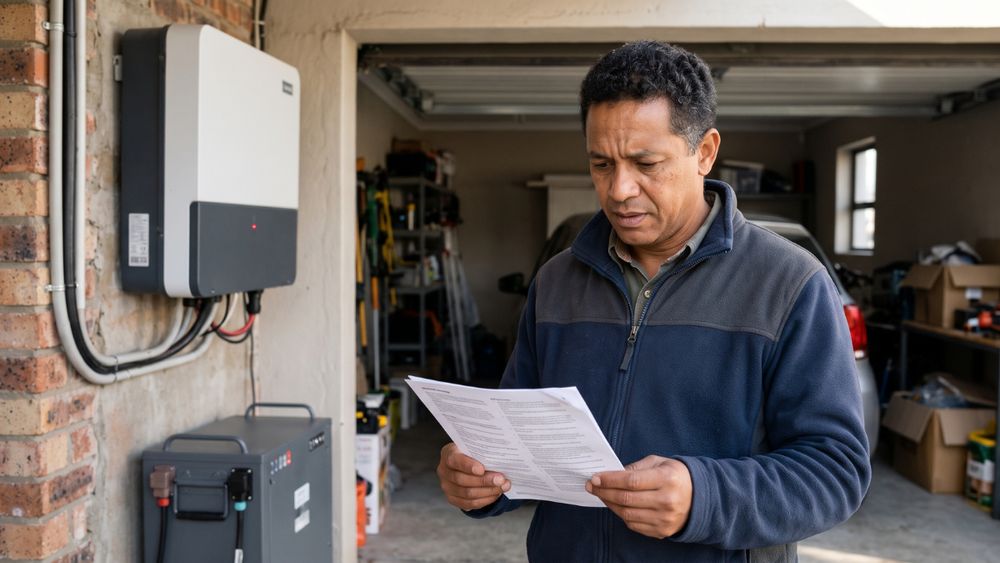
A 10-year solar warranty may not cover every failure—or run from the day your system is installed. Here are the warranty, moisture and after-sales questions South African buyers should ask before choosing an inverter or battery.
A 10-year warranty sounds reassuring – but what happens when your solar inverter or lithium battery fails and the manufacturer refuses to repair it?
Thousands of South African homeowners have invested in solar systems expecting years of reliable electricity and peace of mind. Yet one of the industry's biggest challenges isn't necessarily the technology itself – it's what happens when something goes wrong.
Lengthy repair delays, unexpected charges and complicated warranty conditions can turn an expensive solar investment into a frustrating experience.
One detail many homeowners overlook is when their warranty actually begins.
Some manufacturers calculate warranties from the manufacturing or shipment date rather than the installation date.
An inverter manufactured in China may spend months in shipping, customs, distributor warehouses and reseller stockrooms before reaching a homeowner.
Depending on the warranty terms, a substantial portion of the warranty could already have expired before installation – potentially 30% to 50% in extreme cases.
Another concern is the rejection of lithium battery warranty claims due to alleged water damage.
Some manufacturers rely on moisture indicators or marks found on the Battery Management System (BMS) as evidence of water exposure.
However, moisture marks don't necessarily prove external water damage. Humidity and condensation can develop inside electrical equipment, particularly in IP20-rated enclosures that offer no rated protection against water ingress.
Because moisture indicators can also react to these conditions, proper technical investigation is important before rejecting a warranty claim.
For homeowners, these disputes can mean unexpected repair bills running into thousands of rand.
Battery enclosure protection is another important factor buyers should consider.
While IP20-rated batteries are generally intended for protected indoor environments, Megatron offers IP65-rated lithium batteries, providing dust-tight protection and resistance to water jets under specified test conditions.
This additional protection can be valuable in environments exposed to dust and moisture, although correct installation remains essential.
Some solar equipment repairs can take four to five weeks, with complicated cases sometimes stretching into months.
Some solar equipment repairs can take four to five weeks, with complicated cases sometimes stretching into months. For homeowners, this means prolonged downtime. For installers, it can mean unhappy customers, repeated callouts and damaged reputations.
One brand aiming to change this experience is Megatron, backed by World of Sun and Wind Power.
Megatron has recorded over 5,000 installations in six months, with a reported product fault rate below 1%. Megatron also has a 24-hour after-sales case resolution, supported by a growing service network across South Africa, Zimbabwe, Zambia, Botswana and Kenya.
With IP65-rated battery options, AI-enabled hybrid inverters and dedicated technical assistance, the company is positioning itself around product reliability and long-term customer support.
Choosing solar equipment purely on price can lead to higher long-term costs through repeated repairs, downtime and difficult warranty claims.
Before buying, homeowners should ask when the warranty begins, what exclusions apply and how quickly the supplier resolves faults.
Because the best solar warranty isn't necessarily the longest one – it's the one backed by a company that stands behind its products when customers need help most.


