The invisible work of South Africa’s special-school teachers - IOL
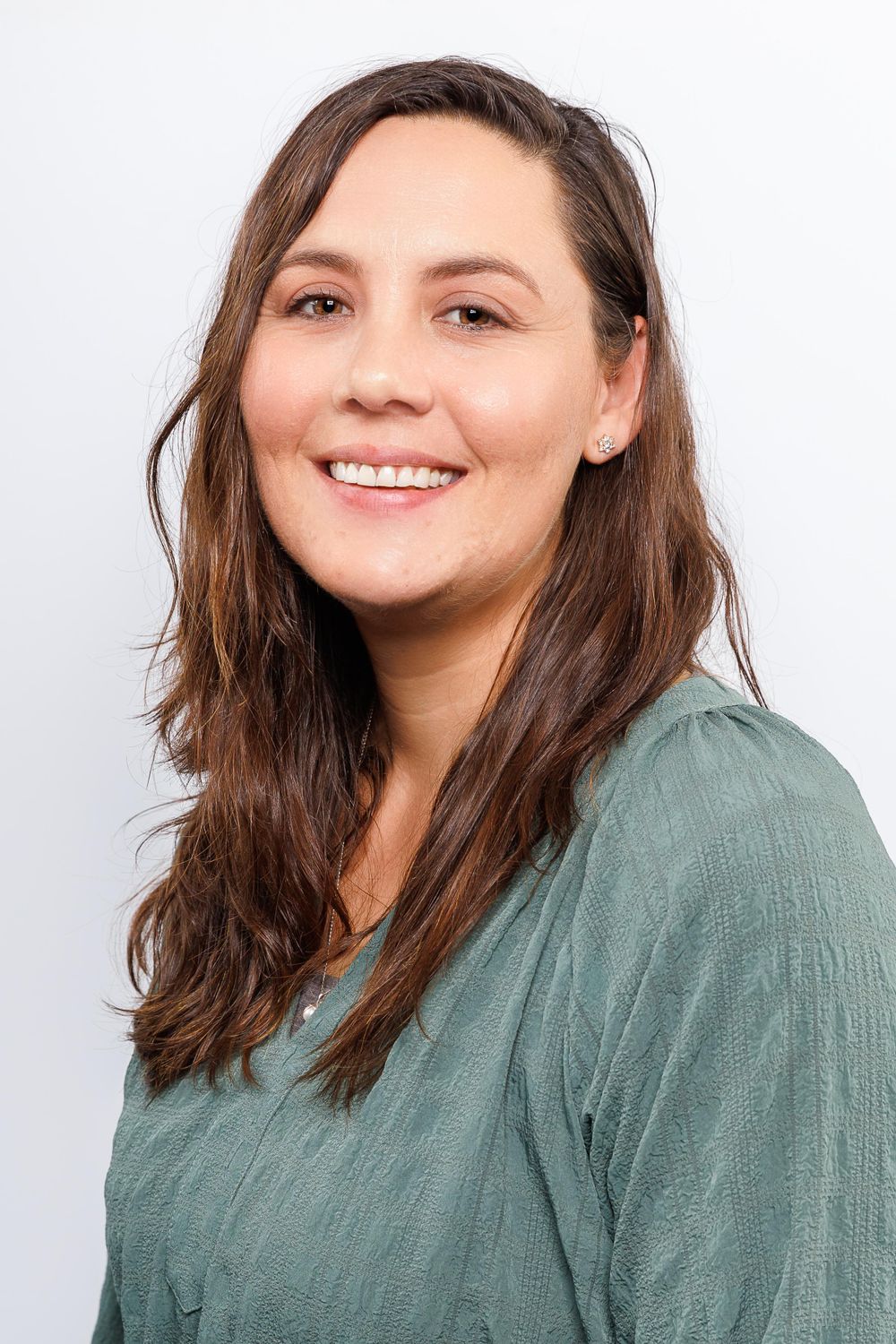
Dr Elzahn Rinquest is a senior lecturer in the Department of Education Policy Studies at Stellenbosch University.
It is 7am. The teacher's bags are already in the classroom. She has laid out the visual timetable, set up the sensory corner and prepared three versions of the morning's worksheet. Then the learners start to arrive. One came without breakfast. Another had a seizure on the bus. A third is having a meltdown in the car, and both he and his mother are in tears. By the time the register is taken, this teacher has been a planner, a carer, a nurse, a counsellor and a negotiator. The school day has not yet officially begun.
On October 5 we celebrate World Teachers’ Day. This year marks 60 years since the 1966ILO/UNESCO Recommendation concerning the Status of Teachers, the document that first set out what teachers are owed. The 2026 theme is “Standing with teachers: 60 years of protecting the profession, advancing its status and shaping our futures”. I want to use it to stand with a group of teachers we rarely see: those who work in our special schools.
Every Teachers’ Day we thank teachers for what they give. We seldom ask what it costs them. Teaching in a special school is teaching, and then it is much more. A teacher may adapt one lesson five different ways for eight learners. She may feed a child, change a child, or hold a child through a meltdown until his breathing slows. She may spend her lunch break on the phone with a parent who has nowhere else to turn. She writes the progress reports, attends the support meetings and fills the gaps left by therapists or support staff the school cannot appoint. None of this appears on a timetable. Very little of it counts towards workload. It is simply expected.
Picture care as a well. In a special school, learners, families and colleagues draw from the teacher's well all day. Almost no one thinks to refill it. Teachers draw on a deep reserve of patience, warmth and emotional strength every day. The system relies on that reserve. Yet it is rarely recognised, and almost never replenished. This is not a complaint about children or parents. Care is the heart of this work. The problem is that we have built a system that depends on teachers' care while refusing to count it. When care is invisible, its costs become private. Teachers absorb them. They show up as exhaustion, as illness, as good people quietly leaving the profession. So why do so many stay? Teachers I have worked with speak of a deep attachment to the children and families they serve, and to their schools. These are places where they have watched children flourish against the odds, and where colleagues hold one another up.
That attachment gives the work meaning. It is also, too often, what the system leans on. Loyalty keeps teachers in place long after the support should have arrived. There is a second cost. Since Education White Paper 6 (2001), South Africa has committed itself to inclusive education. Mainstream teachers are required to support learners with a wide range of needs, often with little preparation. Many feel lost, and understandably so. Yet a short drive away, in our special schools, sit teachers who have done exactly this work for years. They know how to read a child’s distress before it escalates. They know how to break a concept into steps that make sense. They know how to build a classroom where every child belongs. This is professional knowledge of the highest order. Too often we treat it as a separate world, rather than as expertise our whole system needs.
If we mean what we say this Teachers’ Day, standing with special school teachers requires more than a thank-you card. It means counting care as work. Workload models and post-provisioning should reflect the time teachers spend on personal care, behaviour support and liaison with families. It means proper support. Schools need therapists, class assistants and nurses, so that teachers are not doing five jobs at once. It means looking after the carers. Teachers need regular, confidential spaces to debrief and recover, not only a wellness pamphlet in the staff room. It means honouring their expertise. Special school teachers should be invited into teacher education, district training and policy conversations as the experts they are. I spent the early years of my career in special schools. I still carry what those classrooms taught me.
So this is not a tribute from a distance. To every teacher who has sat on the floor with a child who could not yet sit at a desk: we see you. To every teacher who has read a child’s silence and understood what it meant: we see you. To every teacher who has sat with a parent in the car park after a hard diagnosis: we see you. To every teacher who celebrated a single new word as if it were a matric distinction: we celebrate you. To every teacher who stayed late to make one more resource for one more child: we thank you. And to every teacher who went home empty and came back full of hopethe next morning: we stand with you. Your care is real work, and it deserves to be counted.Happy Teachers’ Day.
* Rinquest is a senior lecturer in the Department of Education Policy Studies at Stellenbosch University. Having taught in special schools in the Western Cape, she researches inclusive education and teachers’ emotional lives.