The silent struggle of motherhood: How to support mentally exhausted mothers - IOL
Statistics South Africa reported in September that time-use data show care activities, including caring for children, preparing meals and maintaining households, are performed predominantly by women.
MATERNAL mental health has received renewed public attention, particularly when severe psychiatric illness intersects with family tragedy.
The safety of children must always remain paramount. But acknowledging the seriousness of harm does not mean we should stop asking what happened before a crisis, whether warning signs were missed and whether earlier intervention or support might have made a difference.
Not every exhausted mother is mentally ill, and not every overwhelmed mother is in danger of harming herself or her children. Ordinary maternal exhaustion must not be confused with serious psychiatric conditions such as postpartum psychosis. They are not the same thing. There is, however, another struggle quietly taking place in many homes: the unequal burden of unpaid care and household responsibilities.
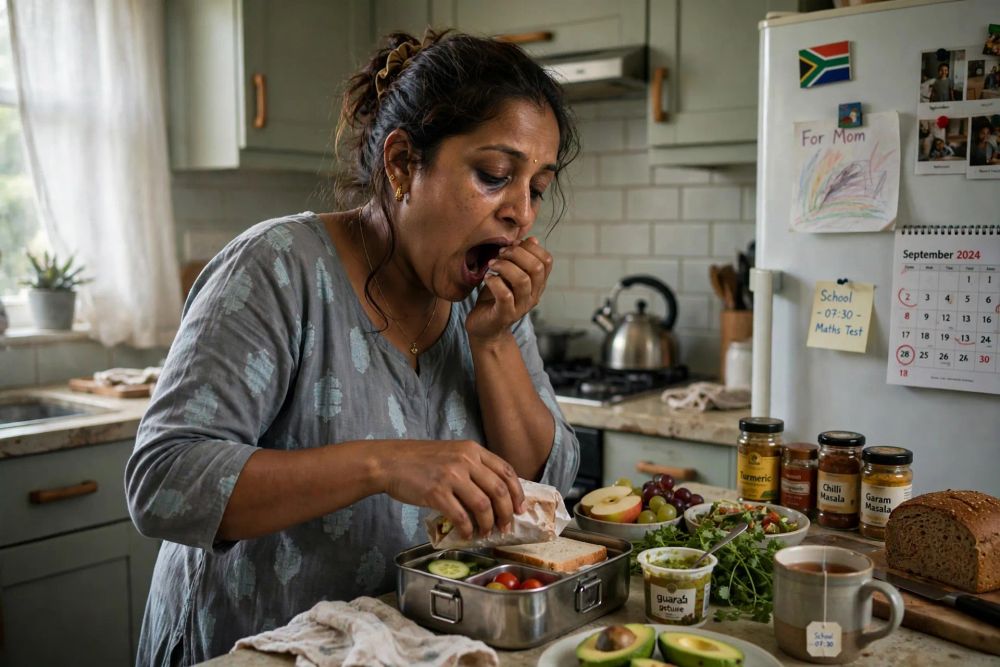
Statistics South Africa reported in September that time-use data show care activities, including caring for children, preparing meals and maintaining households, are performed predominantly by women. Then there is the work that is harder to see. Remembering appointments. Packing lunches. Checking homework. Answering teachers. Planning meals. Knowing which child has a test tomorrow, whose school shoes no longer fit and what still needs to be bought before payday.
This planning and remembering is sometimes described as the household “mental load”. Research into cognitive household labour has found that mothers can carry a disproportionate share of the planning, anticipating and organising involved in running a family.
And then someone asks: “Why are you so tired?”
From the outside, a home may have two parents. Inside it, responsibility may not be divided equally. The problem comes when one parent becomes the permanent default parent. If Mum must identify what needs doing, explain the task, remind someone, and later check whether it was completed, she has not really handed over responsibility.
We have also romanticised exhausted mothers.
We praise women for “doing it all”. We call them strong and admire the mother who keeps going regardless of how tired she becomes.
But calling someone strong should never become a reason to leave her carrying more than she can reasonably manage. A mother should be able to say, “I cannot cope today,” without having her love for her children questioned. Parenting should not be one person’s responsibility with occasional assistance from the other. Practical support means taking ownership rather than waiting for instructions. Instead of only saying, “Tell me if you need help,” sometimes the more useful response is to notice what needs doing and do it.
Preventing exhaustion cannot consist only of telling mothers to practice self-care. A bubble bath cannot compensate for an unequal household. Real support includes sharing responsibilities, allowing opportunities for meaningful rest, listening without judgment and taking significant changes in a mother’s mental state seriously. It is equally important to recognise when the problem has moved beyond ordinary exhaustion.
Postpartum psychosis is a rare but serious mental illness that can develop after childbirth and is regarded as a medical emergency. Symptoms can include hallucinations, delusions, severe confusion, agitation, unusually elevated or rapidly changing moods and behaviour that is markedly different from the person’s usual behaviour.
Someone experiencing postpartum psychosis may not recognise that she is ill, which means partners, relatives or friends may need to seek urgent medical assistance on her behalf. Seeking psychological or psychiatric help is not a failure of motherhood. Sometimes the loneliest mother in the room may be the woman lying next to her partner at night, mentally running through tomorrow’s lunches, bills, laundry, medication and appointments while everyone else sleeps.
Perhaps the answer is not to keep telling mothers how strong they are. Perhaps it is to make sure they do not always have to be. We should not wait for a crisis to start listening, and we certainly should not wait for tragedy to start helping.
Notice significant changes: Persistent sadness, severe anxiety, withdrawal, hopelessness, severe insomnia, confusion or behaviour that is dramatically out of character should not simply be dismissed as part of motherhood.
Listen without judgement: Avoid responses such as “every mother goes through this” or “you should be grateful”. Give her space to explain what she is experiencing.
Offer practical help: Cook a meal, wash dishes, run errands, take older children for a few hours or care for the baby while she rests.
Help create opportunities for sleep: Poor sleep is associated with poorer postpartum mental health, particularly depression. A severe or persistent inability to sleep can also occur as a symptom of postpartum psychosis and should be taken seriously when accompanied by other concerning changes.
Encourage professional help when needed: A GP, psychologist or psychiatrist can assess symptoms and advise on appropriate care. Thoughts of suicide or harming a child, hallucinations, delusions, severe confusion, paranoia or a marked loss of contact with reality require urgent professional assessment. Where there appears to be an immediate risk of harm, do not leave the person alone. Ensure the baby and other children are safe and seek emergency medical assistance.
- Baby Line: 082 069 9067: Phone and WhatsApp counselling and support for mothers who are in crisis or struggling to cope. BabyLine can also connect mothers with further support through its network.
- SADAG Suicide Crisis Helpline: 0800 567 567. A toll-free, 24-hour crisis helpline.
- ADAG/Cipla Mental Health WhatsApp: 076 882 2775. Available from 8am to 5pm.
Adeela Ismail is an emerging South African author. As a writer, she draws inspiration from everyday life and is particularly committed to raising awareness about mental health and the welfare of children. Through her work, she seeks to encourage understanding, compassion, and meaningful conversations around the emotional well-being of individuals and families, striving to leave a lasting impact.