
This was a defensive Budget, in every sense - The Independent
Want to bookmark your favourite articles and stories to read or reference later? Start your Independent Membership today.
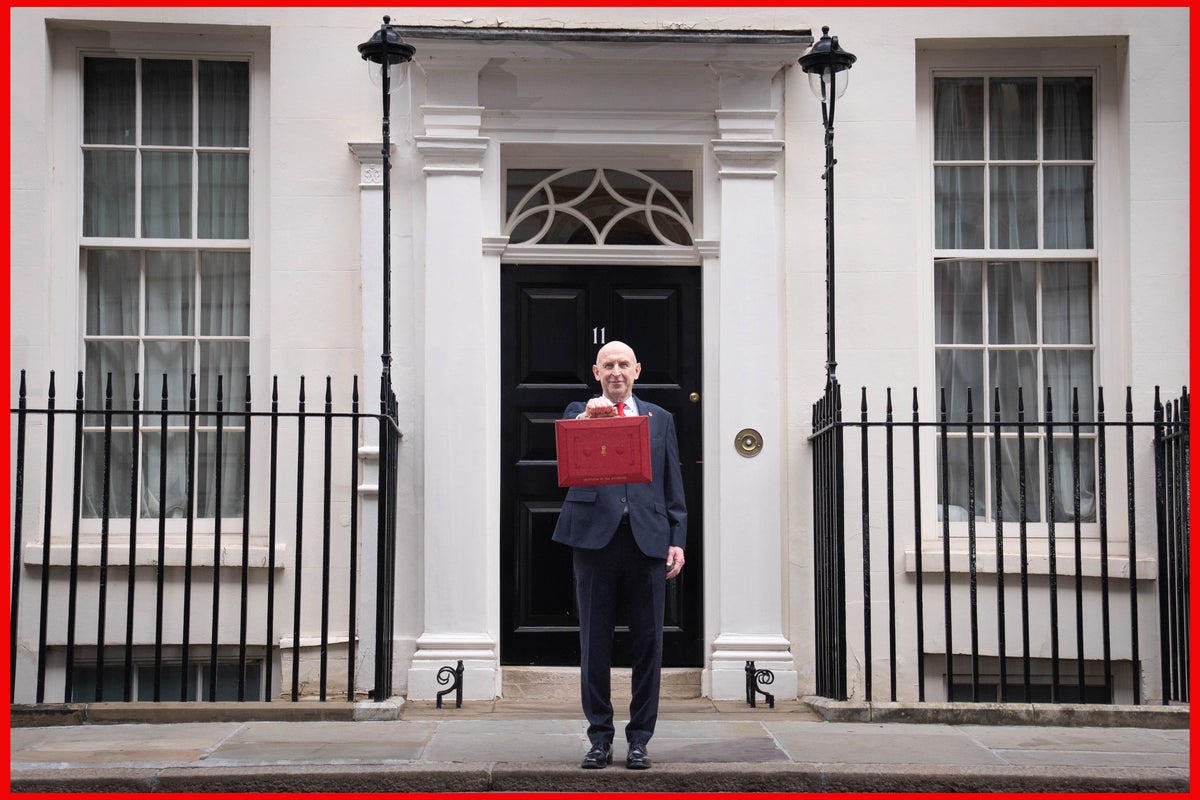
Breathing space for today… hope for the future” was the chancellor’s mantra for his first Budget statement. It captured perfectly the mix of relatively minor measures to alleviate the continuing cost of living crisis, as well as indicating a direction of travel for the Burnham government over the remaining term of this parliament and, so Labour hopes, beyond.
Yet the framing of John Healey’s package carries the unspoken assumption that, like all “breathing spaces”, the financial hardship being suffered by British households and businesses will be essentially short-lived – and that easier, happier times are just around the corner. This optimism may be misplaced.
Even on the official forecasts supplied by the Office for Budget Responsibility, such relief from economic pain may not, in fact, arrive for rather longer than the chancellor implies – years, rather than months. Indeed, the rest of the 2020s may feel very much like another instalment of austerity, something which the public has had to endure for rather too long.
The pattern of policies designed to provide a bridge to a more economically secure future was repeated many times by the chancellor, and it has been a favourite theme of the prime minister. Nothing much can be done about the global spike in costs triggered by the wars in Ukraine and Iran, is the suggestion – but UK tariffs on baked beans, garlic and gherkins can take the edge off the huge increase in grocery bills.
Pubs and clubs facing closure can be helped out with more relief from business rates, until the customers come back in numbers. Hard-pressed families will get improved paternity leave, but their wages won’t buy more, and their taxes will stay high. Carers will not lose all their allowances for earning £1 over the threshold, but they will also still struggle in a dysfunctional system. The National Care Service is but a soundbite.
The energy crisis is to be immediately eased with the already-announced cut in VAT on electricity bills, and the new subsidies for poorer households, with the abolition of green levies and unfair standing charges on gas bills also very welcome moves. But bills will still rocket soon.
The hope for the longer term is that the investment in cheaper green energy can be paid in part by opening up North Sea gas and oil production and structural reforms in the energy market. But when? Regulated bus fares will soon come down from £3 to £2 – worth some £40 a month for someone on the national minimum wage trying to get to work. Their pay is also going to go up. However, vacancies are falling.
The chancellor announced no less than 98 such measures, all very welcome, and covering everything from another scheme for first-time buyers and defence contracts, to ISAs and AI data centres. But the wider outlook for the economy remains grim, and the public finances remain in a precarious state.
Mr Healey has a wafer-thin buffer of “fiscal headroom”. Growth next year has been downgraded by the OBR to 1 per cent – barely perceptible, although it hits an anaemic “peak” of 1.8 per cent later. The national debt will peak at 97 per cent of GDP, inflation could head towards 5 per cent in 2027, as will the official Bank of England interest rate.
Household net disposable income by the time of the next general election in 2029 will be about 3 per cent higher than now in terms of real purchasing power. Britain is not set for a boom anytime soon.
So this was a defensive Budget, in every sense, and focused on the very short term. The chancellor’s plans, provisional though they are, offer some grounds for optimism that Britain’s defences can be rebuilt. But how and when the promised new munitions will be delivered remains far from clear.
Mr Healey also had to provide some timely defence against nervous international investors demanding ever higher interest rates in return for lending His Majesty’s Government the considerable funds required to keep the country going – some £134bn this year alone, for example.
On this score, the chancellor’s “steady as she goes”, “nothing to see here” policies, more or less a continuation of Rachel Reeves’ plans, have had the desired effect. Although the UK remains in a difficult position, and both public spending and borrowing have edged up on the numbers outlined by Ms Reeves last March, the markets reacted calmly to what he said. This is, of course, pending more decisive action and decisions on such major challenges as the spending review, welfare reform, social care and Britain’s future relationship with the EU, all of which remain very much in the balance.
Next year’s Budget will be the real measure of the government’s determination and its ability to fix the economy. If the wars end, energy and food costs subside, and with them inflation and mortgage bills, then hope and confidence may well return; but the hard choices will nonetheless remain because Britain’s debts will still be unsustainable.
Whatever happens, Mr Healey and Andy Burnham will have to get radical welfare and other reforms through the Commons, and carry their party, the public and the markets with them. If they don’t, then things will, frankly, begin to feel rather hopeless.


