Thousands Breathed Toxic Dust on 9/11—The Health Effects Are Still Emerging - Newsweek
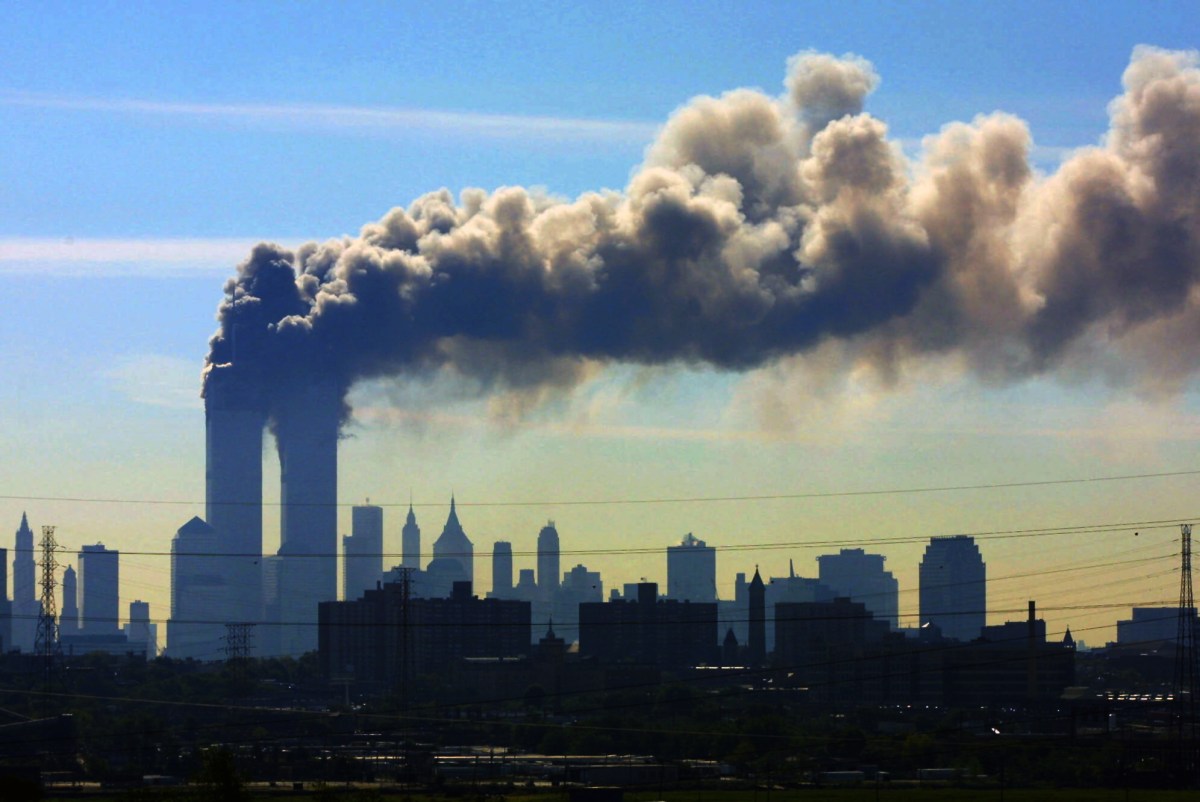
After the September 11, 2001, terrorist attacks 25 years ago, thousands are continuing to experience long-term health conditions that researchers believe could be tied to the environmental toxins they breathed in following the tragedy.
The health consequences of the massive toxic dust cloud that blanketed lower Manhattan continue to unfold and researchers from the U.S. Centers for Disease Control and Prevention (CDC) noted in a review that many individuals exposed to the pollution have gone on to develop multiple conditions, including cancer, respiratory disease, gastroesophageal reflux disease, and mental disorders.
Alejandro Azofeifa, a health scientist at the World Trade Center Health Program and lead author of the review, told Newsweek that as a result of these attacks, "thousands of persons at the crash sites and nearby areas were exposed to numerous environmental toxins and hazardous materials because of a massive outdoor cloud of dust and debris, indoor dust, and fumes from fires."
Azofeifa added that over 350 identified hazards may have been "present at the disaster areas and related sites designated in the James Zadroga 9/11 Health and Compensation Act (2010)."
The review was published in the journal JAMA on September 10.
They also said that a number of these health conditions can manifest years after exposure, "underscoring the importance of sustained clinical monitoring and research to address the evolving health needs of the 9/11 population."
According to recently published data from the World Trade Center Health Program, more than 9,400 people have died from 9/11-related illnesses. During the 9/11 attacks, a total of 2,977 people were killed, including passengers on the plane, civilians and first responders. This included 2,753 people in Manhattan, 184 people at the Pentagon and 40 passengers and crew members on United Airlines Flight 93, which crashed in a field in Shanksville, Pennsylvania.
Data from the WTC Health Program also revealed that about 57,000 cancer diagnoses have been certified.
The CDC team found that 25 years later, more than 155,000 responders and survivors enrolled in the WTC Health Program, which provides medical monitoring and treatment for 9/11-related health conditions at no out-of-pocket cost, as of June 2026.
Enrollment to the program had increased by a median of more than 6,500 members annually since 2012. Azofeifa also said that 67 percent of those enrolled "are certified for at least one WTC-related health condition."
The researchers said that individuals directly exposed to the attacks have a greater prevalence of chronic conditions and poorer health-related quality of life compared with the general population.
They also experience increased disability, more complex clinical management, and higher health care utilization and cost.
Azofeifa said that exposures to the hazards present at the sites of the attacks are "considered to aggravate, contribute to, or cause various short- and long-term health conditions covered by the WTC Health Program, such as acute traumatic injuries (like burns, sprains, and fractures); aerodigestive (airway and digestive) disorders (like asthma, GERD, chronic rhinosinusitis and sleep apnea); all cancers; mental and behavioral health conditions (like PTSD, depression, anxiety and substance use disorder); and musculoskeletal disorders (like carpal tunnel syndrome and low back pain)."
According to earlier CDC research, the dust cloud that formed after the towers collapsed contained a mixture of toxins known to be harmful to humans, including asbestos, lead, pulverized cement, glass fibers, benzene and others.
Much of the material remained at the site to form Ground Zero, a six-story pile of smoking rubble that burned intermittently for more than three months.
The International Agency for Research on Cancer has classified all forms of asbestos as carcinogenic to humans. Asbestos causes mesothelioma, which is a type of cancer that forms on the protective tissue that covers the lungs, and cancer of the lung, larynx and ovary.
Meanwhile, lead exposure can affect multiple body systems and was attributed to more than 3.5 million deaths globally in 2023, primarily due to cardiovascular effects, according to the World Health Organization.
Numerous studies have also linked particle matter exposure to a variety of health problems including lung and heart disease, asthma, respiratory issues and others, according to the U.S. Environmental Protection Agency, while prolonged exposure to volatile organic compounds in the air may lead to damage of various organs and potentially certain cancers.
Dr. Jacqueline Moline, a professor at the Feinstein Institutes for Medical Research, who was not involved in the study, told Newsweek that one of the issues with this combination of compounds is that the dust was "very alkaline," which meant that it could "penetrate deep into the tissues" of the body.
"So people were breathing this in and it was causing immediate reactions - some people had problems with their sinuses, their nose, their throat, and their lungs as a result of the irritation from the dust," she said.
That irritation led people to "develop sinus problems, having chronic irritation in their nose, having gastroesophageal reflux disease because of the mucus they were swallowing or because they'd breathed in the dust and it got into their esophagus and led to severe irritation."
For others, she said they may have developed asthma or ended up with lung scarring and added that some people even needed to have lung transplants as a result of the damage to their body. Over time, cancers began showing up among those known to have been exposed to the dust, particularly blood cancers, Moline said.
She added that the health impacts differed between those exposed depending on their body's own reaction, how much of the dust they breathed in, and what they breathed in.
The CDC researchers said the ongoing health effects seen among responders and survivors demonstrate why disaster response efforts should not end when immediate recovery is complete.
Instead, they suggest that long-term surveillance and coordinated care systems are essential for identifying emerging health problems and supporting affected populations over time.
Azofeifa said: "We need to stay vigilant. 9/11 showed that health effects from environmental disasters can take years to emerge, so early preventive action matters," and added that in the future, responders "should use personal protective equipment to reduce their exposures to toxic materials," while community members "should be instructed to avoid those toxic exposures."
Moline also said the long-term impact of the 9/11 attacks on public health has demonstrated that "medical surveillance is critical after large-scale incidents, to understand not only what the outcome of these disasters is, but to pick up signals to know what to look for and to be better able to respond going forward."
New York City officials launched a searchable online database on Tuesday containing about 170,000 pages of records from various city agencies that include air quality reports, health records and other materials related to the aftermath of the attacks.
Citing a lack of transparency around the attacks and their long-term health and environmental consequences, city officials said the portal is intended to give the public greater access to records related to the city's response.
Officials said they will add additional documents to the portal on a rolling basis in the coming months and noted that Mayor Zohran Mamdani's 2027 fiscal year budget includes $34 million to create and maintain the portal.
At a press conference on Tuesday, Mamdani said, "For too long, New Yorkers have had to fight for access to records that should have been available to them in the first place. This portal is part of our administration's enduring commitment to honor those we lost, care for those living with lasting health consequences and give thousands of New Yorkers the answer they've been asking for."
Comedian Jon Stewart, a longtime advocate for 9/11 first responders who were sickened by exposure to toxins at Ground Zero, joined Mamdani at the press conference on Tuesday, calling out officials over air quality concerns shortly after the 2001 attacks.
Democratic Representative Jerry Nadler, who represented his New York City district during the terrorist attacks, applauded the mayor's move, saying, "The release of City Hall’s files related to the aftermath of 9/11 is a long-overdue reckoning. My colleagues and I who represented Ground Zero and the surrounding communities immediately warned local and federal officials of the health risks posed by toxins in the air at the time. Our warnings were not heeded, and now we and the public know that City Hall, led by former Mayor Giuliani, predicted that thousands of responders and community members would face devastating long-term health impacts from these toxins."
An array of air quality reports, contamination records and correspondence between city staff show health officials were still finding evidence of asbestos at least 10 months after the attacks.
Officials had previously assured New Yorkers that the air in and around Ground Zero was safe to breathe.
The database also includes the Harding Memo, an internal document that was sent to then-Deputy Mayor Robert Harding in 2001 that discussed the city's potential liability for toxic-exposure claims shortly after 9/11, as well as records related to environmental testing, cleanup operations and the reopening of Lower Manhattan.
The portal also includes records released as part of a settlement ending two lawsuits filed by 9/11 Health Watch, bringing a years-long legal fight over access to the documents to a close.
Azofeifa, A et al. (2026) Twenty-Five Years After 9/11—Lessons From the World Trade Center Health Program. JAMA. doi: 10.1001/jama.2026.15259
Update 9/14/26, 2:46 a.m. ET: This article has been updated with comment from Alejandro Azofeifa.