TikTok says I have ‘ferritin face’ – is this a trend too far? - The Independent
Want to bookmark your favourite articles and stories to read or reference later? Start your Independent Membership today.
I’m on the hottest Gen Z health bandwagon after I diagnosed myself with “ferritin face”, the viral health trend that’s sweeping TikTok.
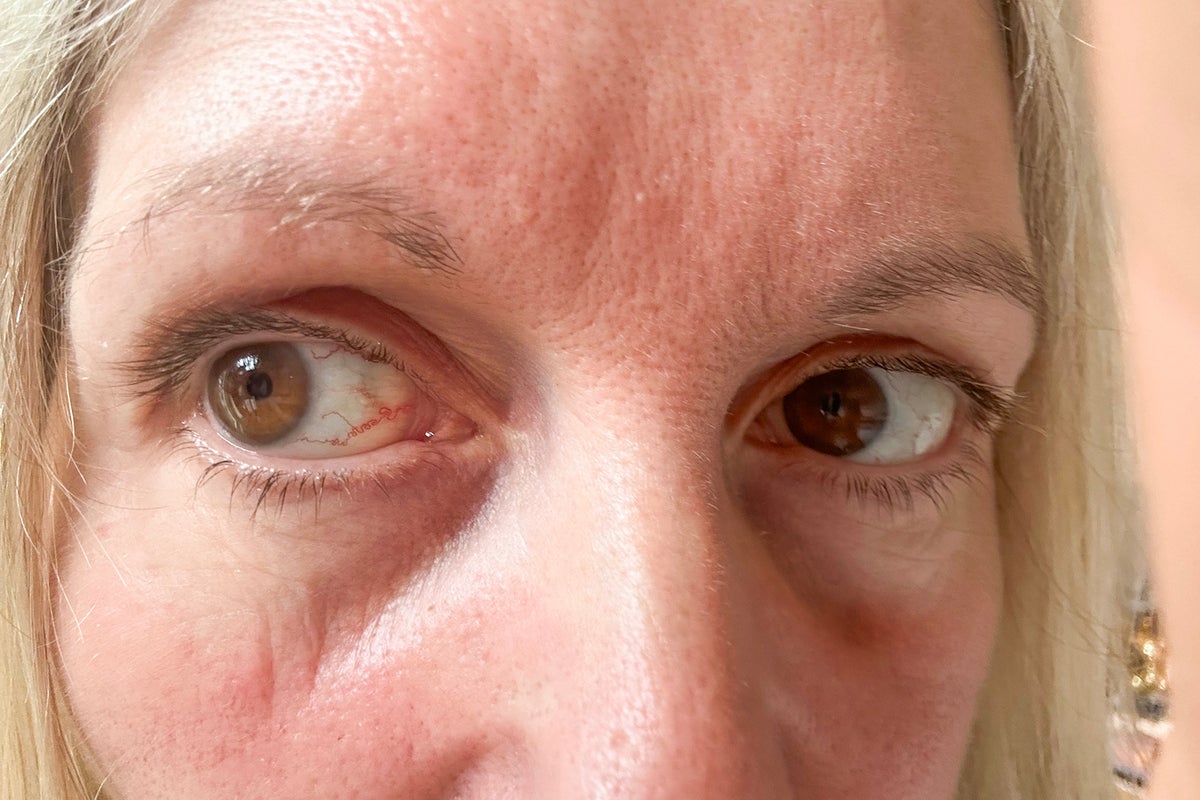
As I stare in the mirror, it’s those dark under-eye circles, a ghostlier-than-usual pallor and the shedding of hair that are the dead giveaways I have an iron deficiency.
In what might be an example of social contagion, creators and wellness influencers have started posting videos of their eye bags, claiming that a visibly changing facial appearance – including not just paler skin, but a greyish tint, as well as hair loss and brittle nails – are all signs of low ferritin, a blood protein that stores iron and is thus a good indicator of depleted iron levels.
It is thanks to one TikTok content creator, Aldina (@aldinaaza), that I am even thinking about having extra spinach for dinner.
Using hashtags like #lowferritin, #ferritinface and #irondeficiency, she recently sparked a viral conversation about how iron depletion can impact your appearance – because how you look is more important than its other side effects, namely a reduced ability for the blood to carry oxygen, which then starves the muscles, brain and tissues and lowers the body’s ability to produce energy – the one that became a frenzy about “ferritin face”.
Aldina’s videos documenting her personal “iron-deficiency journey” – complete with before-and-after photos of an iron infusion, in which she emerges looking as though she has enjoyed a century of beauty sleep and awakened with a flawless complexion – resonated with millions. But medical professionals warn that appearance alone is no basis for diagnosing what we used to call anaemia.
And yet Lucy M, a 32-year-old content creator who posts women’s hair loss and skin health advice on TikTok and Instagram under the handle @marvluceskin, has joined the fray, posting a clip declaring that “ferritin face is a real thing”. She reveals that she has suffered badly from low iron, but that she also fixed her “low ferritin hair” with a moisturising leave-in hair mask.
The phrase that’s hot right now on TikTok is “You're not ugly – your ferritin is low”.
But it’s only once you’ve scrolled through hundreds of “Do you have ferritin face?” videos and spot it in your own mirror that you realise, yes, you’ve got it – and the healing can begin.
Which is why I have put my whole family on iron supplements, and I believe you should, too.
My iron stores were wiped out by recently trying “protein-maxxing”, another social media health trend. I had been advised by a personal trainer to hit a daily 100g-protein target, which, as a vegetarian, meant a diet of eggs, Greek yoghurts and cottage cheese. No iron-rich leafy greens there.
From now on, I’m iron-maxxing. It doesn’t help that my two children, Lola, 10, and Liberty, eight, are also vegetarian, and iron is harder to absorb from plant-based sources than animal products.
So I’m using a daily 10mg iron spray, and improving my diet to include iron-rich foods like tofu, chickpeas and kidney beans. I’ve also ditched the kids’ standard vitamin gummies for an expensive premium liquid multi-vitamin that delivers the daily recommended allowance of iron plus essential B-complex and C vitamins.
Experts, however, are warning against social media “ferritin face” hype – and pseudo, self-diagnosing – advising that only a blood test can accurately diagnose an iron deficiency and that changing physical facial signs cannot.
For many, it’s just another social media buzzword to laugh at – like “cortisol face”, big in 2024, which linked a puffier face with stress levels, but turned out to be far more likely due to sleep, diet, sodium or alcohol (see also “wine face”).
As somebody who had mild “Ozempic face” – a term that trended online in 2023, and describes the hollow, saggy face after any rapid weight loss – I understand only too well the appeal of this ferritin fad.
According to the NHS, common symptoms of iron deficiency include tiredness and lack of energy, shortness of breath, heart palpitations, paler than usual skin and headaches – but these could also mean you’re simply busy at work and with a slight hangover. If you’re also craving non-food substances like ice, paper or soil (!), you could be looking at serious anaemia-related eating behaviour called pica.
Do not use the internet to self-diagnose any of these conditions – for that, you need to see a medical professional.
Social media health trends are a growing problem. If you’re insecure about how you look, what better way to feel better than to shift the blame onto an underlying medical issue or a weight-loss drug, rather than put it down to ageing, genetics or bad diet/lack of exercise?
Hashtag health trends can give Gen Z in particular a sense of agency and control over their bodies and their lives – especially when we’re in the midst of economic uncertainty, housing crises and a competitive jobs market.
They also create communities of people who can bond over shared symptoms – such as “Ferritin Face Friends”. Unlike the NHS, TikTok is open 24/7. There are no waiting lists, no hurried consultations, and no three-week struggle to secure a face-to-face appointment.
Of course, replacing doctors with influencers is a dangerous game. Social media is awash with medical misinformation, dubious diagnoses and contradictory advice, much of it delivered with the breezy confidence of someone who has never set foot in medical school.
But perhaps the appeal of “ferritin face” isn't really about iron deficiency at all. It’s about reassurance, recognition and the comforting discovery that you’re not alone. Suddenly, what felt like a personal failing becomes a shared experience, complete with its own hashtag and tribe.
Remember those dark circles under your eyes? Thousands of other people have them. You might be low on any number of vitamins – E, D, K, A or B12. They might even be your genetic inheritance.
But if only you’d go to bed earlier and sleep better, perhaps those bags under your eyes will disappear on their own.
At The Independent, our mission is to deliver unbiased, fact-based journalism. Journalism that's free from political allegiances and the influences of shareholders and commercial interests.
But we need your help. Your support enables us to uncover crucial stories that would otherwise have gone untold, hold power to account, and amplify voices often unheard.
Whether $5 or $50, every contribution counts. It fuels our reporting, invests in investigations, and maintains our independence.
It’s a reminder that our trusted, fact-based, free-thinking journalism remains available to everyone thanks to the generosity of our readers. To show your support and help us tell more of the stories that matter, please make a donation today.
Not ready to donate? Choose 'Maybe later' to start reading.