
Toyota develops new 1.5-litre hybrid powertrain, targets 15% better fuel economy
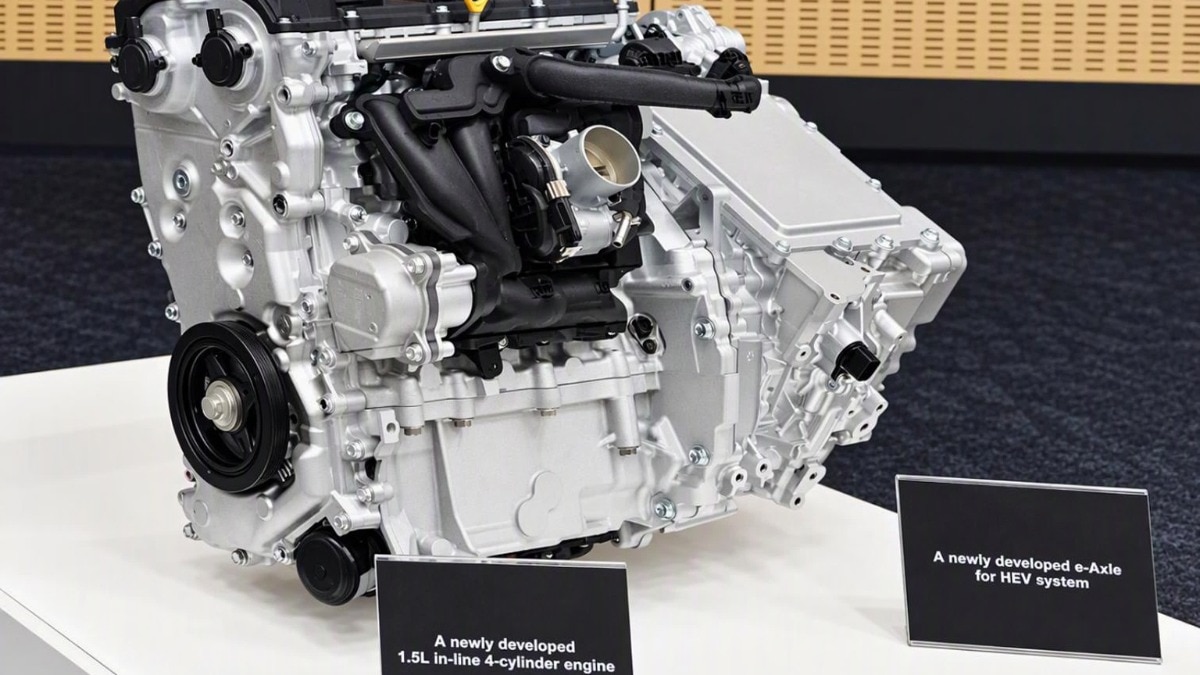
Toyota is developing an all-new 1.5-litre hybrid powertrain for its future vehicle platforms, targeting a fuel economy improvement of more than 15 per cent over existing systems. The new powertrain combines a family of four-cylinder petrol engines with compact electric motors and advanced power electronics, with naturally aspirated and turbocharged versions planned.
The new hybrid system has been designed from the ground up for electrification, rather than adapting an existing internal combustion engine. Toyota says the smaller, lighter package will allow hybrid and plug-in hybrid powertrains to be integrated into vehicle platforms originally designed for battery electric vehicles (BEVs), without compromising cabin space, vehicle proportions or capability.
The naturally aspirated 1.5-litre engine is being developed to cover the performance range currently served by Toyota's 1.8-litre engine and its existing 1.5-litre three-cylinder unit. The turbocharged version will expand the engine family's potential applications.
Toyota is targeting more than 15 per cent better fuel economy through a combination of reduced mechanical friction, improved thermal management, lower electrical losses and reduced aerodynamic drag. The system will also use lighter, more compact electric motors and power control units, alongside Toyota-developed silicon carbide (SiC) power electronics, to improve overall efficiency.
The new powertrain forms part of Toyota's broader multi-pathway strategy, which aims to offer different electrified technologies according to regional energy conditions, infrastructure and customer preferences.
Under the planned architecture, battery electric vehicles, plug-in hybrids and conventional hybrids will share a common vehicle platform. Toyota says this approach will allow the company to spread development and manufacturing investments across a wider range of vehicles, creating economies of scale without compromising the performance or capabilities of individual powertrain variants.
The more compact hybrid package is also expected to give designers greater flexibility. Its lower profile could enable lower bonnet heights and more dynamic vehicle proportions, while allowing hybrid and plug-in hybrid versions to retain the packaging advantages of platforms developed for electric vehicles.
Toyota further intends to use the common architecture to make manufacturing more flexible, allowing production facilities to adjust the mix of BEVs, plug-in hybrids and hybrids in response to changing customer demand.Toyota continues to back multiple routes to carbon neutrality
Toyota considers highly efficient hybrid technology an important part of its transition towards carbon neutrality, alongside battery electric and fuel-cell electric vehicles. The company is also developing the new engine and hybrid system for compatibility with renewable and carbon-neutral fuels.
Toyota plans to expand external sales of its new engine and hybrid technologies in the coming years. However, the company has not disclosed a production timeline, the first models expected to use the system, or detailed performance and output figures.
The development signals Toyota's continued focus on improving the efficiency of combustion-based powertrains while expanding its electrified vehicle portfolio, with a common platform intended to accommodate different technologies as market requirements evolve.


