Tragic COP31 climate talks collapse: ‘No deal’ better than ‘bad deal’ | Hindustan Times
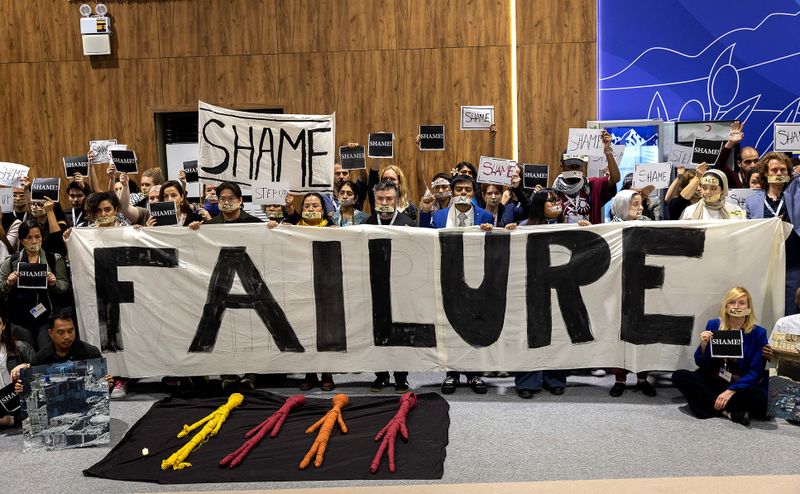
The 31st COP, which collapsed late on Sunday in Antalya, was the first international climate meeting of the “overshoot era” — when global average temperatures will breach the Paris Agreement threshold of 1.5 degrees C above pre-industrial levels. It concluded with several objections to — and serious dilutions of — obligations relating to mitigation, climate finance, and a transition away from fossil fuels.
This summit was meant to be the COP of implementation, delivering a pathway away from fossil fuels, finance that reaches those facing the worst climate impacts, and a fair and just transition for developing nations. But the proposed final text, which was not adopted, was “pale and muted”. (AP)moreThe failure to secure consensus exposes the realities of a fragile world, bereft of cash to fund ambitious climate action. COP31 revealed fundamental contradictions regarding principles of equity and social contract in the engagement between developed and emerging economies — principles that lie at the heart of the COP process.
Expectations for COP31 were never that high, given the ongoing conflicts, trade wars, and tensions between major powers. The world’s poorest urgently need more economic support to build resilience and mitigate emissions. The world’s richest are facing a rise in populist politics and tightening fiscal budgets. In a nutshell, a terrible mismatch set up COP31 for paltry delivery.
This summit was meant to be the COP of implementation, delivering a pathway away from fossil fuels, finance that reaches those facing the worst climate impacts, and a fair and just transition for developing nations. But the proposed final text, which was not adopted, was “pale and muted”, with no mention of fossil fuels and no figure for finance, exposing a striking divide between two sets of political interests, neither willing to concede on the issues central to a meaningful climate outcome.
Major fossil fuel producing countries resisted stronger language on transitioning away from fossil fuels, while developed economies refused to endorse a decision that omitted fossil fuels. The latter also didn’t allow any discussion on finance, calling the demand for funding “dead in the water”.
The proposed final text included gigaton-scale goals for carbon capture, utilisation and storage (CCUS) through conventional and non-conventional means, which the UNEP believes could gravely affect food security and biodiversity across the world.
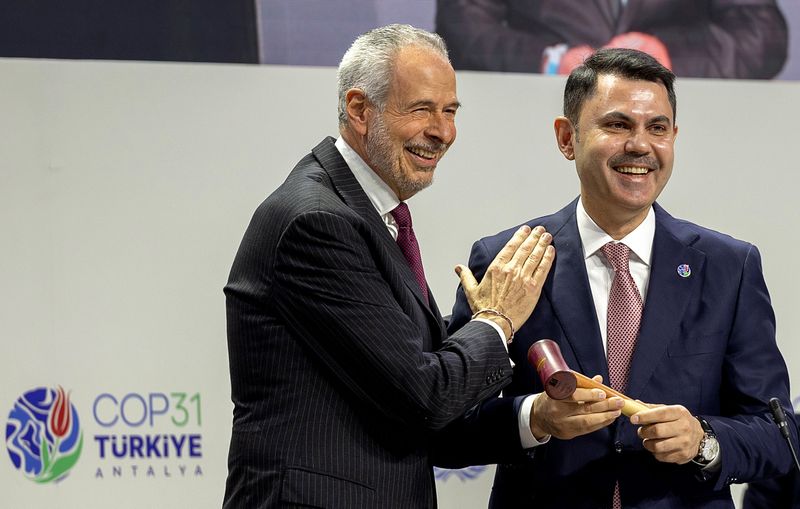
On procedure, COP31 was overtaken by the Turkish and Australian co-presidencies negotiating a cover decision at the cost of sidelining important items from the formal agenda such as tripling adaptation finance, working on a mechanism for just transition, and talking about implementation (both on efforts countries have taken and the means of implementation, that is, finance, made available so far).
There will be tough, but necessary questions on the opportunity cost of negotiating a cover decision that was eventually rejected by most parties in a way that appeared to open up decisions arrived at through consensus to renegotiation.
The so-called G3 meeting in China’s Shenzhen agreed to increase production and supply of refined petroleum products. COP31 received a clear signal, revealing how geopolitics of the day, security, and strategic influence is intricately enmeshed with climate talks.
The inability to reach a consensus reflects unresolved disagreements over climate security, equity, historical responsibility, and the distribution of the cost of action. The divergence in views of major blocs — developed countries, oil-producing nations, emerging economies, and vulnerable and least developed nations — is in stark contrast to the fast-shrinking carbon budget available to the world.
That said, no deal is better than a bad deal, and talks collapsing doesn’t mean that the process itself is irrelevant. COPs are the only multilateral platform where climate security will be discussed, pressure put, and accountability demanded. In that regard, it is still a hope for millions living not just in the Global South but in the vulnerable and exposed regions elsewhere on the planet. Despite the outcome, the last two weeks saw several announcements on electrification, green trade, wind, solar and batteries.
With the El Niño effect potentially extending into early 2027, the risks of extreme heat, floods, and droughts could rise. Nepal’s recent devastation underscores the vulnerability of mountain ecosystems, communities and critical infrastructure — something India too has witnessed in its Himalayan reaches. They demonstrate that delays at forums such as COP carry enormous human and economic costs. The global economy is changing fast with new plans for disaster resilience, microtransitions happening towards renewables every day, and clean electrification taking over the world. It’s only the politics that is slowing it down. COP31 exposed the limits of global political will.
Aarti Khosla is founder and director, Climate Trends. The views expressed are personal