Tribal students to launch 180-km march to Mumbai on September 28 over poor residential school facilities

You don’t have any Active Subscription.
Account subscription benefits alongside Premium Stories, Editorials, Opinions and more. Unlock these with Subscription
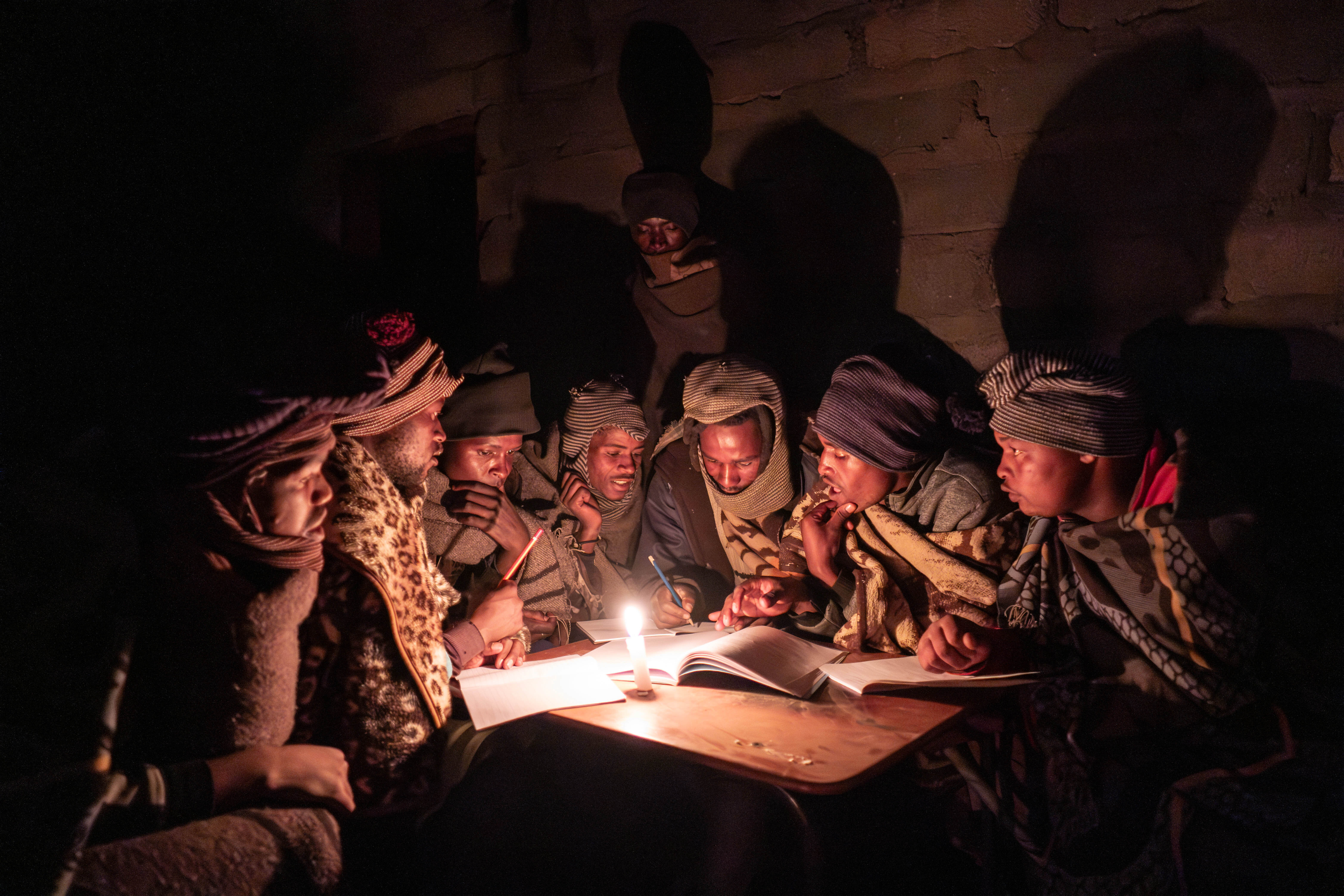
Tribal students at the sit-in at Nashik’s Idgah Maidan. The protest has been going on for the past 40 days.
Hundreds of tribal students in Maharashtra will embark on a nearly 180-km march from Nashik to Mumbai on Monday (September 28, 2026), pressing the government to address their demands for better facilities, safety and accountability in government-run residential schools.
Spearheaded by the Sakal Adivasi Vidyarthi Andolan Kruti Samiti, the long march comes 40 days after a sit-in at Nashik’s Idgah Maidan. The protest continues, with a small slate declaring the day of the protest hanging from the ceiling of a temporary pandal. Posters of Birsa Munda, Bhagat Singh and Dr. Babasaheb Ambedkar surround the protesters as they take turns to sit on strike.
Among the key demands of the protestors are the resignation of Maharashtra Tribal Development Minister Ashok Uike, the transfer of the Tribal Development Department’s Secretary and Commissioner, basic facilities in tribal schools and hostels, an independent inquiry into tribal students’ deaths at residential schools and financial assistance for victims. They have also sought effective implementation of the National Commission for Protection of Child Rights (NCPCR) guidelines regarding Ashram schools and residential educational institutions in Maharashtra, and recruitment based on these guidelines. The students have sought a direct meeting with the Chief Minister.
A memorandum submitted earlier to the government also calls for broader policy changes to uphold the constitutional rights of tribal communities. “Strict legal action should be taken against educational institutions that charge donations, additional fees, or any unauthorised amounts from students,” the memorandum stated.
“Last month, the government held discussions with protesters from Pune and Nagpur. Tribals from Nashik did not join them. The government gave them false promises. We are in touch with tribals from Nashik, Khandesh, North Maharashtra, Marathwada, and Vidarbha. We expect around 1,500 students to join us on the first day of the protest march,” tribal leader Rahul Pawra told The Hindu.
“Though the government claims that tribal students are given free education, our students are asked to pay up to ₹1 Lakh or so for admission, donation and other expenses. How will we pay that kind of money? Why is this happening? This should stop,” said Jyoti Gavit, 24, who works as a nurse at a private hospital in Surgana. Her young nephew participated in the protest in Nashik.
Protesters also raised concerns over the food provided by central kitchens to tribal schools. “We don’t want central kitchens at all. Stale, expired food is fed to our tribal children. The breakfast is cooked at midnight and then transported to schools nearly 100 km away. It is served to children at 8 am. Except in winters, this arrangement is not suitable as it leads to food going bad,” said Lakshmi, 25, a B.A. second-year student at a Nashik college.
The government has said that the central kitchens deliver food to residential tribal schools within a 50-km radius. It has appointed a committee to look into the issue, which is expected to submit its report in three months. A call would be taken thereafter, the government told the students last month.
“What is the need for a committee? We don’t want central kitchens at all. There is no labelling on the raw materials used in these kitchens. There is no mention of expiry. Where is the quality control? The government wants to show everything on paper. But nothing exists on the ground. On paper, the rice distributed to our schools is Basmati rice. But one should look at the quality of rice served in the schools,” said Vikram Gavhane from Jawhar, who works as a warden in a tribal school.
On September 25, the Tribal Development Department held a meeting with the student leaders and issued a seven-page letter detailing the demands it had accepted and the reasons for not accepting others. Giving information on the 27 demands put forth by the students, the government said it had issued work orders and tenders for demands like providing hot water in bathrooms for tribal residential schools and hostels.
The government has so far held several rounds of talks with the students, giving them written assurances and noting that a few of the demands relate to policy decisions which will have to be taken up at the highest level.
Comments have to be in English, and in full sentences. They cannot be abusive or personal. Please abide by our community guidelines for posting your comments.
We have migrated to a new commenting platform. If you are already a registered user of The Hindu and logged in, you may continue to engage with our articles. If you do not have an account please register and login to post comments. Users can access their older comments by logging into their accounts on Vuukle.