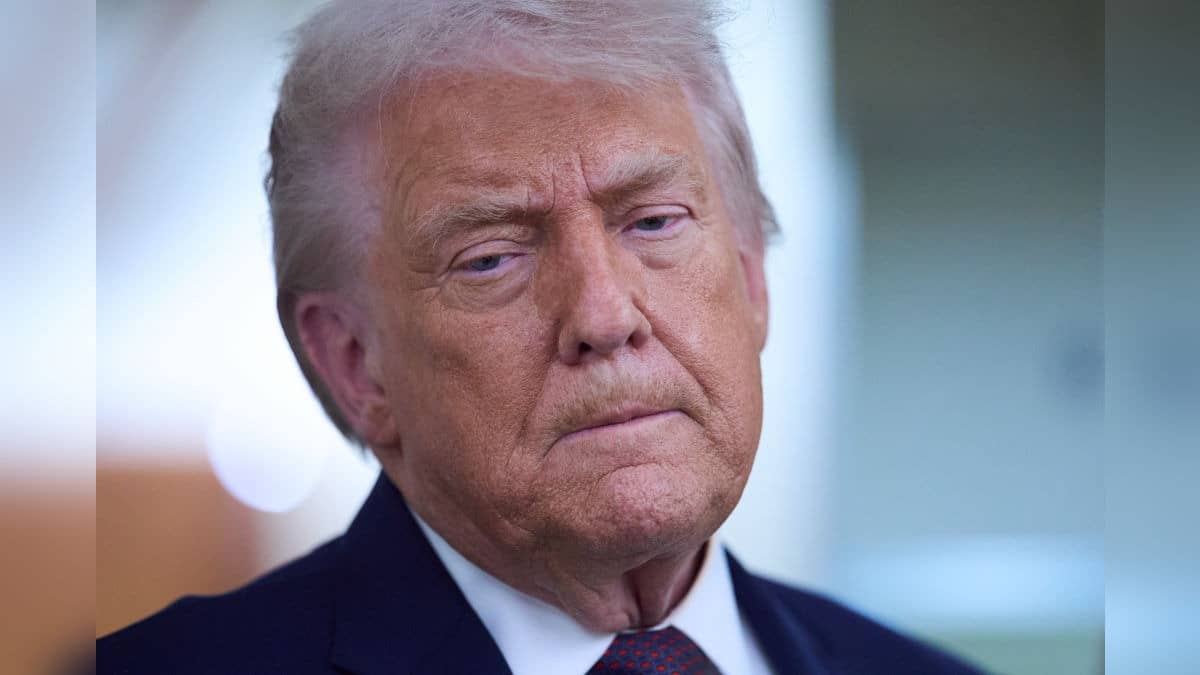
Trump, Denmark strike Greenland military deal after years of tensions
Donald Trump’s interest in Greenland, a semiautonomous territory of Denmark, first became public in 2019 and went on to trigger a prolonged dispute between Washington, Copenhagen and Greenland’s leaders, while also drawing in other European allies. The issue moved from a proposal to buy Greenland to repeated statements from Trump backing US control, warnings about the possible use of military force, and threats of tariffs against European countries.
The latest turn came on September 18, 2026, when Trump announced a deal to bolster the US military presence in Greenland. Danish officials reacted with cautious optimism, while Danish Prime Minister Mette Frederiksen said the planned agreement recognised Denmark’s sovereignty and the Greenlandic people’s right to self-determination.
The dispute first surfaced in August 2019 during Trump’s first term, when he expressed interest in buying Greenland but said it was “not No. 1 on the burner”. Frederiksen rejected the idea as “an absurd discussion”, after which Trump said he had cancelled a trip to Denmark because she had made a “nasty” statement. The issue returned on December 22, 2024, weeks before Trump’s second term began, when he declared that “the ownership and control of Greenland is an absolute necessity”. Greenland’s then prime minister, Mute Bourup Egede, replied: “we are not for sale and will never be for sale.”
Tensions rose further on January 7, 2025, when Donald Trump Jr. visited Greenland and the president-elect said he would not rule out using military force to take control of the island. On March 11, Greenlanders elected a new parliament in a vote won by Jens-Frederik Nielsen’s Demokraatit party, and soon after all five parties in the legislature rejected Trump’s remarks about the US taking control. On March 27, four of the five parties agreed to form a coalition government with Nielsen as prime minister. A day later, Vice President JD Vance visited the US Pituffik Space Base in northwestern Greenland and accused Denmark of underinvesting in the island’s security. On March 29, Denmark’s foreign minister rebuked the US over the tone of its criticism, while Trump said he never took “military force off the table”.
On August 27, 2025, Denmark’s Foreign Ministry summoned the top US diplomat in Copenhagen after a Danish broadcaster reported that at least three people linked to Trump had carried out covert influence operations in Greenland. On December 21, Trump announced that Louisiana Governor Jeff Landry would be the US special envoy to Greenland, and Landry said it was an honour to serve “to make Greenland a part of the US”. The next day, the leaders of Denmark and Greenland insisted that the US would not take over Greenland, and Denmark’s foreign minister said he was summoning the US ambassador.
The row intensified again in January 2026. On January 4, talk of a US takeover flared after the US ousted Nicolas Maduro as president of Venezuela. The next day, Frederiksen said an American military takeover of Greenland would amount to the end of NATO. On January 6, major European leaders joined her in a statement defending Greenland’s sovereignty, while the White House said that “utilising the US military is always an option” for Trump. On January 8, Trump said in an interview that he had to possess the entirety of Greenland rather than rely only on a long-standing treaty that already gave the US wide latitude to use Greenland for military posts. On January 13, Nielsen said Greenland would choose Denmark “if we have to choose between the United States and Denmark here and now.”
On January 14, the Danish and Greenlandic foreign ministers met in Washington with Vance and Secretary of State Marco Rubio. They agreed to set up a working group, but Denmark and the White House then offered sharply different public explanations of its purpose. Denmark also announced plans to strengthen its military presence in the Arctic, and several European allies said they were sending small numbers of troops to Greenland for reconnaissance on Arctic security. Danish media later reported that Copenhagen had prepared for a real conflict, including the deployment of explosives and blood supplies.
Trump then turned to economic pressure. On January 16, he said he might punish countries with tariffs if they did not support US control of Greenland. On January 17, he said he would impose a 10 per cent import tax from February on goods from eight European nations because of their opposition to US control of Greenland. On January 19, an exchange of texts with the Norwegian prime minister showed Trump linking his position on Greenland to not winning the Nobel Peace Prize and saying that he no longer felt “an obligation to think purely of Peace”. But on January 21, hours after saying he wanted Greenland “including right, title and ownership,” Trump withdrew the threatened tariffs and said he had agreed with NATO Secretary-General Mark Rutte on a “framework of a future deal” on Arctic security. Technical talks between the US, Denmark and Greenland on such a deal began on January 28.
On February 21, 2026, Trump said he would send a hospital ship to Greenland, alleging that many people there were sick and not receiving care. His post came after Denmark’s military said its forces had evacuated a crew member of a US submarine off Greenland for urgent medical treatment. Nielsen rejected the offer, saying “no thank you”. Ahead of a NATO summit on July 7, Trump renewed the pressure, saying Greenland “should be controlled by the United States, not by Denmark”. Frederiksen repeated that Greenland was “not for sale” and said Denmark was “ready to defend every inch of NATO including our own territory” in the event of an attack.
Overall, the dispute developed from Trump’s 2019 proposal to buy Greenland into a broader confrontation involving military threats, tariff warnings, diplomacy and Arctic security talks. It ended, for now, with a deal to expand the US military presence in Greenland, even as Denmark and Greenland continued to insist on sovereignty and self-determination.